
Cracks at the corners of the mouth usually come from saliva pooling there, combined with yeast or bacteria. In older adults, missing teeth or worn dentures that reduce face height are a common cause that is often overlooked.
- Cracked mouth corners usually come from saliva pooling with yeast or bacteria.
- Missing teeth or worn dentures fold the corners into a crease, a common cause in older adults.
- Avoid licking lips, remove dentures at night and eat a balanced diet to reduce recurrence.
- Cracks lasting over two weeks or recurring often need a check-up.
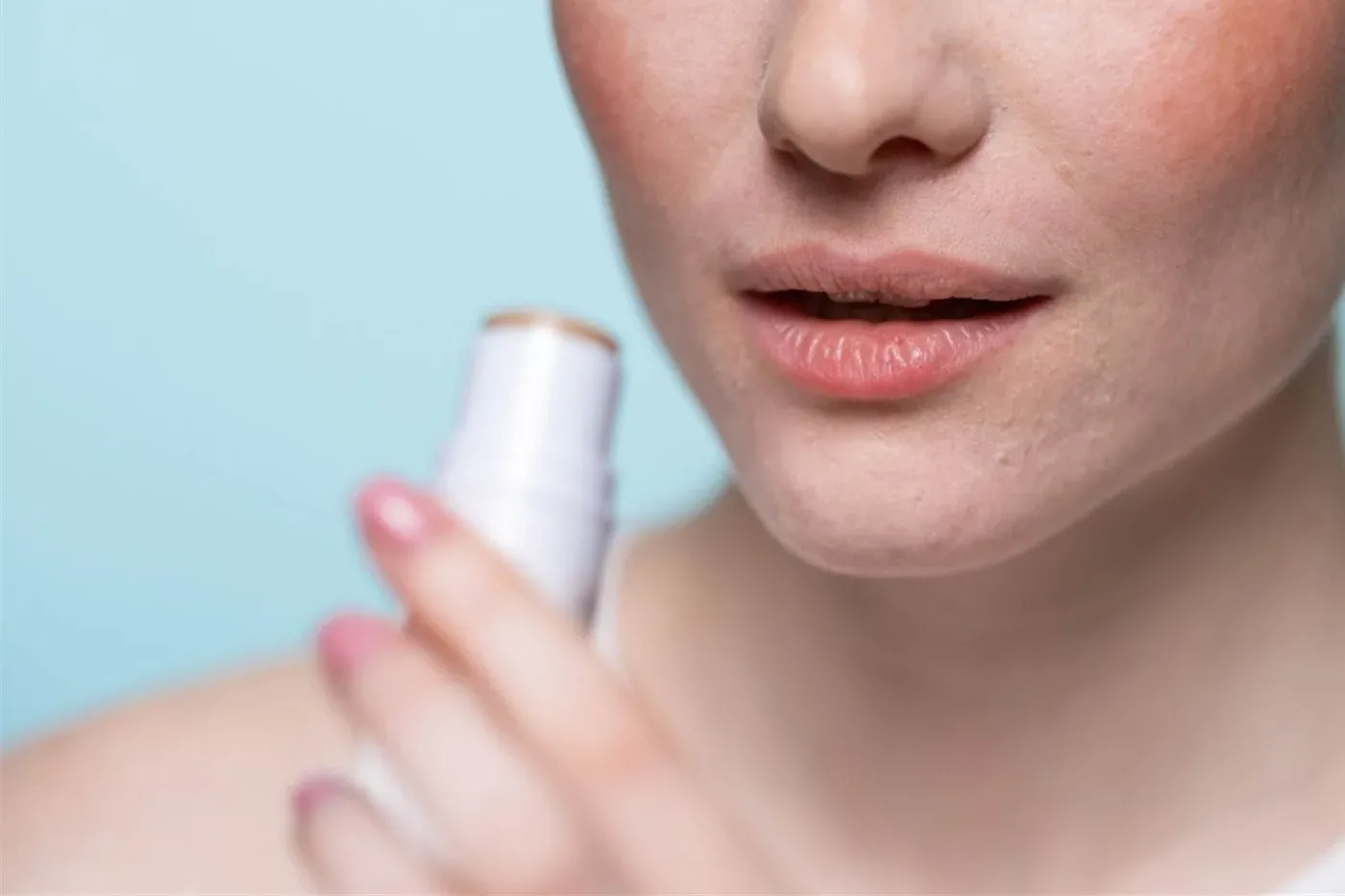
Cracked, red, sore or crusted corners of the mouth that hurt when you open wide are known medically as angular cheilitis. Many people use lip balm for a few days, feel better and then it comes back. When this keeps happening, especially in older adults, it is worth thinking about the teeth and dentures.
What do cracked mouth corners look like?
- Red cracks on one or both corners of the mouth, which may be moist or crusted.
- Stinging when opening wide or eating spicy, sour or salty food.
- The skin around the corners may turn white and soggy or split into deep grooves.
Common causes
- Saliva pooling at the corners: frequent lip licking, drooling during sleep and dry weather make the skin wet and then dry, so it cracks easily.
- Yeast and bacteria: moist skin is a place where yeast and bacteria grow, so the cracks heal slowly.
- Missing teeth or worn dentures: when many back teeth are lost or dentures are worn down, the jaws close further, the corners of the mouth fold into a crease and stay wet with saliva. This is very common in older people.
- Denture-related thrush: wearing dentures day and night without thorough cleaning can lead to yeast under the denture that spreads to the corners. See oral thrush in denture wearers.
- Low nutrients: a lack of iron or B vitamins can make the corners crack more easily.
- Underlying conditions: diabetes or a weakened immune system make cracks recur and heal slowly.
Cracked corners are different from cold sores caused by herpes, which are clusters of small blisters on the lip edge. See cold sores on the lips.
Care at home
- Do not lick your lips or pick at crusts.
- Keep the corners clean, pat them dry after eating and apply a thin layer of plain petroleum jelly or unscented lip balm to protect them.
- Take dentures out at night and brush and soak them every day.
- Eat enough vegetables, meat, eggs and beans for iron and vitamins.
- Avoid using creams for long periods without knowing the cause.
When should you get checked?
- Cracks that have not healed after two weeks or keep coming back.
- You have worn dentures for many years, the denture is loose or your face looks sunken with the chin pushed forward.
- White patches in the mouth, a sore red tongue, tiredness or pale skin as well.
A dentist will check your bite and how worn your dentures are, and may reline the denture or make a new one to restore face height. See loose dentures. If low nutrients or an underlying condition are suspected, a medical or skin check may also be needed.
Nha Khoa Ky Hoa is at 266A - 268, 3 Thang 2 Street, Hoa Hung Ward, Ho Chi Minh City. Hotline 028.3868.1097, Zalo 082.299.3377.
Frequently asked questions
Are cracked mouth corners contagious?
Ordinary cracked corners are rarely contagious. Still, avoid sharing towels or lip products, especially when the cracks are moist or weeping.
Why do older denture wearers often get cracked corners?
Worn dentures let the jaws close too far, so the corners fold and stay moist, and yeast under the denture adds to the problem.
Is lip balm enough?
Lip balm protects the skin but does not fix causes such as worn dentures or yeast. If it keeps coming back, get a check-up.