
Many people put off scaling because they worry it will grind away their enamel. Let us look at what actually happens.
- Scaling carried out with correct technique does not wear down enamel, because the ultrasonic tip vibrates the external tartar deposit loose rather than grinding into the tooth.
- Tartar is hardened plaque sitting on the outside of the tooth surface rather than part of the tooth, so removing it simply restores the surface that was always there.
- The sensitivity felt afterwards usually comes from inflamed gums or exposed tooth necks, not from lost enamel, and generally eases over a few days.
- Dentists commonly advise a check-up and scaling around every six months, but the right interval should be decided after an in-person examination.
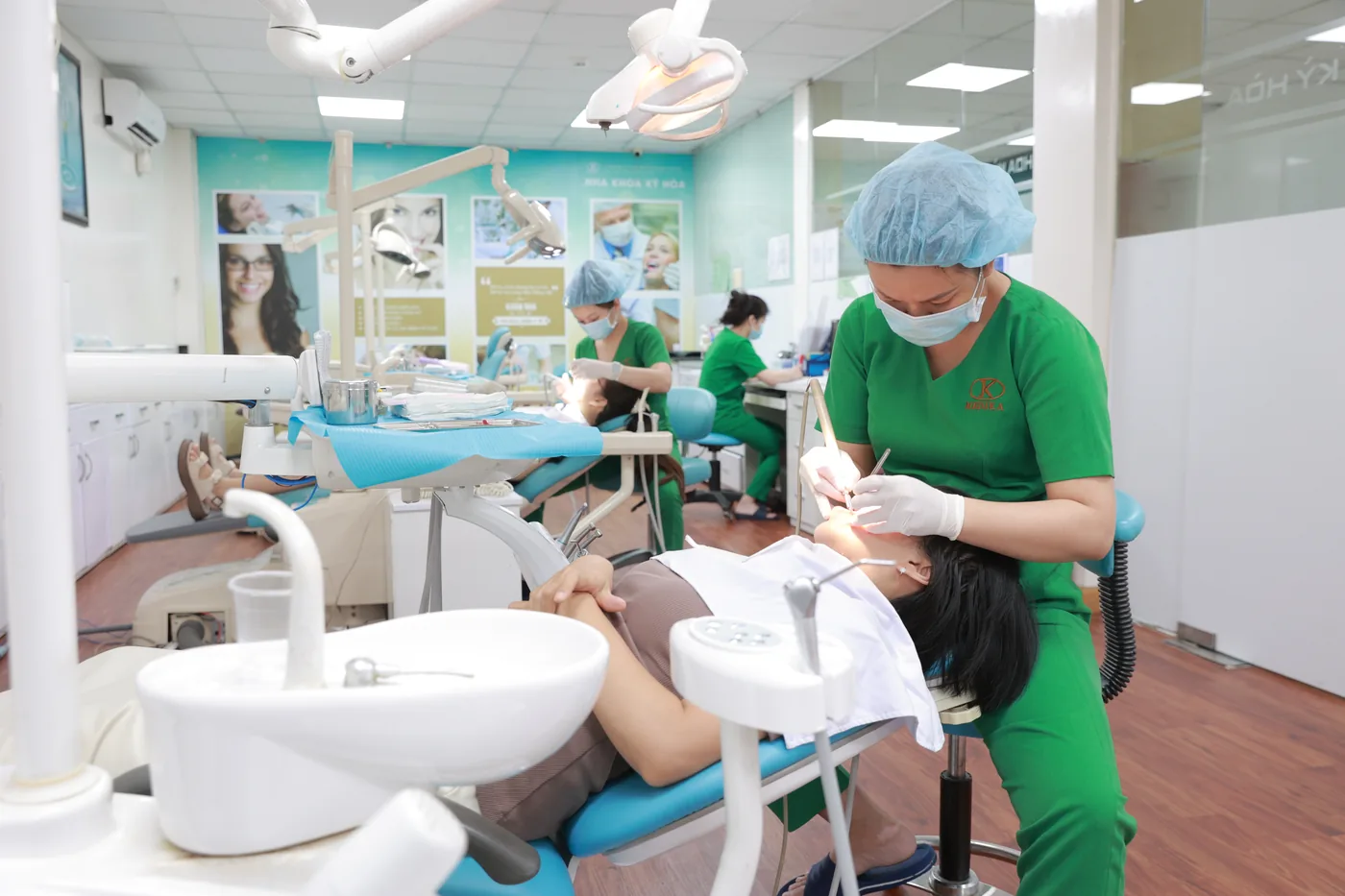
At the clinic, patients often ask a very honest question: does having scaling done again and again thin the teeth or wear away the enamel? The worry makes sense, because teeth often feel a little sensitive afterwards and it is easy to assume enamel has been removed. But that is not what scaling actually does. This article sets it out clearly so you can look after your teeth with more confidence.
What is tartar, and why does it need removing?
Tartar is food debris and bacterial plaque that has hardened over time and bonded firmly to the neck of the tooth and the gum margin. Ordinary brushing cannot remove this layer. Left in place, tartar shelters bacteria, causing bad breath, bleeding gums, gingivitis and, in more advanced cases, periodontitis with gum recession and loose teeth.
In other words, tartar is a deposit sitting on the outside of the tooth surface; it is not part of the tooth. Scaling removes that deposit and restores the clean tooth surface that was always underneath.
Does scaling grind into the enamel?
This is the crux of it. Dentistry today mainly uses ultrasonic scalers. The tip vibrates at high frequency, and that vibration breaks the tartar deposit away from the tooth surface; it does not grind or cut into the enamel. The ultrasonic tip is designed to break up hardened tartar, and enamel, the hardest tissue in the body, is not worn away during the process when correct technique is used.
The sensitivity many people notice afterwards usually comes not from lost enamel but from other causes:
- Inflamed gums: when gums are swollen, soft and bleed easily, the tip touching that area feels more uncomfortable than usual.
- Exposed tooth necks: where gums have receded, the exposed neck of the root is already sensitive. Once the covering layer of tartar is removed, the tooth meets water and air directly, which registers as sensitivity.
- Long-standing tartar: when deposits are thick and extend below the gum, scaling takes longer and the sensation is more noticeable.
This sensitivity is usually fleeting and eases over a few days. How strong it feels varies with the state of your gums and your own body. If you keep your mouth clean and have scaling regularly as prescribed, the deposits stay thin and each subsequent appointment is much gentler.
When should you have scaling, and how often?
Dentists generally advise a check-up and scaling around every six months. That figure is only a reference point, though. People who smoke, who drink a lot of tea and coffee, whose gums inflame easily, or who are under treatment for periodontal disease may need it sooner; those with clean teeth and little build-up may go longer. The right interval should be decided by a dentist after examining you in person.
A few signs suggest coming in sooner: gums bleeding when you brush, bad breath, yellow-brown deposits visible at the neck of the tooth, or a rough feeling along the gum margin.
Scaling at Ky Hoa Dental
At Ky Hoa Dental, the dentist examines you and explains your particular situation first, sets out clearly what needs doing, and only then begins, so you can plan for the cost. If you would like to know more about the fee, see our dental scaling service and our article on how much dental scaling costs.
One thing many people do not realise: when scaling is prescribed as treatment for gingivitis or periodontitis, the cost may be settled through your health insurance (BHYT) card. For details, read whether dental scaling is covered by health insurance. Because Ky Hoa Dental sits within Ky Hoa Medical Center, patients with underlying conditions can also have a joint consultation with an internal medicine doctor on the spot, which is one more reason to feel at ease.
In short, scaling carried out correctly does not wear down enamel. It is a routine part of looking after your mouth. If you are unsure, or your gums are showing signs of trouble, come in to Ky Hoa and let the dentist examine you and advise.
Frequently asked questions
Does dental scaling wear down tooth enamel?
No. The ultrasonic tip breaks the tartar deposit away from the outside of the tooth; it does not grind or cut into the enamel. Enamel is the hardest tissue in the body and is not worn away when scaling is carried out with correct technique.
Why do my teeth feel sensitive after scaling?
That sensitivity usually comes from inflamed gums or exposed tooth necks, not from lost enamel. Once the covering layer of tartar is removed, the tooth meets its surroundings directly and registers as sensitive. It generally eases over a few days, though how strong it feels varies from person to person.
How often should I have scaling?
As a reference point, around every six months, but the right interval depends on the state of your teeth and gums and should be decided by a dentist after examining you. People who smoke, drink a lot of tea and coffee, or whose gums inflame easily may need it sooner.