
Older adults face oral health issues that younger people rarely meet. Understanding them helps families care for their parents better and spot the moment to seek help.
- The five most common problems after 60 are dry mouth, gum recession with root decay, loose teeth from periodontal disease, tooth loss, and underlying conditions.
- Gum recession exposes the root surface, which has no protective enamel, so older adults can develop decay even while brushing carefully every day.
- Periodontitis is the main reason teeth become loose and are lost in later life; bleeding gums, bad breath and swollen gums are the early signs.
- Anyone with an underlying condition should be seen where internal medicine doctors work alongside, as at Ky Hoa Dental within Ky Hoa Medical Center.
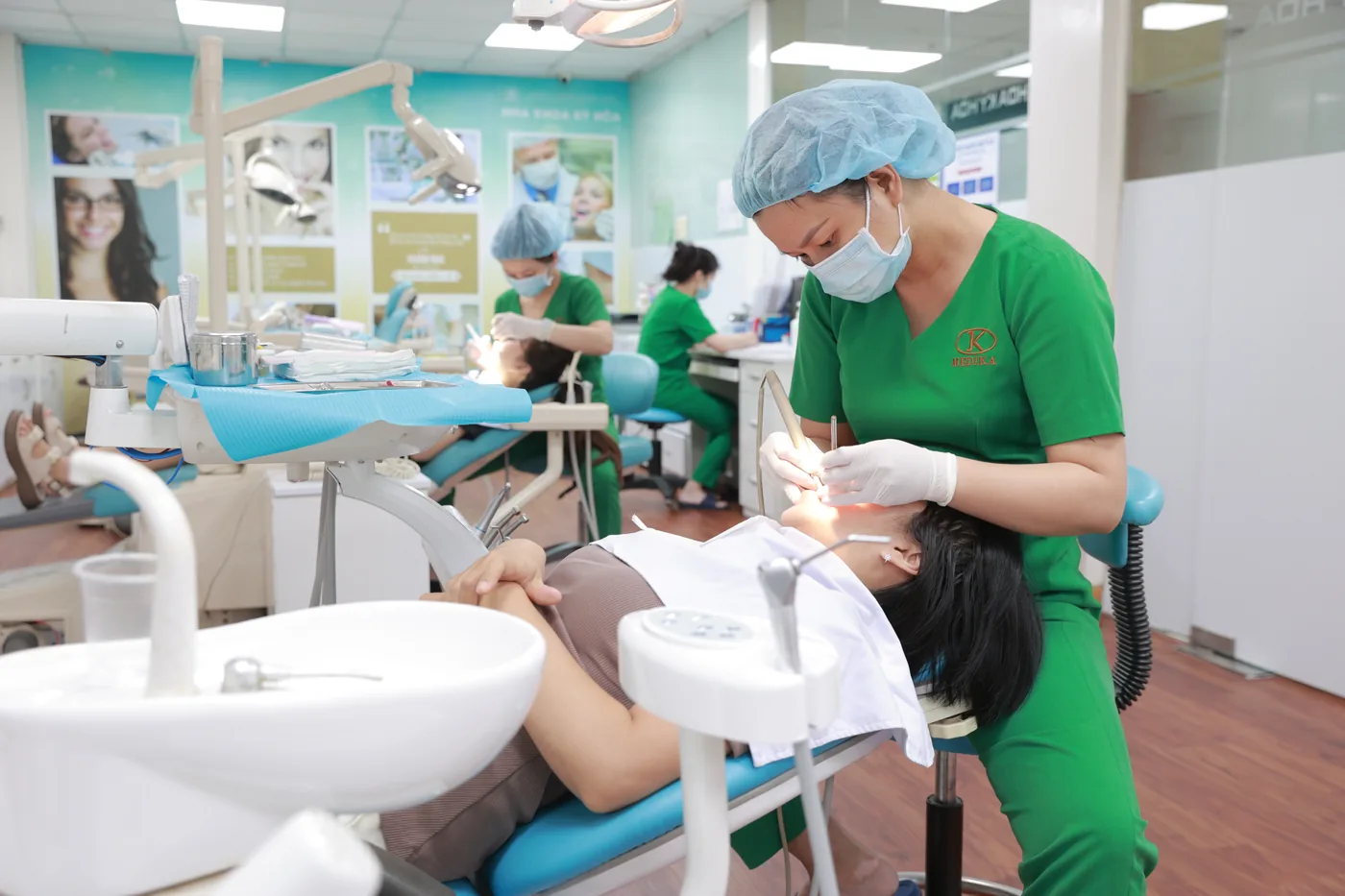
At Ky Hoa Dental, a large share of the people we see are older adults. Oral health at this age brings its own particular problems, and many of them can be prevented or handled gently if caught early. Here are the five we meet most often.
1. Dry mouth
Older adults often produce less saliva, especially while taking several medications (for blood pressure, heart conditions, allergies and so on). Saliva helps clean and protect the teeth, so a dry mouth leaves teeth more prone to decay and the mouth generally uncomfortable. Sipping water regularly, cutting back on sweet food and talking to a doctor if the dryness is severe are all worth doing.
2. Gum recession and root decay
With age, the gums tend to recede and expose the root surface, which lacks the enamel that protects the crown of the tooth. That surface decays easily and feels sensitive. This is why older adults can develop decay even while brushing regularly.
3. Loose teeth from periodontal disease
Periodontitis - inflammation of the supporting tissue around the tooth - builds up over many years and is the main reason teeth become loose and are eventually lost in later life. Bleeding gums, bad breath and gum swelling are early signs that should not be ignored.
4. Tooth loss and its effect on eating
Losing teeth is not only a matter of appearance. With fewer teeth, chewing becomes harder, and older adults tend to shift towards soft food with less vegetable and meat, which can lead to poor nutrition. Replacing lost teeth, with a removable denture or another solution, helps restore eating, but the choice needs dental advice based on the state of the jawbone and the person's general health.
5. Oral health and underlying conditions
In later life, oral health is tightly bound to general health. Diabetes makes periodontitis worse and the reverse is also true; some medications cause dry mouth; and before an extraction, the dentist needs a clear picture of the patient's heart condition, blood pressure and current medication. Being seen somewhere with internal medicine doctors on hand is therefore a genuine advantage for anyone with an underlying condition.
What should you do?
- Have regular check-ups, even without pain - many problems cause no discomfort in their early stages.
- Brush gently twice a day with a soft-bristled brush; if hand strength is limited, a thick-handled or electric brush can help.
- Clean removable dentures properly every day and take them out at night as instructed.
- Tell the dentist about any underlying conditions and current medication.
Frequently asked questions
Should older adults have regular dental check-ups?
Yes. Many oral problems in later life - root decay, periodontitis - progress quietly and give no warning early on. Regular check-ups catch them sooner, when treatment is gentler.
My parent takes blood pressure medication. Is there anything to note before dental work?
Yes. Tell the dentist about all current medication. For procedures such as an extraction, checking blood pressure and holding a joint consultation with an internal medicine doctor beforehand is important, which is straightforward at a general clinic like Ky Hoa.
Should a loose tooth in an older adult be kept or removed?
It depends on how loose the tooth is and on the state of the supporting tissue around it. Some cases are treated for periodontal disease to keep the tooth, others need extraction to prevent infection. The dentist will examine, take an X-ray and advise.