
Losing teeth with age is not simply a given. Understanding the real causes helps you keep your natural teeth for far longer.
- Losing teeth with age is not simply a given, because most of the causes can be slowed down with the right understanding and timely care.
- The five main causes are worn enamel, receding gums exposing the roots, years of accumulated periodontitis, dry mouth from medication, and underlying conditions.
- Periodontitis causes more tooth loss in older adults than decay does, because it gradually destroys the supporting tissue around the tooth over the years.
- Regular check-ups and scaling as prescribed catch problems early; a single visit can save a tooth that would otherwise have to be removed later.
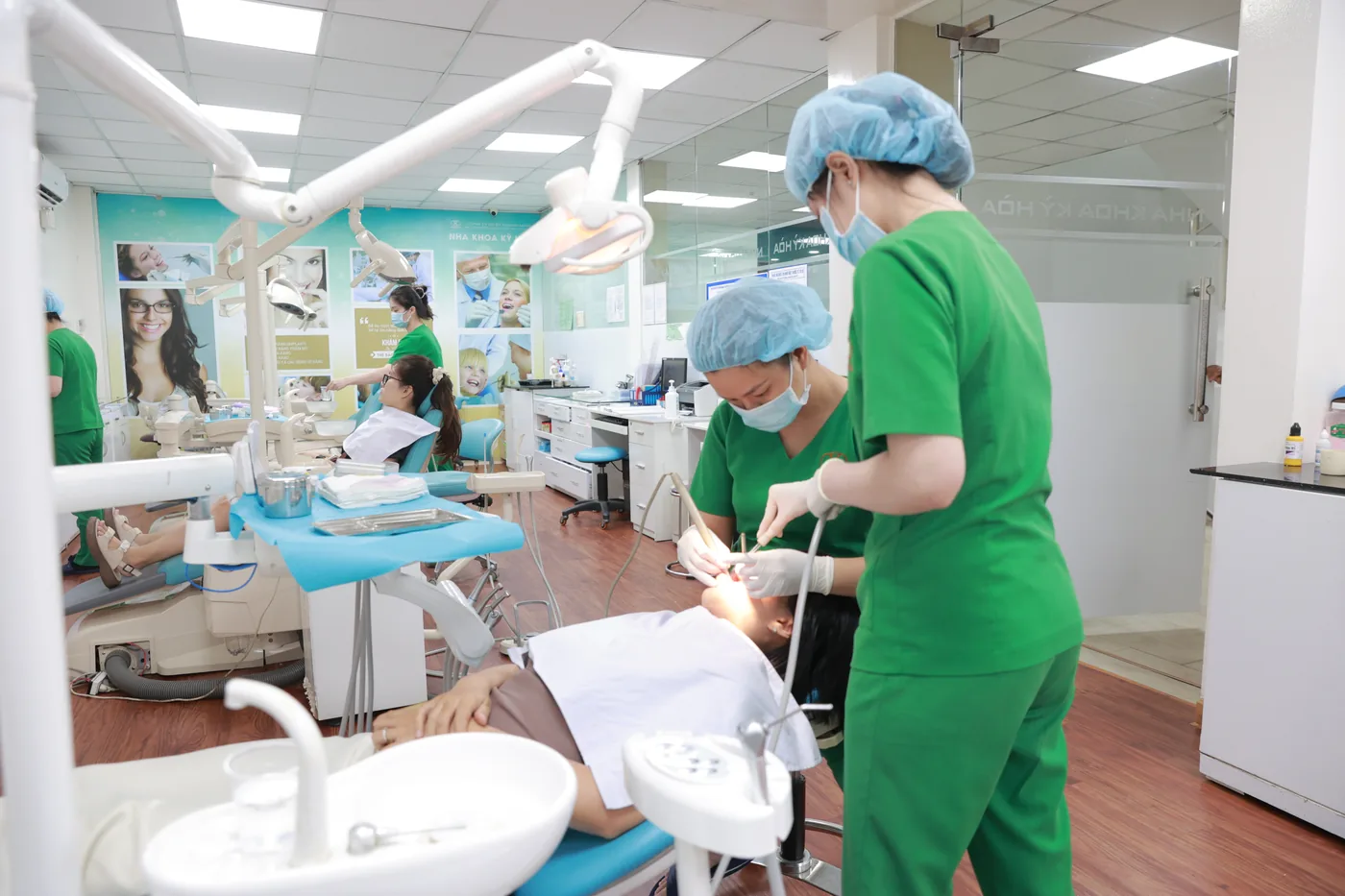
Many people treat tooth loss in later life as inevitable. In fact, most of the reasons teeth deteriorate faster with age can be slowed down considerably once you understand them and adjust your care.
1. Enamel wears down over time
After decades of chewing, the protective enamel on the outside of the tooth wears thin and exposes the softer dentine beneath. The tooth therefore becomes more sensitive and more prone to decay than it was in youth.
2. Receding gums expose the roots
Gums recede with age and expose the root surface, which has no enamel to protect it. This area decays easily, and root decay in older adults often progresses quickly.
3. Periodontitis builds up over the years
Periodontitis is a disease of the supporting tissue around the tooth, accumulating year after year when tartar is not removed and the condition is not treated. In later life the consequences become plain: teeth loosen and are eventually lost. This is the leading cause of tooth loss in older adults, ahead of decay.
4. Dry mouth from medication
Older adults often take several medications, and many of them cause dry mouth. With less saliva, the mouth's ability to clean and protect itself falls, so teeth decay more easily even when brushing habits stay the same.
5. Underlying medical conditions
Diabetes makes periodontitis more severe and harder to heal. Various other conditions and their treatments also affect the teeth and gums. In later life, therefore, oral care cannot be separated from managing general health.
How can you slow the process down?
- Have regular check-ups so root decay and periodontitis are caught early.
- Have scaling as prescribed to keep gingivitis and periodontitis under control.
- Brush gently with a soft-bristled brush and use dental floss where possible.
- Drink enough water, cut back on sweet food, and speak to a doctor if medication is causing dry mouth.
- Keep underlying conditions such as diabetes well managed.
Catching a problem early is almost always gentler and less costly than treating it late. A single check-up can save a tooth that would otherwise have to come out.
Frequently asked questions
Is losing teeth in later life unavoidable?
Not really. Most of the causes of tooth loss in older adults - periodontitis and root decay - can be slowed or prevented with regular check-ups and proper care.
Should older adults have scaling?
Yes, when the dentist prescribes it to control gingivitis and periodontitis, the main reason teeth become loose. In those cases it usually falls within the covered scope of health insurance.
Can severe tooth sensitivity in later life be treated?
Sensitivity can come from worn enamel, gum recession exposing the neck of the tooth, or root decay. The dentist needs to examine you to find the right cause before choosing an approach, so do not put off that first visit.