
The first wobbly tooth usually arrives at around six years old, and it takes several more years before the last baby tooth is gone. Here are the ages to expect.
- The first tooth usually loosens at around six years old, and most children have replaced all twenty baby teeth by twelve to thirteen.
- Usual sequence: central incisors 6-7, lateral incisors 7-8, first baby molars 9-11, canines 9-12, second baby molars 10-12.
- Between the two waves there is a quiet stretch of a few years, which is normal rather than a delay.
- The molar erupting at six is a permanent tooth added at the back. It replaces no baby tooth and never falls out.
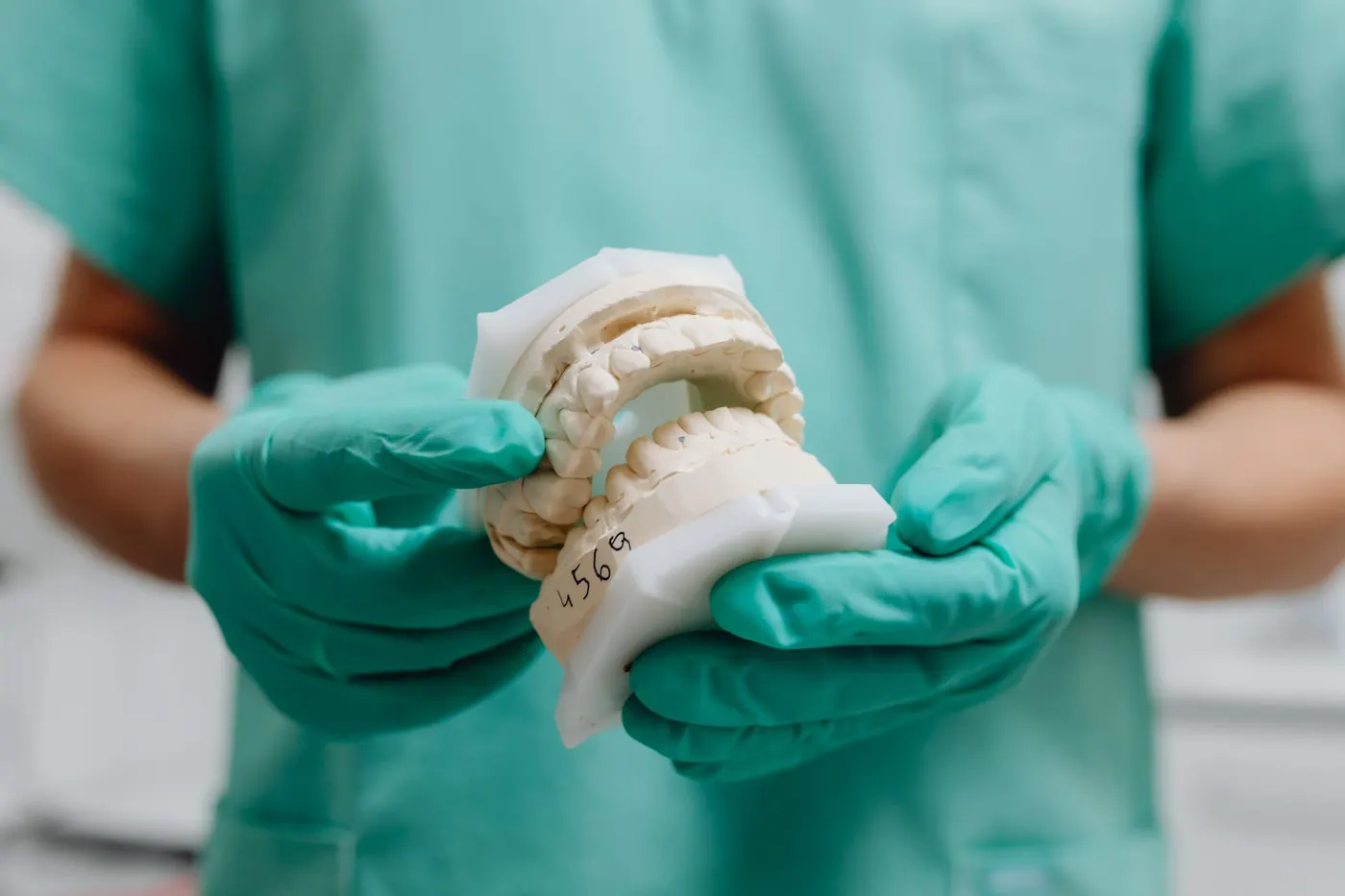
Has my child reached the age for losing teeth, which one goes first, and when will it all be over? These are the questions parents bring to the clinic most often during the primary school years. This article sets out the usual ages, along with the points worth watching.
At what age do children start losing baby teeth?
Most children lose their first tooth at around six years old, usually one of the two lower central incisors. Some start as early as five, others have nothing loose until seven. Both sit within the normal range.
Two general patterns make it easier to follow:
- Lower teeth are usually replaced before the matching teeth in the upper jaw.
- A child whose baby teeth came through early as an infant often loses them earlier too.
The order teeth are replaced, with reference ages
There are twenty baby teeth, in five groups per jaw. The usual sequence, by the child's age, runs like this:
- Central incisors: around 6 to 7 years. The four teeth in the middle, lower jaw usually first.
- Lateral incisors: around 7 to 8 years. The teeth either side of the central incisors.
- First baby molars: around 9 to 11 years. The smaller back tooth just behind the canine.
- Canines: around 9 to 12 years. The pointed tooth at the corner of the arch.
- Second baby molars: around 10 to 12 years. The last group to go.
Seen as a whole, the changeover falls into two distinct waves: the incisors between six and eight, then a quiet stretch of a few years when almost nothing happens, then the canines and molars between nine and twelve. That quiet stretch leads many parents to think their child has stalled, when it is simply the normal rhythm.
The tooth that arrives at six and replaces nothing
This is the point most often missed. At around six years, while the incisors are being replaced, a permanent first molar erupts right at the back, behind the last baby molar. It is an addition rather than a replacement, so no tooth falls out to announce it.
Because it appears so quietly, many families assume it is a baby tooth that will be replaced later. The consequence is that decay in this tooth goes unchecked until it is well advanced. It is a tooth that carries heavy chewing load and stays with the child for life.
When is the changeover finished?
Most children have replaced all twenty baby teeth by around twelve to thirteen years old. The permanent set is still not complete at that point, because the remaining large molars erupt later, and wisdom teeth generally appear after seventeen, if at all.
Does it matter if my child is early or late?
The ages above are a reference range, not a timetable. A difference of about a year either way is common and says nothing in itself. Teeth may also arrive out of order in a child who is developing perfectly normally.
Rather than counting the months, watch for the signs below. Those are the ones a dentist needs to see.
When to book an examination
- Your child is past eight and nothing has loosened yet.
- A permanent tooth has come through while the baby tooth is still in place, giving two rows of teeth.
- A baby tooth was lost early through decay or injury, leaving a gap that neighbouring teeth can drift into.
- More than six months have passed since a baby tooth was lost with no permanent tooth appearing.
- A loose baby tooth will not come out and hurts when your child eats.
- The gum around a tooth being replaced is swollen or discharging, or your child has a fever.
Care during these years
- Brush twice a day with fluoride toothpaste, using an amount suited to your child's age.
- Brush thoroughly right at the back, where the six-year permanent molar sits and where children most often miss.
- Cut down how often sweet snacks and drinks appear during the day, as frequency matters more than quantity.
- Do not tie thread around or pull at teeth that are still firmly attached.
- Keep up regular check-ups so the dentist can follow the sequence and pick up anything unusual early.
If you would like your child examined, Ky Hoa Dental is at 266A - 268, 3 Thang 2 Street, Hoa Hung Ward, Ho Chi Minh City, open Monday to Saturday, which makes weekend appointments possible for school-age children.
Frequently asked questions
At what age do children lose their first baby tooth?
Most children lose the first one at around six years old, usually a lower central incisor. Starting as early as five or as late as seven is still within the normal range. The point that matters more is a child past eight with nothing loose yet.
Does the order of tooth loss have to follow the chart?
No. The ages are a reference range, a difference of about a year is common, and some children lose teeth out of sequence while developing perfectly normally. Watch for unusual signs rather than following each milestone to the month.
Why has nothing happened for years since the front teeth?
That is the normal rhythm. The changeover comes in two waves: incisors between six and eight, then a quiet stretch of a few years, then canines and molars between nine and twelve. The gap in between is often mistaken for a delay.