
Many nursing mothers have a toothache but put off the dentist for fear of affecting the baby. This article explains what mothers need to know about dental treatment while breastfeeding.
- Many common dental procedures can be done while a mother is breastfeeding when the dentist feels they are needed.
- The mother should say she is breastfeeding and tell the dentist about any medicine or underlying condition.
- A toothache should not be endured until weaning because the infection may become worse.
- Steady oral hygiene and regular checkups keep the mother's teeth healthy while she nurses.
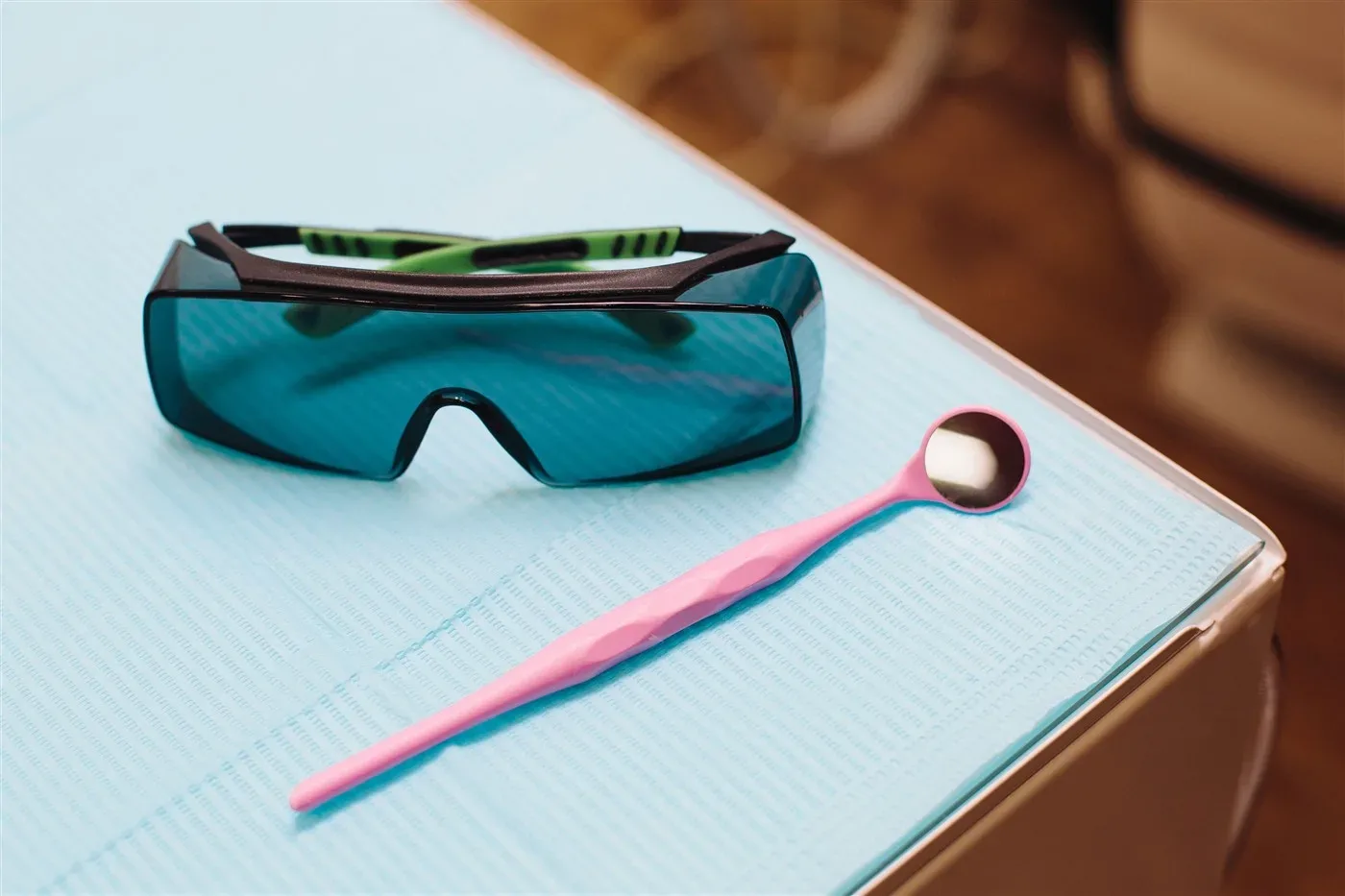
Many mothers who are breastfeeding have a toothache, a cavity or swollen gums, yet keep putting up with it because they are afraid treatment will affect the milk and the baby. A tooth that hurts for a long time without treatment can become more seriously infected and leave the mother exhausted and sleepless. This article helps mothers understand the situation so that they can feel more at ease about seeing a dentist.
Can a breastfeeding mother have a tooth removed or filled?
In many cases, yes. Common procedures such as scaling, fillings, root canal treatment and extractions can be done while breastfeeding when the dentist feels they are needed. What matters is that the mother tells the dentist clearly that she is breastfeeding so that the dentist can choose a suitable plan.
What to tell the dentist
- How old the baby is, and whether the baby is fully breastfed or also takes other milk.
- Any medicine or supplement the mother is taking.
- Any underlying condition, allergy or past reaction to local anesthesia.
- Whether the mother has strong pain, a swollen face or fever.
The dentist will use only the treatment that is needed and will explain it clearly. Mothers should not buy painkillers on their own before asking a doctor.
Do anesthesia and dental X-rays affect breast milk?
Local anesthesia is generally regarded as compatible with the breastfeeding period, although the dentist will still consider each person individually. You can read more in our article on whether local anesthesia is safe for extractions and fillings. Dental X-rays are taken only when they are really needed for diagnosis; the radiation dose of a dental film is very small and does not change breast milk.
Looking after your mouth while breastfeeding
- Brush twice a day and floss every evening.
- Drink enough water and eat a varied diet to cover the needs of both mother and baby.
- See a dentist early if your gums bleed, or if teeth feel itchy or sensitive.
If the mother is pregnant again, please read can pregnant women have teeth removed or filled.
You can call the hotline 028.3868.1097 or visit us in person during working hours at 266A - 268, 3 Thang 2 Street, Hoa Hung Ward, Ho Chi Minh City, and let the dentist know you are breastfeeding.
Frequently asked questions
Do I have to discard my milk after a tooth extraction?
Usually mothers do not need to discard milk on their own. Please ask the dentist after the exam so that you get advice that fits your situation.
Should I wait until I stop breastfeeding before seeing a dentist for a toothache?
No. A painful tooth or swollen gum left for a long time can become more seriously infected. Please see a dentist early and tell them you are breastfeeding.
Are breastfeeding mothers more likely to get cavities?
Lack of sleep, irregular meals and little time for self care make cavities and gum inflammation more likely. Regular oral hygiene and routine checkups help prevent them.