
This is the question that keeps people putting off a wisdom tooth extraction year after year. We will answer it plainly, without sugar-coating.
- During the procedure the dentist uses a local anaesthetic, so you mostly notice pressure and sound while the sensation of pain is considerably reduced.
- Once the anaesthetic wears off, the site is usually swollen and sore for a few days, depending on how difficult the case was and on your own body.
- Not every wisdom tooth needs removing; extraction is usually recommended when the tooth is angled or impacted, causes pericoronitis or damages the neighbouring tooth.
- Tell us in advance if you have an underlying condition or take blood-thinning medication; at Ky Hoa Dental the joint consultation with an internal medicine doctor happens inside the centre.
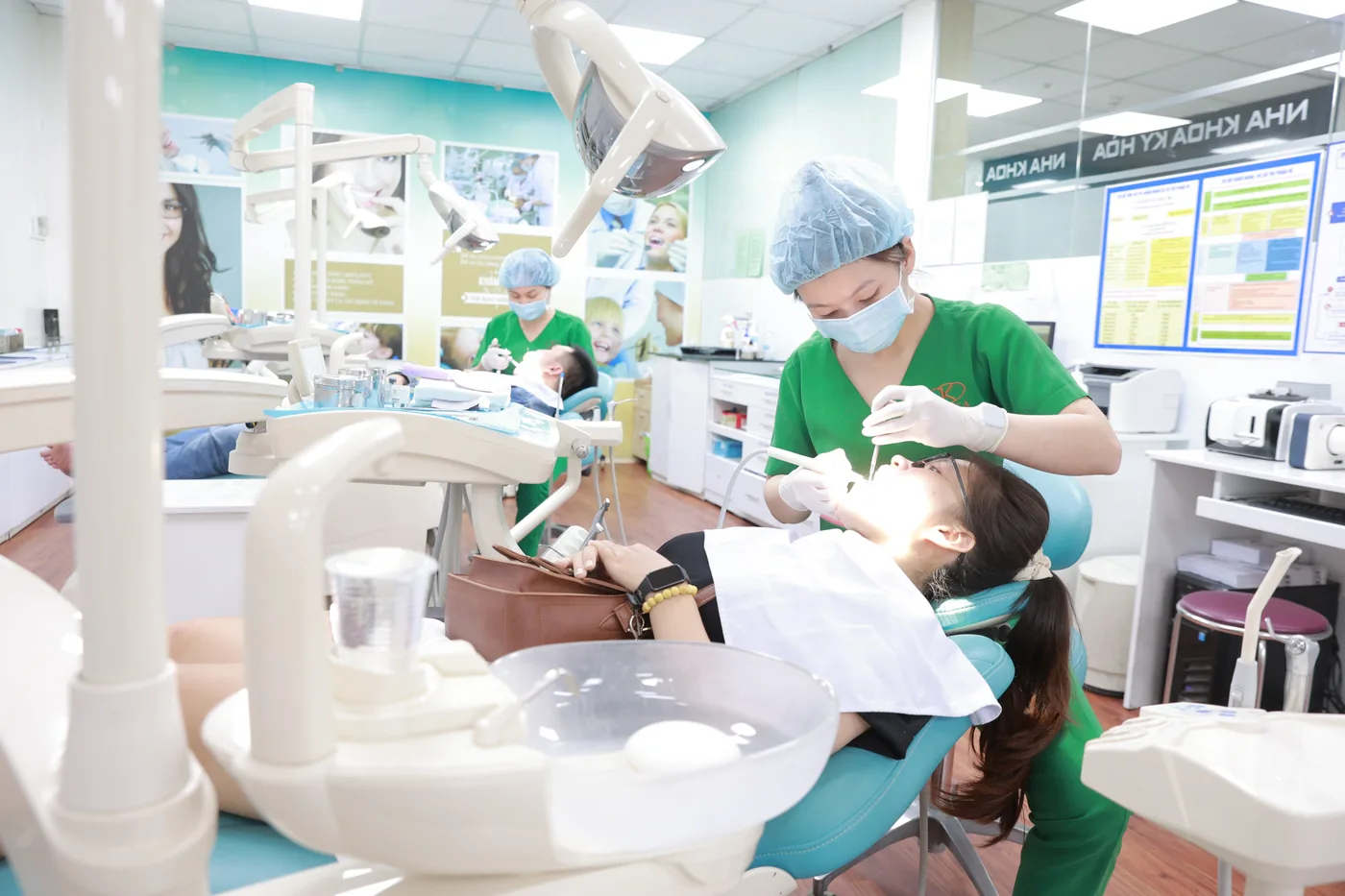
Fear of pain is the most common reason people postpone a wisdom tooth extraction, even after the tooth has caused trouble again and again. Rather than promising you will feel nothing, we would rather tell you honestly what to expect.
During the procedure: local anaesthetic limits what you feel
Before starting, the dentist administers a local anaesthetic to the area being treated. As a result, what you mostly notice during the procedure is pressure and sound, while the sensation of pain is considerably reduced. If you do feel pain at any point, say so straight away so the dentist can adjust the anaesthetic.
Once the anaesthetic wears off: some swelling and soreness for a few days
Here is the part worth saying plainly: once the anaesthetic wears off, the site is usually swollen and sore for a few days. How much depends on whether the case was straightforward or difficult (an upright tooth versus an angled or impacted one), on your own body, and on how carefully you follow the aftercare advice. The dentist will prescribe suitable pain relief and anti-inflammatory medication and explain how to care for the area so this stage is as easy as possible.
When should a wisdom tooth come out?
Not every wisdom tooth needs removing. Extraction is usually recommended when the tooth:
- Is angled or impacted and causes repeated pain and swelling
- Causes pericoronitis (gum flap over the tooth, trapping food and inviting infection)
- Causes decay or damage in the neighbouring tooth
- Has no opposing tooth to bite against and over-erupts, biting into the gum
If a wisdom tooth is upright, has enough room and causes no trouble, the dentist may recommend monitoring it rather than removing it. The way to be sure is an examination with an X-ray.
Aftercare: the first 48 hours matter most
- Bite firmly on the gauze as instructed to stop the bleeding.
- Apply a cold compress to the outside of the cheek on the first day to reduce swelling.
- Eat cool, soft food; chew on the opposite side; avoid hot, spicy or hard food.
- Do not rinse vigorously, use a straw or spit forcefully on the first day (this can dislodge the blood clot).
- Avoid smoking and alcohol - both slow healing.
- Take medication as prescribed and return for a check-up if the dentist schedules one.
If swelling and pain increase after a few days instead of easing, or if you develop a fever or prolonged bleeding, contact the clinic so we can check the site.
If you have an underlying condition
If you have high blood pressure, diabetes or are taking blood-thinning medication, tell the dentist beforehand. At Ky Hoa Dental, the health check and the joint consultation with an internal medicine doctor take place within the centre before the extraction, which makes the procedure safer.
Frequently asked questions
Is wisdom tooth extraction covered by health insurance?
If the wisdom tooth is angled, infected or causing complications - in other words, it has become a condition - the extraction usually falls within the covered scope of health insurance (BHYT). An extraction on request, while the tooth is causing no problem, does not.
How long after a wisdom tooth extraction can I eat normally again?
For the first few days, stick to cool, soft food. Recovery time varies from case to case and person to person; the dentist will give you specific instructions and schedule a follow-up if stitches need removing.
Should I have two or four wisdom teeth removed at once?
It depends on the state of each tooth and on your general health. Some people prefer one at a time, and in some cases the dentist may consider removing two on the same side. You will get advice after the examination and X-ray.