
Many older patients avoid extractions for fear their blood pressure will spike or their blood sugar will climb. With the right preparation, an extraction can still be straightforward and safe.
- An underlying condition does not rule out a tooth extraction; what decides the outcome is careful preparation beforehand rather than avoiding it while the tooth causes pain.
- Before an extraction, a patient with an underlying condition should have blood pressure taken on the spot, blood sugar checked, medication reviewed and further tests where needed.
- If you take blood-thinning medication you must tell the dentist beforehand and never stop the medication on your own without asking your doctor.
- At Ky Hoa Dental the Odonto-Stomatology dentist holds a joint consultation with an internal medicine doctor inside the centre, so you need no clearance letter from elsewhere.
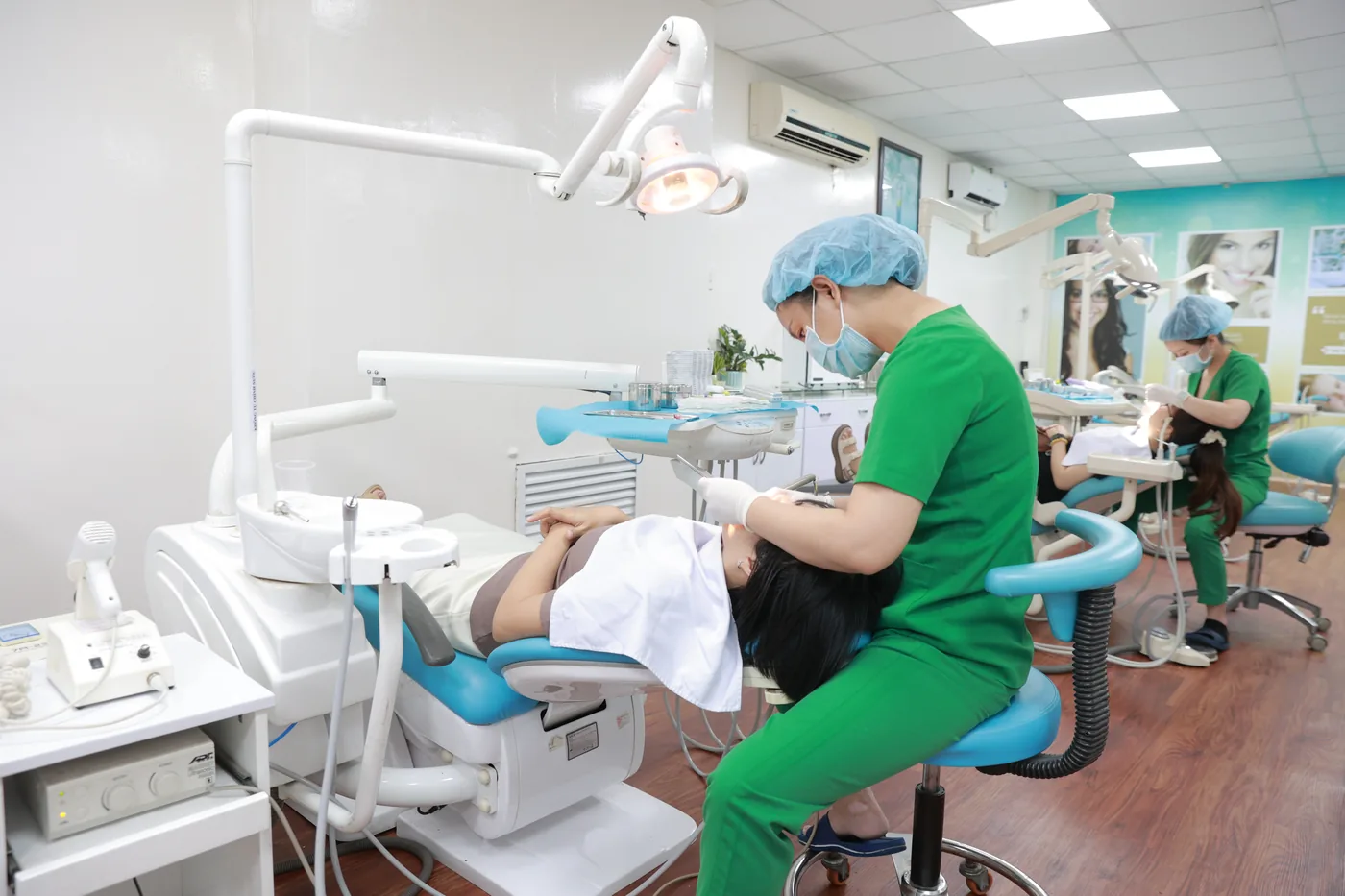
It is a familiar scene at home: a parent has a loose tooth aching quietly for a month and still hesitates to have it out. The reason is usually something like "I have a heart condition, an extraction sounds risky", or "I am diabetic, and they say wounds take forever to heal". Those worries have a basis, but they do not mean a patient with an underlying condition cannot have a tooth removed. What matters is preparing carefully beforehand rather than avoiding it indefinitely while a decayed tooth keeps causing pain.
Why patients with underlying conditions need extra care
An extraction is a small piece of minor surgery, with a local anaesthetic and some bleeding. For a healthy person it is simple, but when the body is already carrying other conditions, a few points need watching:
- High blood pressure and heart disease: the tension of sitting in the dental chair can nudge blood pressure upwards. Extracting a tooth while blood pressure is high brings more bleeding and is not good for the heart.
- Diabetes: when blood sugar is not yet stable, the wound after an extraction tends to heal more slowly and the risk of infection is higher than usual.
- Blood-thinning medication: many patients take anticoagulants after a stent, a valve replacement or a diagnosis of atrial fibrillation. This group of medicines makes bleeding harder to stop after an extraction, so the dentist needs to know in advance.
None of this is meant to alarm you. On the contrary, once the dentist has a clear picture of your health, all of it can be managed. What is genuinely risky is an extraction where nobody knows what conditions you have.
An internal medicine review before the extraction - a step not to skip
This is the difference between simply getting a tooth out and having it done with preparation. Before touching the tooth, a patient with an underlying condition should have:
- Blood pressure taken on the spot, to confirm the reading is within a range that allows the procedure.
- Blood sugar checked for patients with diabetes, to see whether it is currently stable.
- Current medication reviewed, particularly anticoagulants, blood pressure medication and heart medication.
- Further tests where needed, as the doctor decides for each individual case.
At Ky Hoa Dental, because the Odonto-Stomatology department sits within Ky Hoa Medical Center, complex cases with underlying conditions allow the dentist to hold a joint consultation with an internal medicine doctor on the spot. You do not have to travel elsewhere for a clearance letter. Working this way means an extraction for a patient with an underlying condition is weighed more carefully, and avoidable risks are kept down.
The safe extraction process for patients with underlying conditions at Ky Hoa
To give you a picture, an extraction for a patient with an underlying condition usually runs through these steps:
- A dental examination and X-ray so the dentist can assess the tooth in question.
- A careful medical history, blood pressure reading, blood sugar check and review of current medication.
- A joint consultation with internal medicine where needed, to decide the timing and approach; sometimes the dentist will ask you to return once your readings are steadier.
- The extraction itself under local anaesthetic, worked gently to limit discomfort and bleeding.
- Aftercare instructions and clear guidance on the signs that mean you should come back.
How quickly you recover still varies with your condition and your own body, so talk openly with the dentist about every condition you have, including medication that seems unrelated.
Can a health insurance card be used for an extraction due to a condition?
Yes. When a tooth is infected, badly damaged or loose because of a condition and the dentist indicates extraction, this is treatment of a condition and you can use your health insurance (BHYT) card at Ky Hoa. Whether the benefit level is 80%, 95% or 100% within the covered scope depends on the category recorded on your card. An extraction on request, while the tooth is causing no condition, is not covered. You can read more in our article on whether tooth extraction is covered by health insurance, or look at our tooth extraction service at the centre. For patients with diabetes, keeping the mouth clean matters a great deal too - see our article on diabetes and periodontitis.
A closing note
Having an underlying condition does not mean living with a painful tooth. What you should do is neither rush into an extraction anywhere convenient nor let fear keep you waiting. Go to a facility where a doctor can review your general health first, take your blood pressure and check your blood sugar properly. When you come in, bring the medication you are taking and say clearly what conditions you have - that is how you help us prepare a safe procedure for you.
Frequently asked questions
Can I have a tooth extracted while taking blood-thinning medication?
Yes, but you must tell the dentist beforehand. Anticoagulants make bleeding harder to stop, so the Odonto-Stomatology dentist will hold a joint consultation with an internal medicine doctor to decide whether the medication needs adjusting or the timing changing. Never stop the medication on your own without asking your doctor.
Do extraction wounds heal slowly in people with diabetes?
When blood sugar is not yet stable, the wound tends to heal more slowly and infection is more likely. That is why the dentist checks blood sugar before the extraction and advises on the right timing. Recovery varies with each person's condition and body.
What should I prepare before an extraction if I have high blood pressure?
Take your blood pressure medication as usual and bring the prescription with you. At Ky Hoa the dentist takes your blood pressure on the spot before the extraction; if the reading is high, the dentist may reschedule until it is steadier, for your safety.