
The six-year molar is a child's first permanent tooth and comes in quietly at the very back of the jaw. Many parents assume it is a baby tooth and overlook its care.
- The six-year molar is the first permanent tooth, coming in around age 6 behind the last baby tooth.
- It replaces no baby tooth, which is why it is so often mistaken for one.
- Its deep grooves make it prone to decay, so careful brushing and fissure sealing help protect it.
- Regular check-ups let decay be found early while it is still small.
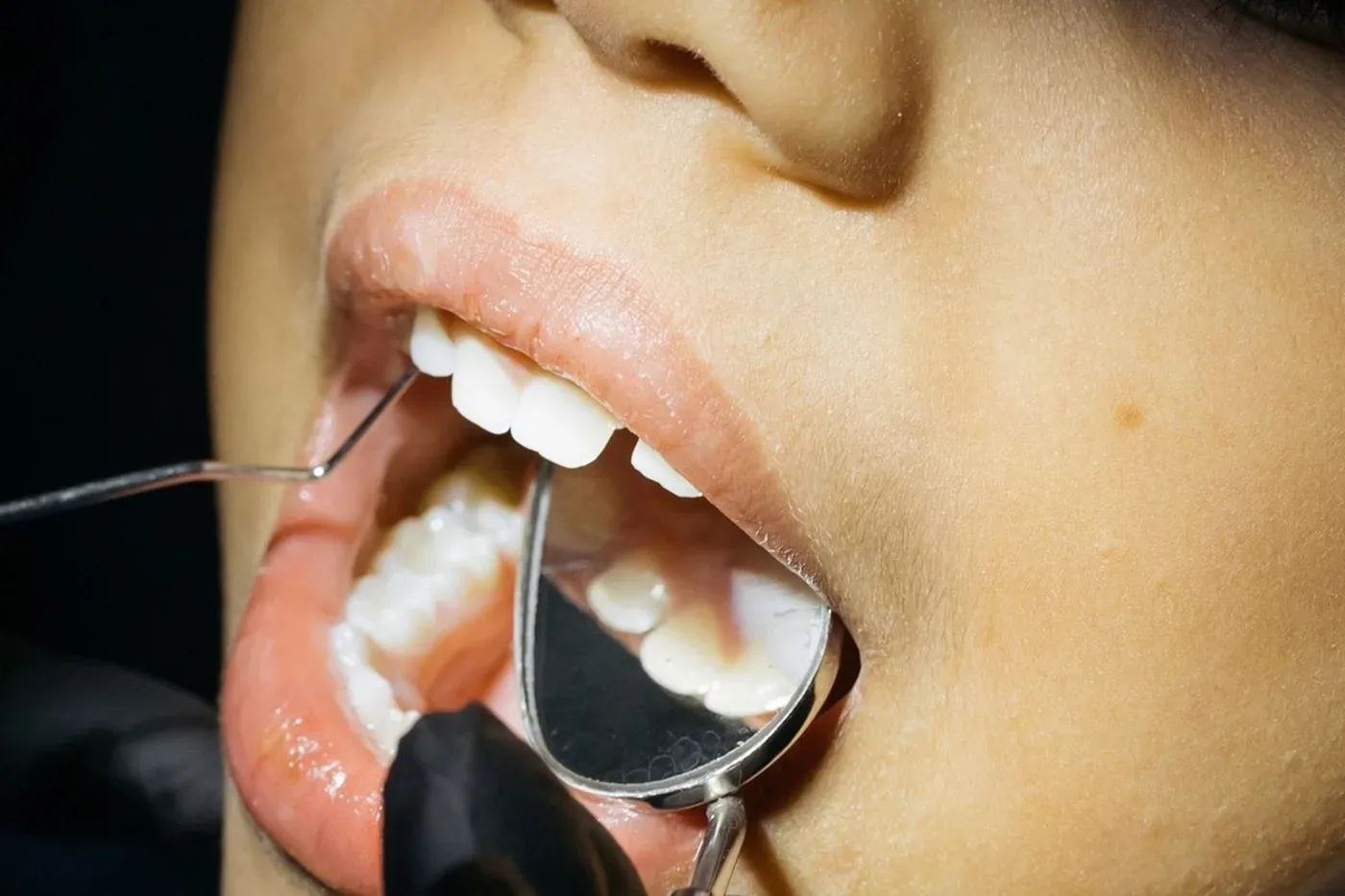
What is the six-year molar and when does it come in?
The six-year molar is the first permanent molar, usually coming in around age 6. It appears right behind the last baby tooth and does not replace any baby tooth, so it is very easily mistaken for one.
Because it comes in quietly and the child has not yet lost any teeth, many parents do not notice it. You can read our article on the baby tooth replacement schedule to keep track.
Why does it need special attention?
- It is a permanent tooth that must last a lifetime and will not be replaced.
- The chewing surface has deep grooves where food is easily trapped and hard to brush clean.
- Newly erupted enamel is still weak and decays more easily.
- The tooth guides the other permanent teeth into place and helps keep the bite stable.
How can you tell it has come in?
- You see a large tooth at the very back of the row, with no baby tooth lost before it.
- The child may feel slightly uncomfortable, and the gum around the tooth may look a little red when it first comes through.
- Gently check with a small torch at around ages 5 to 7.
How to protect the six-year molar
- Brush your child's teeth twice a day, paying attention to the chewing surface of the new tooth and helping while the child is small.
- Ask the dentist about fissure sealants, a way of covering the deep grooves to lower the risk of decay.
- Limit sweets, especially snacking and sugary drinks between meals.
- Take your child for regular check-ups so problems are found early.
When should you take the child to a dentist?
If you notice discolouration, a dark hole on the chewing surface, or your child complains of sensitivity or pain, bring them for an early check. You may also read whether baby molars are replaced.
You are welcome to bring your child to Nha Khoa Kỳ Hòa, 266A - 268, 3 Tháng 2 Street, Hòa Hưng Ward, Ho Chi Minh City, during opening hours, or call the hotline 028.3868.1097 (Zalo 082.299.3377) to ask about quieter time slots.
Frequently asked questions
Is the six-year molar a baby tooth?
No. It is the first permanent tooth, coming in behind the last baby tooth, and it does not replace any tooth.
Is it a problem if the six-year molar decays?
Yes, because it is permanent and will not be replaced. It is wise to bring the child early so decay can be treated while it is small.
Does a six-year molar need fissure sealing?
Dentists often advise it because the chewing surface has many deep grooves. The dentist decides after examining the child.