
When an older adult feels a tooth wobble while chewing, the worry sets in. Some want it out straight away for peace of mind, others hold on to it at all costs. In truth this is not a decision you can make at home: the dentist needs to examine you and take an x-ray before anyone knows whether the tooth can still be saved.
- A loose tooth almost never firms up again on its own unless the cause is treated, and that cause is usually periodontitis eating away the socket bone around the root.
- While a tooth is only slightly loose and enough bone remains, the dentist prioritises saving it through periodontal treatment, splinting and control of underlying conditions.
- Extraction is considered when the tooth rocks clearly in several directions because the bone is almost gone, when there is severe infection with pus, or when the tooth is broken deep into the root.
- The decision to keep or remove rests on a direct examination and an x-ray; periodontal treatment and extraction for disease can be done using your health insurance card at Ky Hoa Dental.
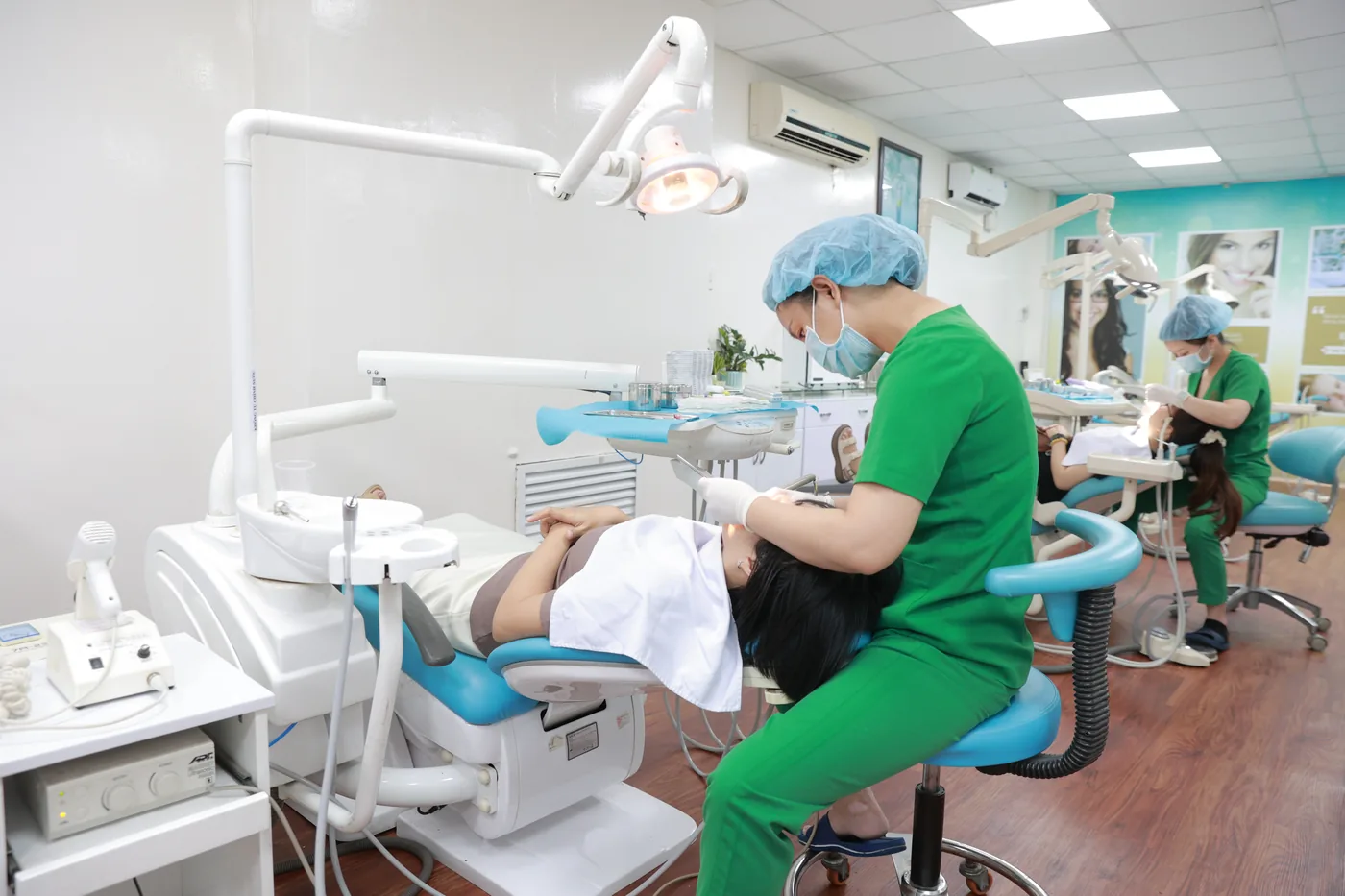
Why do older adults get loose teeth?
A sound tooth is held firm by the gum and the bone socket wrapped around its root. As the years go by that foundation wears away more easily, which is why loose teeth are far more common in older adults than in younger people. The usual causes are:
- Periodontitis: tartar and bacteria building up over time inflame the gum, then work downwards and destroy the bone around the root. As the bone goes, the tooth loosens.
- Loss of socket bone: when the supporting bone thins, the root loses its grip and the tooth rocks under chewing.
- Underlying conditions: people with diabetes or heart disease tend to have more severe and persistent gum inflammation, and their teeth loosen more readily.
One thing to remember: a loose tooth almost never firms up again on its own unless the cause is dealt with. The longer it is left, the further the inflammation spreads and the more bone is lost, until saving the tooth becomes difficult even if you want to. Our article on why teeth deteriorate faster with age covers the root of the problem.
When is it worth trying to save the tooth?
The good news is that a loose tooth does not automatically mean extraction. In many cases the tooth is only slightly loose and enough bone remains, so the dentist will prioritise keeping it, because a natural tooth is always worth more than a replacement. The usual approaches are:
- Periodontal treatment: removing tartar below the gum line, cleaning out the periodontal pockets and teaching the right cleaning technique. Once the inflammation settles and the gum tightens, many slightly loose teeth become firmer over time, depending on each person's condition.
- Splinting: where a tooth can be saved, the dentist may bond it to the firm teeth on either side so they support one another and the tooth takes less lateral force while chewing.
- Treating underlying conditions alongside: good control of blood sugar and blood pressure helps the gums heal faster.
At Ky Hoa, treatment for disease such as scaling where indicated and periodontal treatment can be done using your health insurance card for your dental visit at Ky Hoa, so keeping a tooth often costs less than you expect. Reference self-pay figures for scaling are published on our price list and depend on what the dentist finds, and cardholders pay less than that self-pay level within their entitled scope.
When is extraction the better option?
There are also cases where keeping the tooth does more harm than good. The dentist will usually consider extraction when:
- The tooth is very loose and rocks clearly in several directions because the supporting bone is almost gone.
- There is severe infection with a pocket of pus, persistent pain and bad breath that conservative treatment has not improved.
- The tooth is broken down deep into the root and cannot be restored.
- The infection around that tooth risks affecting neighbouring teeth or general health.
Removing one badly damaged tooth is sometimes the way to protect the rest. For anyone with an underlying condition, extraction calls for extra caution, and the advantage at Ky Hoa is that an internal medicine doctor within the same general medical centre can be brought in for a joint consultation beforehand. See our tooth extraction page and the article on whether health insurance covers tooth extraction for the cost side. Extraction for disease falls within health insurance cover; self-pay reference figures for permanent teeth are published on our price list and vary by tooth.
Why does it take an examination and an x-ray to decide?
The naked eye only sees the crown of the tooth. The thing that matters most, how much bone is left around the root, only shows on an x-ray. Two teeth can feel equally loose while one has healthy bone and can be saved and the other has lost more than half its support, making the effort futile. That is why the decision to keep or remove always rests on a direct examination and an x-ray rather than on how the tooth feels.
Please do not try to remove a tooth at home by wiggling it or tying thread around it. In older adults, particularly anyone on anticoagulant medication or living with diabetes or heart disease, this easily leads to bleeding that is hard to control and to infection. If something does not feel right, come in and let the dentist take a gentle look.
A short word of advice
If you feel a tooth starting to loosen, there is no need to panic, but do not leave it either. Arrange an early appointment so the dentist can assess the bone and the level of inflammation. Only then will you know whether to keep or remove it, what it will cost and how much your health insurance card will help. Ky Hoa gives a clear quote before treatment so you can weigh things up calmly. For advice, call our hotline 028.3868.1097 or Zalo 082.299.3377. We are open Monday - Saturday, 06:30 - 17:00 (closed Sunday).
Frequently asked questions
Can a loose tooth become firm again?
A tooth loosened by periodontitis or bone loss usually will not firm up again unless the cause is dealt with. With scaling, periodontal treatment and good hygiene, many slightly loose teeth do become firmer over time, depending on each person's condition. Only an examination will tell you which case yours is.
Does health insurance cover extracting a loose tooth?
If the tooth is loose because of disease and extraction is indicated, this falls within health insurance cover at a facility contracted for health insurance examination and treatment, as Ky Hoa is. You can use your health insurance card for your dental visit here, and the benefit level depends on the category recorded on your card. Extraction requested without any disease present is not covered.
How much does it cost to save a loose tooth?
It depends on the level of inflammation and the number of teeth involved. Reference figures for scaling where indicated and for root canal treatment, if needed, are published on our price list. These are treatments for disease, so cardholders pay less than the self-pay level. Ky Hoa gives a clear quote before treatment so you can decide with the full picture.