
When a child begins to lose teeth, many parents wonder whether to pull a loose tooth. In most cases it is better to let the tooth fall out by itself, but a few signs mean you should have it checked.
- A loose baby tooth is normal during tooth replacement, usually starting around age 6.
- In many cases it is better to let the tooth fall out by itself rather than force it out early.
- See a dentist for a double row of teeth, loose tooth with swelling or pain, loosening after a knock, or a tooth that stays loose too long.
- When the tooth falls out, press clean gauze on the spot and keep brushing gently.
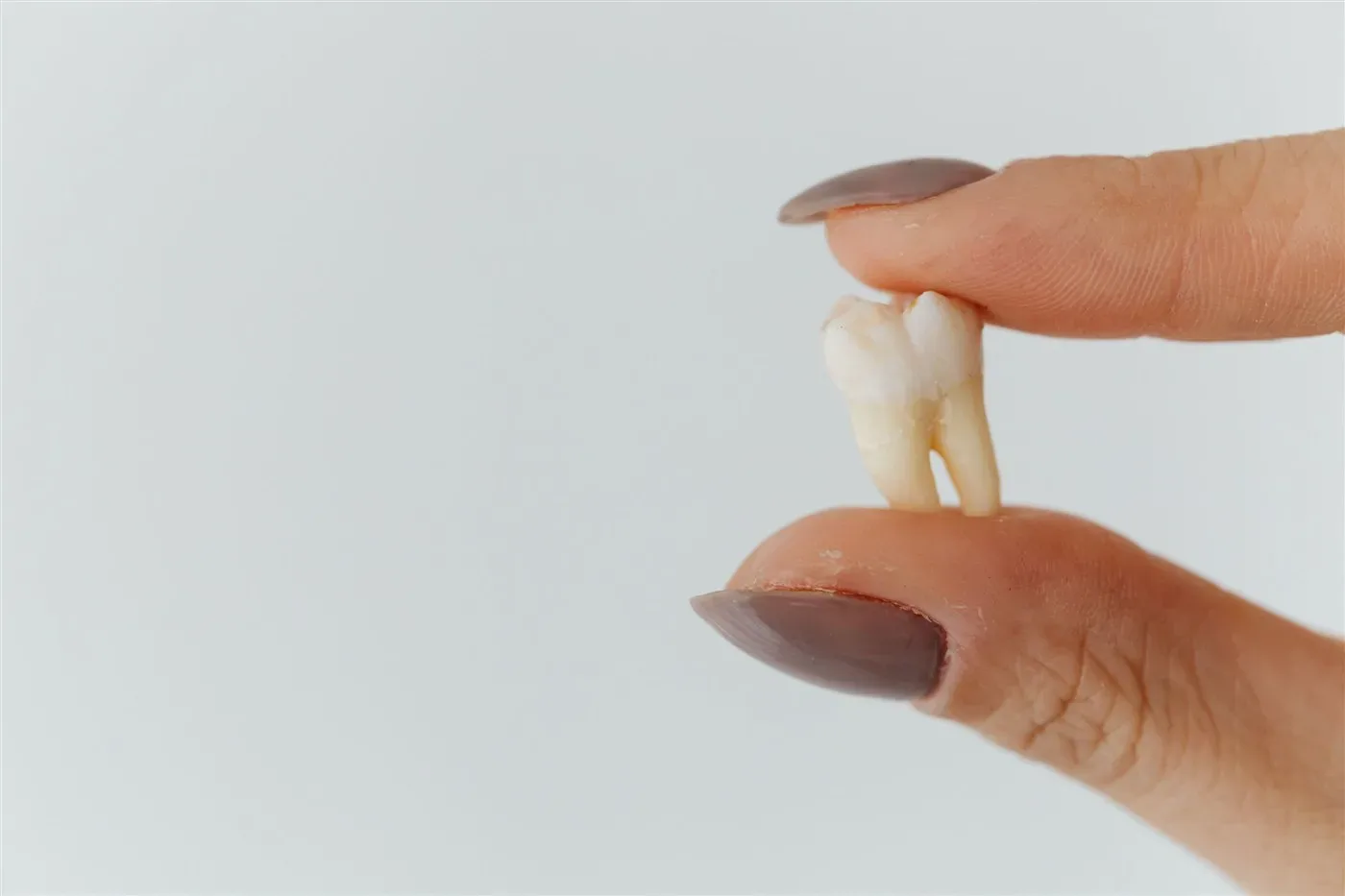
Is a loose baby tooth normal?
Yes. As a permanent tooth grows up from beneath, the root of the baby tooth gradually dissolves and the tooth becomes loose. This is natural tooth replacement, which usually begins around age 6. You can read our article on the baby tooth replacement schedule.
Should you pull it at home?
In many cases, letting the tooth fall out by itself is the safest way. Parents should only help when the tooth is very loose, hangs on by a little gum tissue, does not hurt, and a child can wiggle it gently with a clean finger. Do not pull hard, do not tie it with thread and do not use unsterilised tools.
Why not force it out too early?
- If the root is still deep, pulling early can cause pain, heavy bleeding and fear in the child.
- A piece of root may be left behind, or the gum may be torn and become infected.
- Removing a tooth too early may let the permanent tooth drift out of position. See our article on whether removing a baby tooth hurts.
When should you see a dentist?
- A baby tooth is loose, but the permanent tooth is already coming up right beside it, so there are two rows of teeth.
- A loose tooth with swelling, pain, pus or fever.
- A tooth loosened after a knock, or a tooth that becomes loose very early before the usual age. See our article on children who are slow to lose baby teeth.
- A tooth that stays loose for a very long time without falling out.
Caring for the mouth while a tooth is loose
Keep brushing gently, especially around the loose tooth, and avoid letting your child bite hard food. When the tooth falls out, press a clean piece of gauze on the spot and let the child bite lightly for a few minutes.
You are welcome to bring your child to Nha Khoa Kỳ Hòa, 266A - 268, 3 Tháng 2 Street, Hòa Hưng Ward, Ho Chi Minh City, during opening hours, or call the hotline 028.3868.1097 (Zalo 082.299.3377) to ask about quieter time slots.
Frequently asked questions
How long does a loose baby tooth take to fall out?
It varies from child to child and tooth to tooth, from a few weeks to a few months. If it stays loose for a very long time, bring your child for a check.
Is bleeding when a baby tooth falls out a problem?
Mild bleeding is normal. Press clean gauze on the spot and bite lightly; if bleeding is heavy and does not stop, take your child to be examined.
What if the permanent tooth comes in while the baby tooth is still there?
This is a double row of teeth. Bring your child to the dentist, who will decide whether the baby tooth needs to be removed.