
Teeth grinding, sticky candy, fizzy drinks, constant snacking or chewing ice can quietly wear down enamel and cause cavities. Spotting these habits early helps protect your teeth for years to come.
- Besides brushing the wrong way, habits such as teeth grinding, constant snacking on sweets and fizzy drinks and chewing ice can quietly wear down enamel and cause cavities.
- How often you eat sweets matters as much as how much: every time, the mouth becomes acidic and the enamel loses minerals.
- Sugar-free soft drinks and fruit juice can still erode enamel because of their acidity if you drink them often.
- To keep teeth healthy: brush at least twice a day with fluoride toothpaste, clean between your teeth, have regular check-ups and do not smoke.
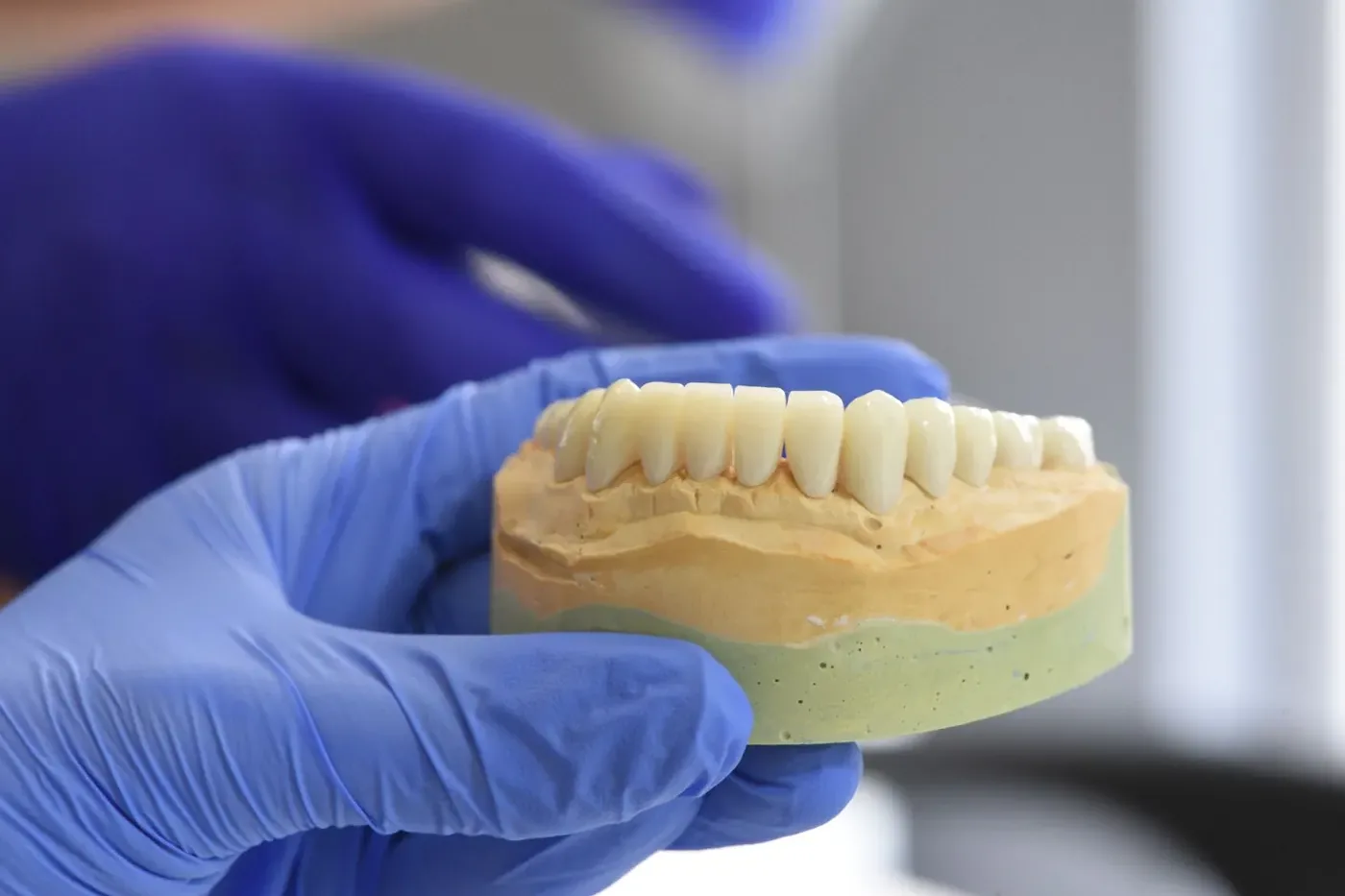
Every day, your teeth are exposed to all kinds of food and drink, heat and cold, and the force of chewing. Besides brushing the wrong way, many seemingly harmless habits also raise the risk of enamel erosion, tooth decay and other oral health problems. Good oral hygiene is essential, but to keep your teeth healthy for a long time, it also helps to recognize harmful habits and gradually cut back on them.
Grinding your teeth in your sleep
Teeth grinding (bruxism) is when the upper and lower jaws clench or rub against each other, often without you being aware of it, especially during sleep. The cause may be stress, anxiety, poor sleep or a few other factors.
Repeated grinding over a long time wears down enamel, making teeth sensitive and painful, and can even damage the structure of the teeth. Some people also wake up with a tired jaw, sore jaw muscles or pain around the temples. People who often grind their teeth should see a dentist to find the cause and assess the damage; in some cases the dentist will prescribe a night guard to wear while sleeping. Do not buy one yourself, because a guard that does not fit well can rub, feel uncomfortable and throw off your bite.
Sticky candy and snacking habits
Sweets easily cause tooth decay, and the most worrying are chewy and sticky candies, because they cling to the tooth surface and the gaps between teeth, keeping sugar there for a long time. Bacteria in the mouth use sugar to produce acid. Teeth that are regularly bathed in acid lose minerals from the enamel and decay more easily.
It is not only what you eat but how often that matters. Every time you eat sweets or starchy foods that ferment easily, the mouth becomes acidic again. Snacking on sweets, cookies and soft drinks all day means your teeth are exposed to sugar and acid many times, making them more likely to lose minerals and decay.
- If you like candy, eat it only a few times a day, ideally during or right after a main meal, when plenty of saliva helps clean the mouth.
- Keep fairly regular mealtimes and limit sugary foods. If you need a snack, choose something less sweet.
- After eating, rinse your mouth with plain water and brush your teeth properly.
Fizzy drinks and boxed juice
Drinking fizzy soft drinks regularly, especially sugary ones, is bad for your teeth. Sugar feeds the bacteria that cause decay, and the acidity of many drinks helps erode enamel. Sugar-free versions are not entirely harmless either: cutting the sugar reduces tooth decay, but the sourness of the drink can still wear down enamel if you drink it often.
Fruit juice contains vitamins and minerals, but many boxed juices have added sugar on top of the sugar naturally present in fruit. Many juices are also acidic and can wear down enamel when drunk often.
- Make plain water your main drink. If you have soft drinks, have them only occasionally and do not sip them slowly over a long time.
- Choose juice with no added sugar and read the label carefully; if you make juice at home, do not add sugar, and drink it with a meal.
- Choose whole fruit in moderate amounts instead, because it has fiber, needs chewing and keeps you full longer.
- After drinking something acidic, rinse your mouth with plain water, but do not brush right away, because the enamel is temporarily softer at that point.
Other habits and how to protect your teeth
Chewing ice, using your teeth to bite or open things, chewing very hard foods, smoking and brushing incorrectly also make teeth and gums more easily damaged. To keep your teeth healthy, brush at least twice a day with fluoride toothpaste, clean between your teeth, have regular dental checkups, cut back on sweets, do not smoke and avoid putting heavy force on your teeth.
Source: Suc Khoe & Doi Song (Health & Life) newspaper
Frequently asked questions
Are sugar-free soft drinks bad for your teeth?
They cause less decay than sugary drinks, but they are not entirely harmless. The acidity of many drinks can still wear down enamel if you drink them often. Make plain water your main drink, and if you have soft drinks, have them only occasionally rather than sipping them over a long time.
Why should you not brush right after an acidic drink?
Right after an acidic drink, the enamel is temporarily softer than usual, so brushing then can wear it down. Rinse your mouth with plain water first and wait a while before brushing.
Should I buy a night guard myself if I grind my teeth?
No. A guard that does not fit well can rub, feel uncomfortable and throw off your bite. People who often grind their teeth should see a dentist to find the cause, assess the damage and get a suitable guard when needed.