
Many people believe chewing betel makes teeth strong, but the World Health Organization's cancer agency classifies areca nut as a cause of cancer. Long-term chewing wears teeth, inflames gums and can damage the lining of the mouth.
- Areca nut is classified as cancer-causing, even without tobacco.
- Long-term betel chewing stains and wears teeth, builds tartar and causes gum disease.
- Stiff inner cheeks, narrowing mouth opening, white or red patches or sores over two weeks need an early check.
- Cutting down and stopping, plus regular check-ups, help catch problems early.
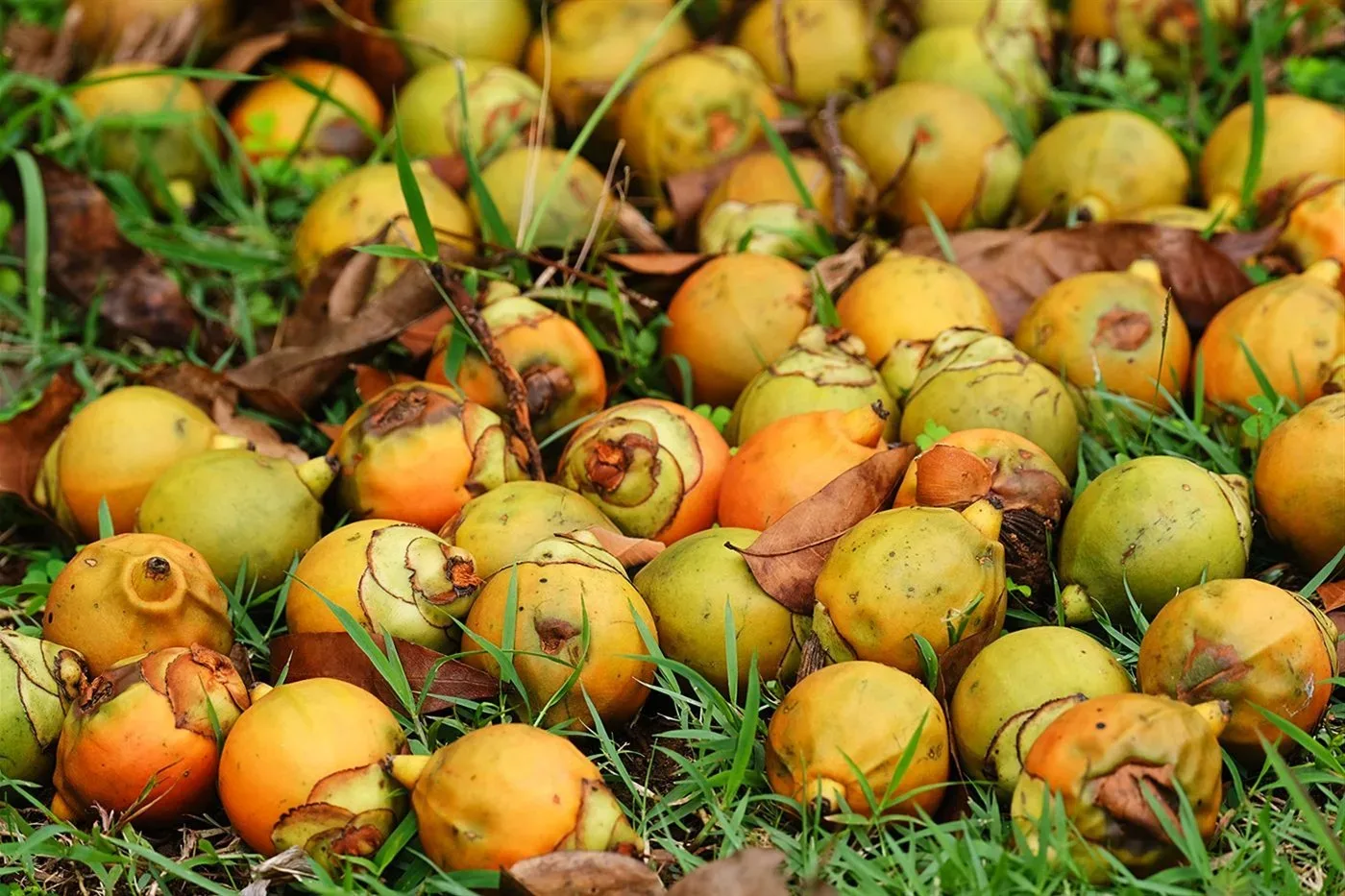
A betel quid is made of a betel leaf, a piece of areca nut and slaked lime, sometimes with tobacco or tree bark added. It is a familiar cultural tradition, and many grandparents have chewed betel for decades. Some believe it strengthens the teeth and prevents decay. In fact, medical research shows that chewing betel and areca nut for many years harms the mouth in several ways.
How does betel chewing affect the teeth and gums?
- Black or reddish-brown stained teeth: pigments from the quid bind tightly to enamel and tartar.
- Tooth wear: chewing hard areca nut for years wears down biting surfaces, making teeth shorter and sensitive.
- Heavy tartar and gum disease: lime and quid residue collect around the necks of teeth, causing gum inflammation, recession and loose teeth. See why older people's teeth wear out faster.
- Damage from lime: slaked lime is strongly alkaline and, over time, irritates and ulcerates the area where the quid is held.
Risks to the lining of the mouth
Areca nut contains substances that the International Agency for Research on Cancer classifies as cancer-causing in humans, even when chewed without tobacco. Long-term betel chewing is linked to:
- Oral submucous fibrosis: the inner cheeks gradually stiffen and pale, mouth opening narrows and spicy food stings.
- Fixed white or red patches: patches that cannot be wiped off may be precancerous changes.
- Oral cancer: the risk is clearly higher, especially with smoking and drinking alcohol.
Warning signs that need an early check
- A mouth sore that has not healed after two weeks.
- White or red patches, a lump or a hard area on the cheek, tongue or gums. See small lumps on the gums.
- Increasing difficulty opening the mouth, trouble swallowing or a numb tongue.
- Unusually loose teeth or bleeding without a clear reason.
Mouth care for people who chew betel
- Cut down the number of quids each day and work toward stopping, and do not add tobacco.
- Rinse with water after chewing and do not keep the quid in the mouth for long.
- Brush twice a day with a soft brush and fluoride toothpaste.
- Have a check-up and cleaning about every six months. At each visit, the dentist will also look at the cheeks, tongue and floor of the mouth to spot changes early.
Family members can help by taking older relatives for regular check-ups and noticing changes in their mouth. See also how smoking affects the mouth.
Nha Khoa Ky Hoa is at 266A - 268, 3 Thang 2 Street, Hoa Hung Ward, Ho Chi Minh City. Hotline 028.3868.1097, Zalo 082.299.3377 to ask about quieter times.
Frequently asked questions
Does chewing betel make teeth stronger?
There is no evidence that it strengthens teeth. Long-term chewing actually wears teeth, builds up tartar and causes gum disease.
Is betel without tobacco safe?
No. Areca nut itself is classified as cancer-causing; tobacco only adds to the risk.
Can black stains from betel be cleaned?
Scaling and polishing reduce surface stains, but colour that has soaked in over many years may not fully disappear.