
In a family, people sometimes pick up or borrow each other's toothbrush for convenience. This habit can pass bacteria from one person to another.
- A toothbrush carries saliva, bacteria and sometimes blood, so it should not be shared.
- Give each person their own brush and keep brush heads from touching.
- Do not share mouthwash cups, used toothpicks or electric brush heads either.
- Replace a brush about every three months and sooner after an illness.
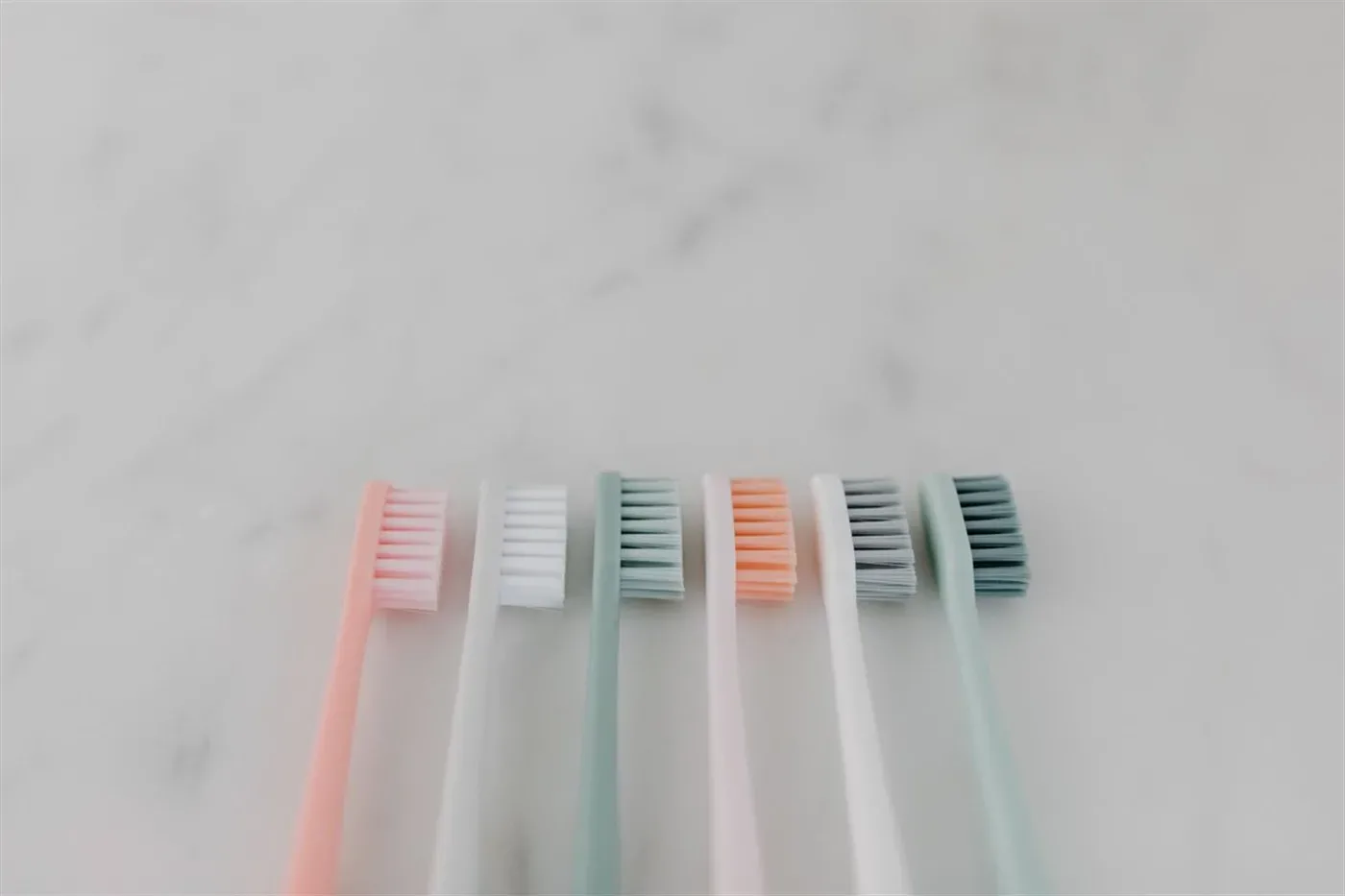
A toothbrush is in direct contact with the mouth, so the bristles always carry saliva, bacteria and sometimes blood from inflamed gums. Sharing a toothbrush can pass the bacteria that cause decay and gum disease to someone else, especially young children and people with weak resistance.
Why not share?
- Bacteria in the mouth can pass on through the saliva on the bristles.
- Blood from bleeding gums can stay on the brush, especially if one person has an illness carried in the blood.
- A person who is ill, has a viral infection or has mouth sores can leave germs on the brush, see whether lip herpes is contagious and hand, foot and mouth disease in children.
Other items that should not be shared
- An electric toothbrush head and a mouthwash cup.
- Toothpicks and floss that have already been used.
- Spoons and utensils from someone who is ill.
How to use and store brushes in a family
- Give each person their own brush, with a label or a different colour so they are not mixed up.
- Stand brushes apart so the heads do not touch each other.
- Rinse well, shake off the water and keep them somewhere dry and airy.
- Replace a brush about every three months, and sooner after an illness or viral infection, see how long a toothbrush should be used.
See also whether a bamboo toothbrush is better than a plastic one and everyday habits that harm teeth.
When should you visit Ky Hoa Dental Clinic?
Nha Khoa Ky Hoa is at 266A - 268, 3 Thang 2 Street, Hoa Hung Ward, Ho Chi Minh City. You can walk in during opening hours, or call the hotline 028.3868.1097 to ask about quieter times first, so the dentist can advise on oral care for the whole family.
Frequently asked questions
Is it all right to share a toothbrush?
No, because saliva, bacteria and sometimes blood on the bristles can pass from one person to another.
How should toothbrushes be stored in a family?
Give each person their own brush, stand them apart so the heads do not touch, rinse well and keep them somewhere dry and airy.
How often should a toothbrush be replaced?
About every three months, and sooner after an illness or viral infection, or when the bristles fray.