
The roots of the upper back teeth sit very close to the sinus, so a toothache and sinusitis are easily mistaken for each other. A few differences help you see the right doctor.
- The roots of the upper back teeth lie close to the sinus, so toothache and sinusitis are easily confused.
- Pain across several teeth that grows when bending the head and comes with a blocked nose suggests the sinus.
- Pain in one tooth, pain on biting or sensitivity to hot and cold suggests a dental problem.
- A dentist can examine and take an X-ray to tell them apart, and refer you to an ENT specialist if needed.
Many people feel an ache in the upper back teeth. Chewing feels tight and bending the head down makes it worse, and they wonder whether the problem is a tooth or the sinus. The two are genuinely easy to confuse because their causes sit side by side.
Why are toothache and sinusitis easy to confuse?
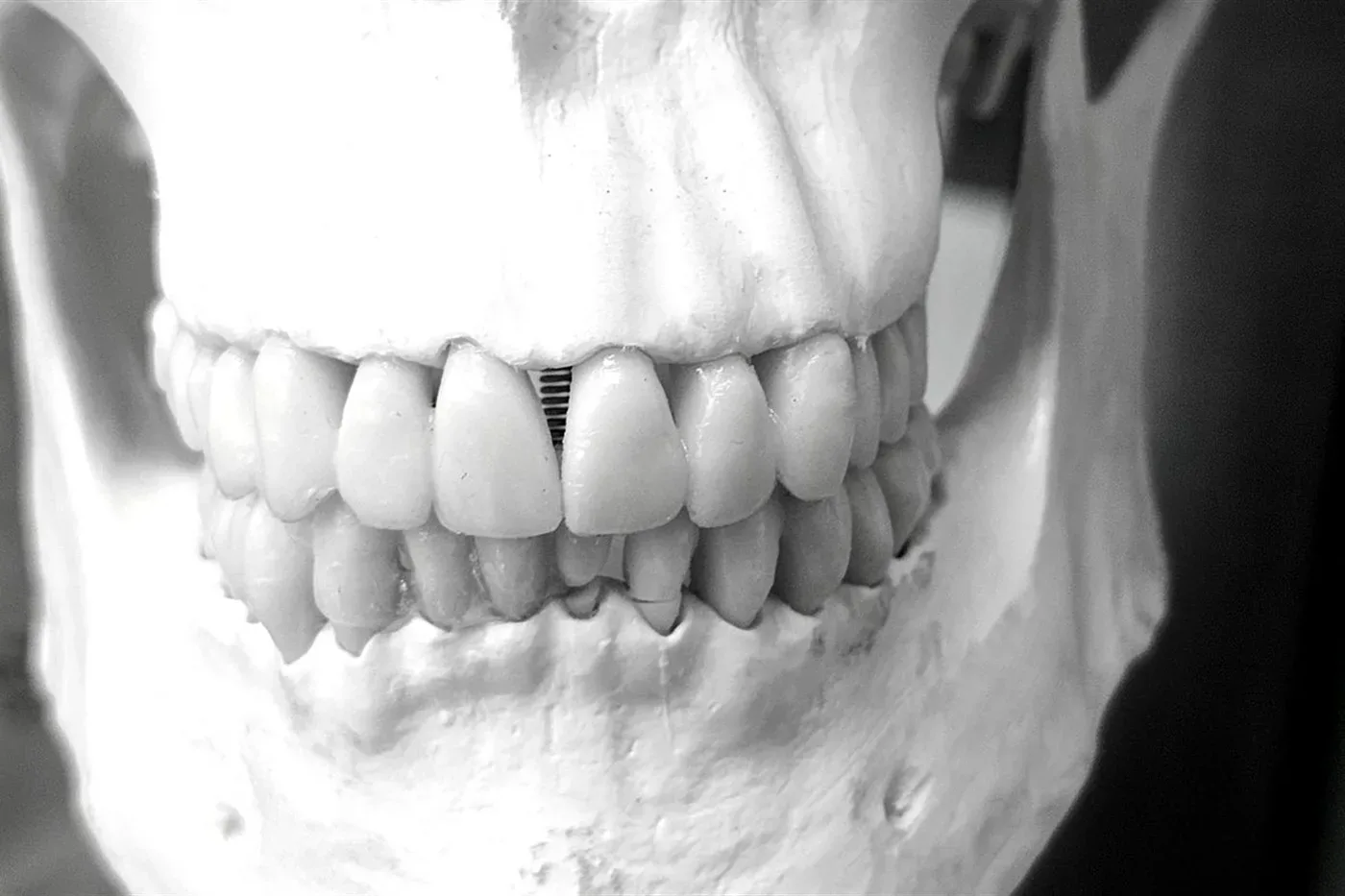
The maxillary sinus is a hollow space directly above the upper back teeth. The roots of the premolars and molars can sometimes be separated from the sinus by only a very thin layer of bone. When the sinus is inflamed, the pressure inside pushes down on the roots and feels like a toothache. In the other direction, a tooth with an infected root can also spread infection up into the sinus.
Signs that suggest the sinus
- A dull, tight ache across several upper back teeth at once, not clearly one tooth.
- Pain that grows when you bend your head, lie down or change position.
- A blocked or runny nose and a heavy feeling in the cheek or around the eye.
- No pain when biting or when a tooth is tapped gently.
Signs that suggest a tooth
- Pain concentrated in one tooth, with clear pain on pressing or biting.
- Sensitivity to hot and cold, or sharp pain that starts by itself, especially at night.
- A cavity, a broken tooth, a swollen gum or a bump beside the tooth.
Where should you go first?
If there are clear signs at one tooth, see a dentist first. The dentist will examine you and may take an X-ray to look at the roots and sinus. If the teeth look healthy but the pain continues together with nose symptoms, the dentist will suggest seeing an ear, nose and throat specialist. Nha Khoa Ky Hoa is at 266A - 268, 3 Thang 2 Street, Hoa Hung Ward, Ho Chi Minh City. You can walk in during opening hours, or call the hotline 028.3868.1097 to ask about quieter times first. Only a direct examination can confirm the cause.
Frequently asked questions
Can sinusitis cause pain in several teeth at once?
Yes. Because the roots of the upper back teeth lie near the sinus, sinusitis can cause an aching pain in several teeth together, often with a blocked nose or heavy cheeks.
Can an infected tooth lead to sinusitis?
It can. Infection at the root of an upper back tooth sometimes spreads into the sinus, so a long lasting sinus problem is often checked for a dental cause as well.
Does an X-ray help tell them apart?
An X-ray lets the dentist see the roots and the sinus beside them. Together with a clinical examination it helps pinpoint the cause.