
A toothache means something is wrong with the tooth or gums, most often decay, inflamed pulp, gum inflammation or a wisdom tooth. You can ease the pain at home for a while, but it will only stop for good once a dentist finds the cause.
- Toothache is often caused by decay, inflamed pulp, gum inflammation or a wisdom tooth, and each type of pain points to a different cause.
- Warm salt water, removing trapped food, a cold compress outside the cheek and avoiding the painful side only ease pain temporarily and do not treat the cause.
- Do not start antibiotics, put leaves or folk remedies on the tooth, or ignore the problem because the pain fades.
- Pain lasting over 1 to 2 days, a swollen gum or cheek, or fever means you should be seen soon; trouble breathing or swallowing needs emergency care right away.
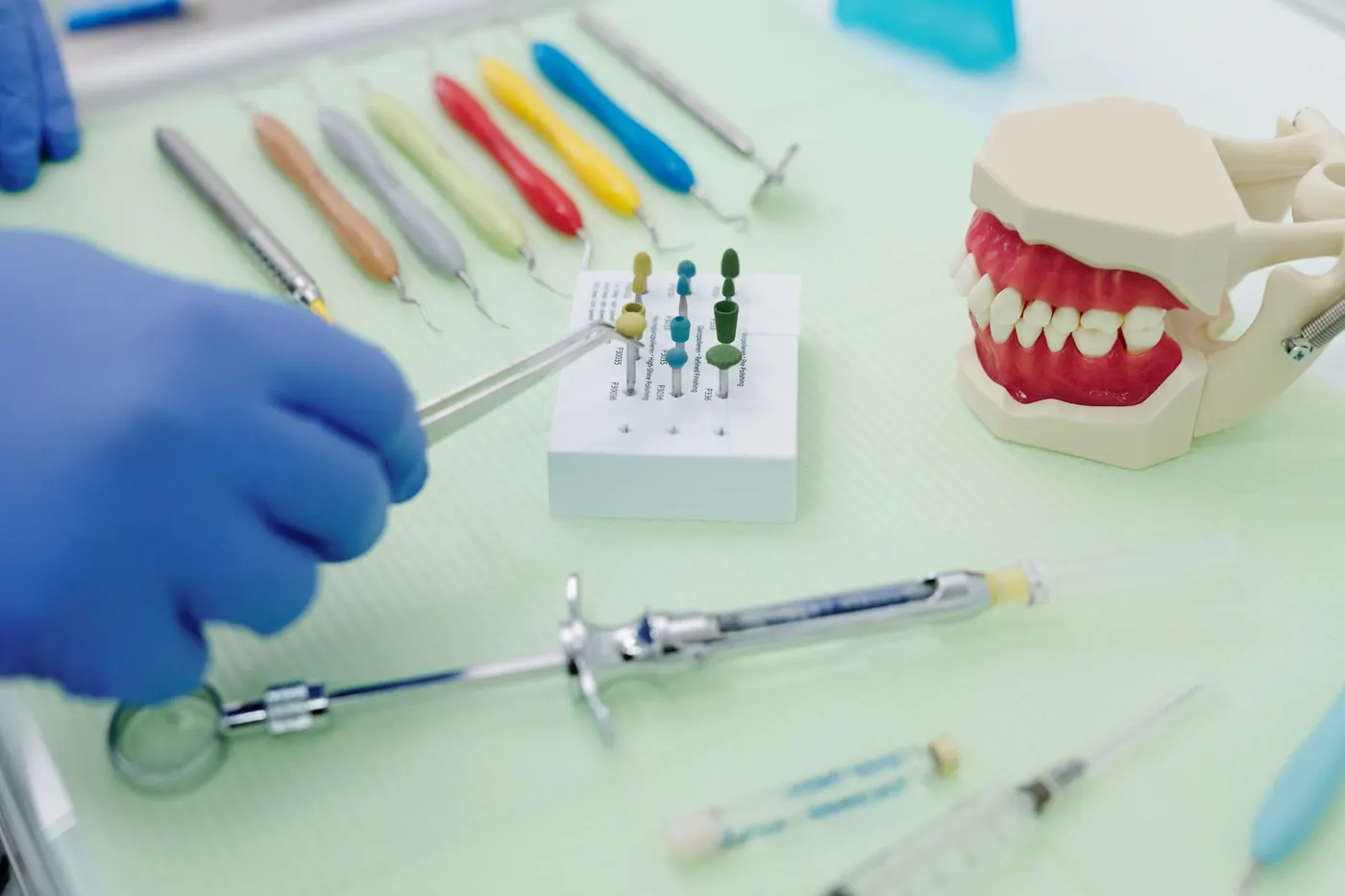
A toothache tends to show up at the worst moment: in the middle of the night, while eating, or just before a trip. Many people put up with it for a few days until it fades, but the pain stopping does not mean the tooth has healed. This article explains why teeth hurt, how to ease the pain for now and when not to wait any longer.
Why does a tooth hurt? Common causes
Each kind of pain points to a different cause. Use this to describe your symptoms to the dentist:
- Brief sensitivity to cold, hot, sour or sweet: often worn enamel, exposed tooth necks or early decay. See What to do about teeth that hurt with cold food.
- Sharp pain with sweets or a dark hole in the tooth: usually decay. See Tooth decay in adults.
- Dull aching, severe pain at night or pain that lingers: the decay may have reached the pulp. Read How do you know decay has reached the pulp?.
- Pain when biting or chewing: may come from a cracked tooth, inflammation around the root or a filling that is too high.
- Swollen, red, painful or bleeding gums: often gingivitis or periodontal disease, see Can periodontitis be treated?.
- Pain at the very back of the jaw, trouble opening the mouth: common with tilted wisdom teeth or a gum flap over them, see Wisdom teeth: signs, when to remove them and how to care for them.
- Jaw ache and sore teeth on waking: may come from grinding at night, see Is grinding teeth in your sleep harmful?.
What to do for a toothache: temporary relief at home
These steps only ease discomfort while you wait to see a dentist. They do not treat the cause:
- Rinse with warm salt water: it cleans the area and calms the gum. Rinse gently.
- Clean between the teeth: use floss gently to remove trapped food, since many toothaches come from food stuck between teeth.
- Cold compress on the cheek: apply short cold sessions on the outside of the cheek if it is swollen.
- Avoid chewing on the painful side: eat soft, lukewarm food and avoid very hot, cold, sweet or hard items.
- Keep your head raised when lying down: many people find the throbbing eases at night.
- Pain relief: if needed, ask a pharmacist or doctor for the right type and dose for you.
What not to do when you have a toothache
- Do not start antibiotics on your own. They do not replace treating the cause in the tooth.
- Do not put leaves, garlic, alcohol or folk remedies into the cavity or on the gum. They can burn the tissue, cause infection or make diagnosis harder.
- Do not pick at food with sharp objects because it can hurt the gum.
- Do not ignore it just because the pain fades. An inflamed tooth can stop hurting for a while after the pulp dies, but bacteria remain and can cause an abscess later.
- Do not use heat on the outside of a swollen cheek, since it may increase the swelling.
When should you see a dentist right away?
See a dentist soon if the pain lasts more than 1 to 2 days, keeps getting worse, keeps you awake, or comes with:
- Swollen gum or cheek, pus or a bad taste near the tooth.
- Fever, tiredness or swollen glands in the neck or under the jaw.
- A loose or broken tooth, or a lost filling.
- Trouble opening the mouth.
Go to emergency care immediately if swelling spreads quickly across the face or neck, or if you have trouble breathing or swallowing. These are signs of spreading infection and should not wait for office hours.
Toothache exams and treatment at Nha Khoa Ky Hoa
The dentist will ask how the pain feels and when it started, examine the teeth and gums, and take an X-ray when needed to find the cause. Only then do they choose an approach such as a filling, root canal treatment, scaling, wisdom tooth care or extraction if the tooth cannot be saved. If you worry that root canal treatment hurts, read Is root canal treatment as scary as people say?. For insurance, see Dental care with health insurance: what is and is not covered.
Nha Khoa Ky Hoa sees patients in queue order by number. Call the hotline 028.3868.1097 to ask about quieter hours, or come in during working hours at 266A - 268 Duong 3 Thang 2, Hoa Hung Ward, Ho Chi Minh City. Zalo: 082.299.3377.
This article is for reference only and does not replace an in-person examination. Everyone's oral health is different, so please see a dentist for advice specific to you.
Frequently asked questions
What should I do right away for a toothache?
Rinse with warm salt water, remove trapped food from between the teeth, apply a cold compress outside the cheek and avoid chewing on the painful side. These only ease the pain for now, so you should still see a dentist to find the cause.
If a toothache goes away on its own, do I still need a checkup?
Yes. Less pain does not mean the tooth has healed, especially if the pulp is damaged. Bacteria remain and can cause inflammation or an abscess later.
Should I take antibiotics for a toothache on my own?
No. Antibiotics should only be used when a dentist prescribes them. Using them on your own can mask the symptoms and does not fix the cause in the tooth.
What if a toothache comes with a swollen face?
See a medical facility soon. If swelling spreads quickly across the face or neck, or you have trouble breathing or swallowing, go to emergency care immediately.