
Some people suddenly feel a throbbing tooth on a plane even though it was fine the day before. The pressure change usually just reveals a tooth that already had a problem.
- Toothache on a flight is usually a sign of a tooth that already had a problem, such as deep decay, a leaking filling or infection at the root tip.
- Chewing gum, sipping water and avoiding very hot or cold drinks may make you more comfortable in the air.
- Pain that eases after landing does not mean the tooth has healed, so a dental visit is still advised.
- Have your teeth checked at least a few weeks before a long flight and avoid extractions right before flying.
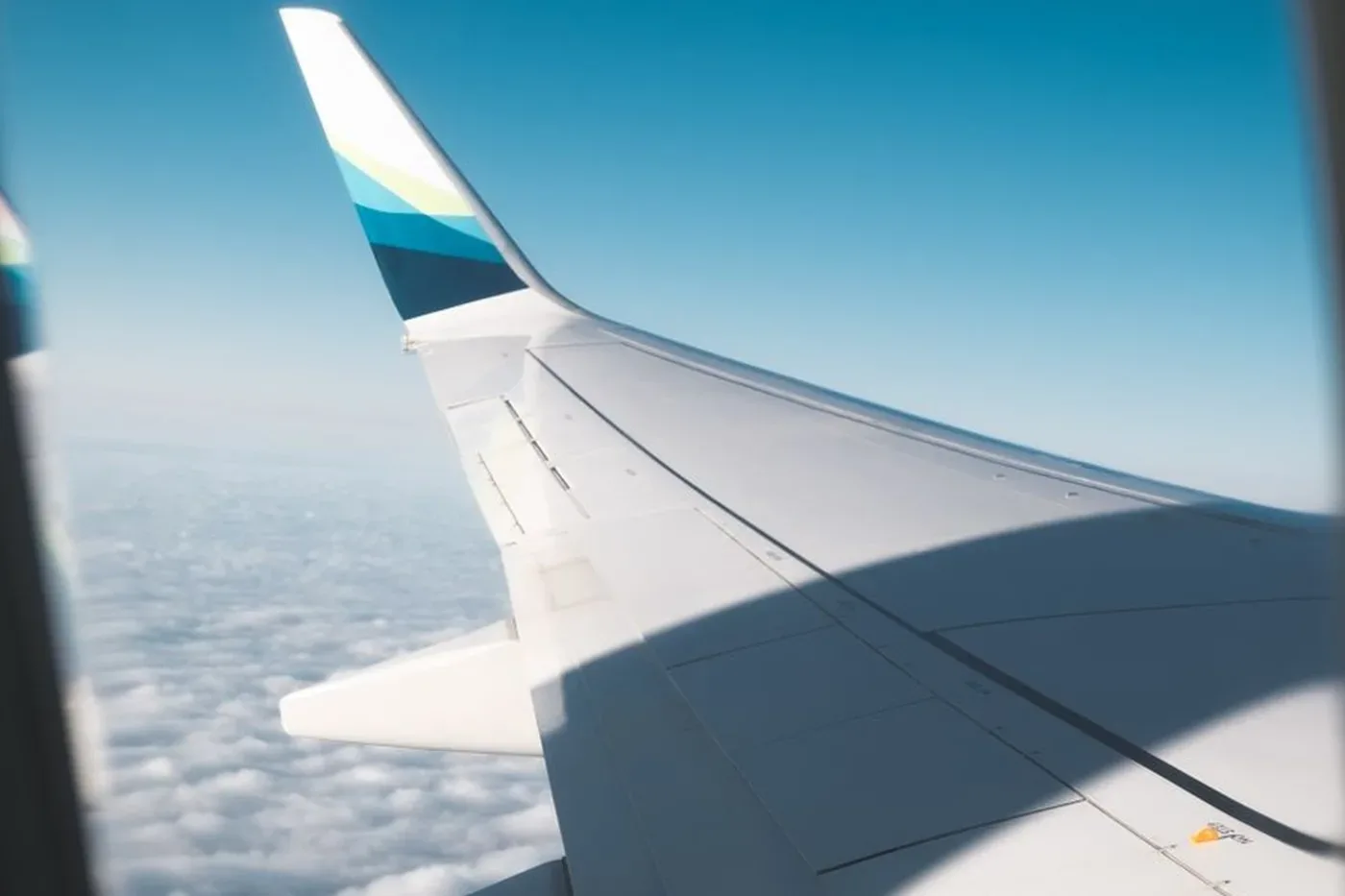
Many people have sat on a plane and suddenly felt a tooth ache, even though they had eaten normally before the trip. The same can happen when climbing a high mountain or diving deep. The trigger is a change in pressure, but the source is usually a tooth that already had a problem.
Why does pressure make a tooth hurt?
When a plane climbs, air pressure drops. If a tooth has a small hollow containing air or inflamed fluid, the air expands and presses on the nerve. Places where this often happens include:
- Deep decay close to or already reaching the nerve.
- An old filling with a gap or a hollow space beneath it.
- A tooth that has had root canal treatment but still has infection at the tip.
- Sinus inflammation, which can feel like a toothache. See whether upper tooth pain is a sinus infection.
What to do while in the air
- Chew sugar free gum or swallow small sips of water to balance the pressure.
- Avoid very cold or very hot drinks on the sore tooth.
- Keep your head up, breathe steadily and relax.
- If needed, an over the counter pain reliever can be used as directed on the packaging, and ask a doctor first if you have other conditions.
The pain usually eases after landing, but this does not mean the tooth has recovered. See a dentist as soon as you can, and read what to do about a toothache and when to go right away.
Preparing your teeth before a trip
If you have a long flight or a trip to a high place coming up, have a check up at least a few weeks before. Decayed teeth, old fillings and unfinished treatment should be dealt with first. Avoid tooth extraction or major procedures just before the day you fly.
When should you visit Ky Hoa Dental Clinic?
Please come in if the toothache continues after the trip, hurts at night, or comes with swollen gums or a swollen cheek. Nha Khoa Ky Hoa is at 266A - 268, 3 Thang 2 Street, Hoa Hung Ward, Ho Chi Minh City. You can walk in during opening hours, or call the hotline 028.3868.1097 to ask about quieter times first.
Frequently asked questions
Why does a tooth hurt only on a plane and not normally?
Lower air pressure makes air or inflamed fluid inside the tooth expand and press on the nerve. The tooth already had a problem that simply did not show clearly at normal pressure.
Will a toothache on a flight go away after landing?
The pain often eases when pressure returns to normal, but the cause is still there. It is better to have it treated before it comes back.
Should I have a tooth pulled before a flight?
It is better not to have an extraction or major procedure right before flying. Have your teeth checked and any problems treated at least a few weeks beforehand.