
Where is the line between a cavity that can still be filled and a tooth that needs root canal treatment? A few signs point the way, and one trap sends many people to the dentist far too late.
- Signs that decay has reached the pulp: pain with no trigger, pain worse at night, an ache lingering minutes after cold, and pain radiating to the temple or ear.
- ⛔ Pain stopping is not recovery. It often stops because the pulp has died, while infection continues towards the tissue around the root tip.
- The signs point in a direction only. Pulp testing and a dental X-ray are needed to establish the extent of the damage.
- Treating dentine decay and root canal treatment are considered within health insurance cover when prescribed; a crown afterwards is paid privately.
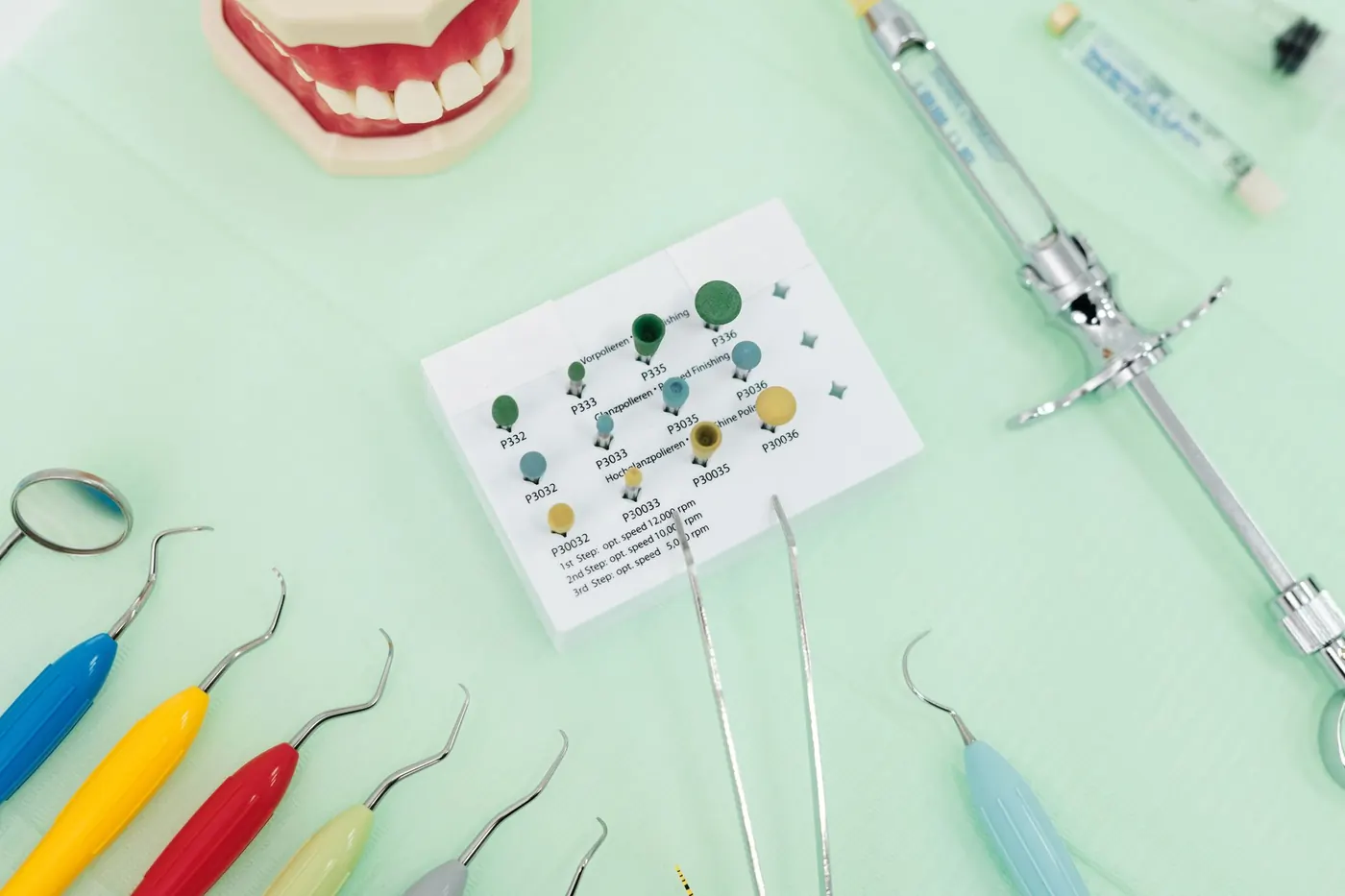
A tooth has been decayed for a while and the pain has grown worse over the past few days, especially at night. Can it still be filled, or has it reached the point of needing root canal treatment? This article describes the usual signs, and explains why an examination is still needed to be sure.
What the pulp is, and what happens when decay reaches it
Inside every tooth is a chamber holding blood vessels and nerves, called the pulp. The outer enamel has no sensation, the dentine beneath it transmits sensation, and the pulp at the centre is where pain is felt.
While a cavity is confined to enamel and shallow dentine, the tooth usually twinges at cold, sweet or sour, and the feeling stops the moment the trigger is removed. Once decay reaches and enters the pulp, bacteria inflame tissue inside a sealed chamber that cannot expand, and the character of the pain changes completely.
Signs that decay has reached the pulp
- Pain with no trigger. The tooth hurts while you are eating and drinking nothing at all. This is the most telling sign.
- Pain that is worse at night or on lying down, often enough to wake you.
- Pain that lingers after a trigger. A mouthful of cold water sets off an ache that carries on for several minutes rather than fading at once. Quite unlike the brief twinge of a sensitive tooth.
- Radiating pain spreading to the temple, the ear or the opposite jaw, so that you cannot point to which tooth is responsible.
- Pain on biting or when the tooth is tapped, suggesting inflammation has spread around the root tip.
- The tooth darkening compared with its neighbours, common where the pulp has been damaged for some time or the tooth was once knocked.
- Swollen gum or a small pus spot near the root, sometimes with a bad smell or taste.
Not every case shows all of these. Some people have only one or two, and in others the pulp is damaged with almost no pain at all, which is more common in older patients and in slowly progressing decay.
The trap: pain stopping is not recovery
This is the most important point in the article. Many people endure severe pain for a few days, then find it disappears, and take that as a reason not to seek care.
In a good number of cases the pain stops because the pulp has died, so there is no living nerve left to signal. The tooth remains infected and the process continues quietly down towards the tissue around the root tip, forming an inflammatory focus in the bone. It returns weeks or months later as facial swelling or an abscess, and treatment at that stage is considerably more involved.
So a tooth that hurt badly and then stopped is a reason to be examined, not a reason to relax.
Why this cannot be settled at home
The signs above point in a direction without confirming it, for two reasons. First, other conditions produce similar pain, including a cracked tooth, periodontal disease, or an erupting wisdom tooth. Second, the extent of pulp damage decides the treatment, and that only becomes visible on examination.
A dentist normally combines a careful history of the pain, examination of the tooth, pulp testing with hot and cold, percussion, and a dental X-ray to see how deep the lesion runs and what the tissue around the root tip looks like.
Treatment and the health insurance side
- Decay not yet at the pulp: the decayed tissue is removed and the tooth is filled.
- Pulp inflamed or dead: root canal treatment, meaning the canal system is cleaned and sealed, then the crown of the tooth is rebuilt.
- A badly broken tooth after root canal treatment: the dentist may suggest a crown to protect what remains.
On cost, treating dentine decay and root canal treatment fall within the scope considered for health insurance when prescribed by the dentist, while a ceramic crown afterwards is paid privately. Many cases therefore run as two parts with two different calculations.
When to be seen straight away
- Facial swelling, swelling under the jaw, or fever.
- Severe pain that does not settle, with several sleepless nights.
- Difficulty opening the mouth or swallowing.
- A discharging pus spot on the gum.
If your tooth matches what is described here, an early examination is worth arranging, because the longer it waits the less of the tooth can be kept. Ky Hoa Dental is at 266A - 268, 3 Thang 2 Street, Hoa Hung Ward, Ho Chi Minh City, open Monday to Saturday, and accepts health insurance for services within the scope of cover.
Frequently asked questions
Does pain at night mean the decay has reached the pulp?
Pain with no trigger and pain that is worse at night both point strongly to pulp inflammation, particularly when an ache lingers for several minutes after cold water. Other conditions such as a cracked tooth or an erupting wisdom tooth can produce similar pain, so an examination and an X-ray are still needed to be sure.
The tooth hurt badly and then stopped. Do I still need to see a dentist?
Yes, and this is the situation most often ignored. Pain frequently stops because the pulp has died and can no longer signal, while the infection continues down towards the tissue around the root tip. It returns later as facial swelling or an abscess, and treatment is more involved by then.
Is root canal treatment covered by health insurance?
Treating dentine decay and root canal treatment fall within the scope considered for health insurance cover when prescribed by the dentist. A ceramic crown after root canal treatment is paid privately. The level of cover depends on the category recorded on your card.