
People who have taken blood pressure medication for years often mention a dry, burning mouth, food tasting flat, and a tongue that sticks on waking. It is not a small thing: a mouth that stays dry quietly wears teeth down faster.
- Dry mouth in older adults is often a response to the medication being taken, commonly blood pressure and heart medicines, allergy medicines and sedatives.
- Without enough saliva, plaque and acid are not washed away in time, so teeth decay more easily, gums inflame and denture wearers find the denture rubs and hurts.
- Do not stop your blood pressure medication just because of dry mouth; at Ky Hoa Dental the dentist and internal medicine doctor are in the same place, so a joint consultation is possible when needed.
- Sipping water in small amounts through the day, cutting back on sweets, coffee, alcohol and tobacco, and chewing sugar-free gum all help the mouth feel less dry.
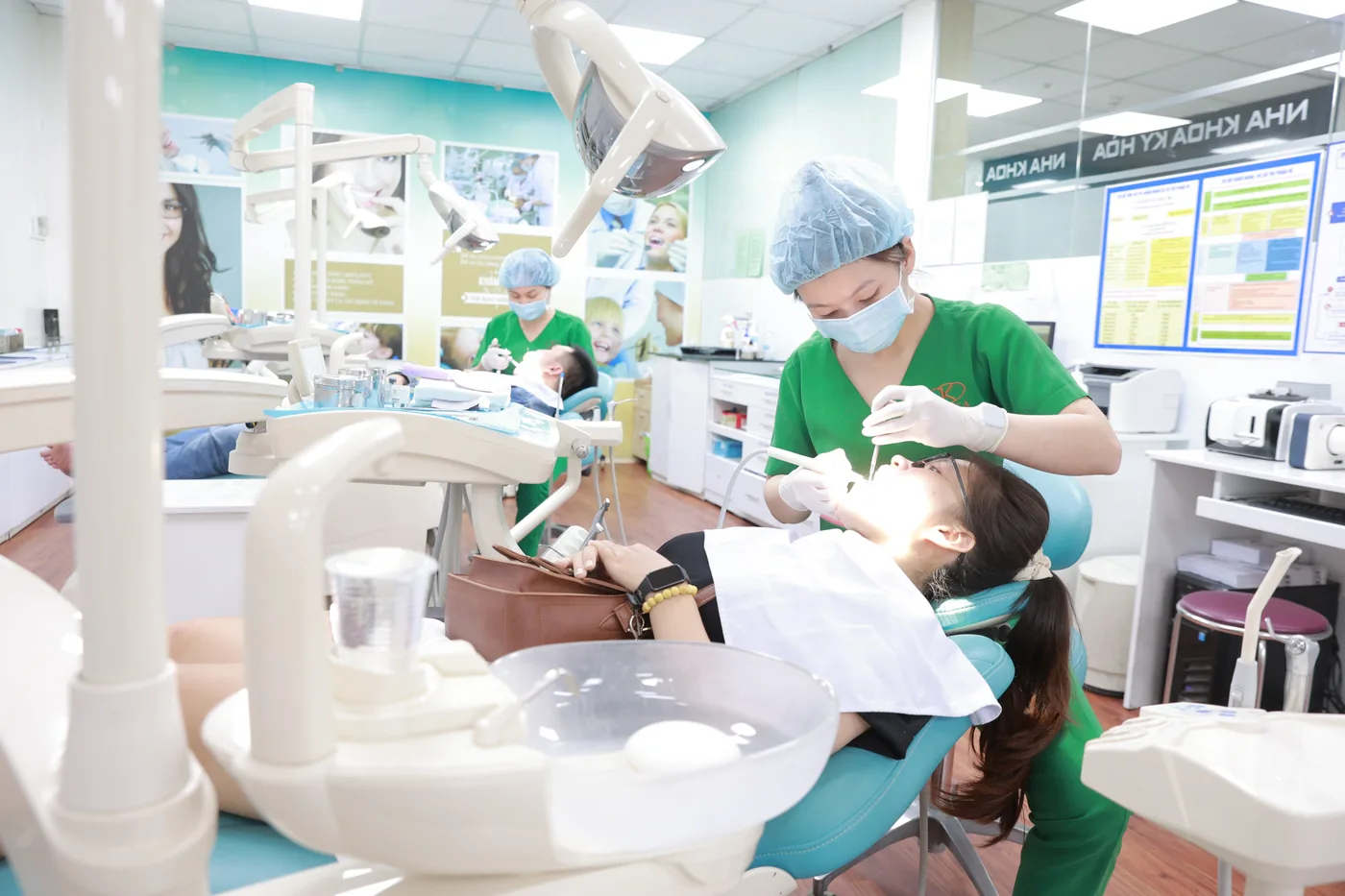
Older patients often ask us: "I take my blood pressure medicine faithfully, so why is my mouth so dry lately, and why does my food taste of nothing?" That dry feeling sounds trivial, but left long enough it connects directly to the state of your teeth. This article explains why medication dries the mouth and what you can gently do about it.
Why does medication dry out the mouth?
Saliva is produced by glands in the mouth. It keeps tissues moist, washes away food debris and neutralises acid. Several groups of medicines reduce how much saliva you produce, so the mouth turns dry. The ones most often involved in older adults are:
- Blood pressure and heart medicines: particularly diuretics and some antihypertensives, which reduce the water the body holds on to.
- Allergy and decongestant medicines (antihistamines).
- Antidepressants, sedatives and bladder medicines.
The older we get, the more slowly the salivary glands work, and older adults often take several medicines at once, so the dryness becomes more noticeable. This is a response to the medication, not something you have done wrong.
What long-term dry mouth does to your teeth
Saliva works like a natural rinse inside the mouth. Without enough of it, plaque and bacteria build up more easily and acid is not neutralised in time, so enamel comes under greater attack. The usual consequences are:
- Decay appearing faster, including on root surfaces already exposed with age.
- Gums inflaming easily, heavy breath odour, a burning tongue.
- Removable denture wearers finding the denture rubs, hurts and no longer sits securely.
Dry mouth in older adults is therefore worth attending to early rather than waiting until a tooth hurts. You may also want to read our article on dental care after 60 for more on keeping teeth sound as the years go by.
Easing dry mouth at home
Plenty of small daily habits help the mouth feel less dry and protect the teeth. Try adding them gradually:
- Sip water in small amounts throughout the day, and keep a glass by the bed to sip when your mouth feels dry.
- Cut back on sweets, soft drinks and sticky confectionery, because sugar causes more damage when the mouth is dry.
- Go easy on coffee, strong tea, alcohol and tobacco, all of which dry the mouth further.
- Chew sugar-free gum to stimulate saliva flow.
- Brush twice a day with fluoride toothpaste and use dental floss; if you wear a denture, take it out and clean it daily.
- A gentle alcohol-free mouthwash can help, and a humidifier in the bedroom eases night-time dryness.
These measures reduce the discomfort, though how much improvement you notice varies from person to person.
Do not stop your blood pressure medication on your own
The most important message from your doctor: do not stop or reduce your blood pressure medication just because of dry mouth. That medication is keeping your blood pressure stable, and stopping it suddenly can be far more dangerous than a dry mouth. What you should do is tell the doctor who prescribed it so that any adjustment can be considered properly, rather than deciding at home.
This is exactly where a dental visit inside a general medical centre helps. At Ky Hoa Dental, the dentist and the internal medicine doctor work in the same place, so when needed they can hold a joint consultation covering both your dental care and your medication and underlying conditions, which is reassuring for anyone with high blood pressure, heart disease or diabetes. If you live with an underlying condition, it is also worth reading about the link between diabetes and periodontitis.
When should you see a dentist?
Book a visit if the dryness persists alongside sensitive teeth, bleeding gums, heavy breath odour, or new decay you have noticed. When dental disease is treated at a facility contracted for health insurance examination and treatment, cardholders can use their health insurance card for items such as the examination, scaling where indicated, fillings and root canal treatment, so the cost is usually lower. Self-pay reference figures for scaling and fillings are published on our price list and depend on what the dentist finds, and Ky Hoa always gives a clear quote before treatment. If you are unsure about your own situation, come in for an examination and consultation so the dentist can look directly and guide you. There is nothing to feel awkward about.
Frequently asked questions
Will dry mouth from blood pressure medication go away by itself?
The dryness usually persists while you continue the medication, but it can be eased by sipping water regularly and cutting back on sweets and coffee. How much it improves varies from person to person. Do not stop the medication yourself; speak to the doctor who prescribed it so any adjustment can be considered.
Does dry mouth really make teeth decay more easily?
Yes. Saliva washes away plaque and neutralises acid, so when the mouth stays dry, bacteria and acid damage enamel more readily, and decay and gum inflammation appear faster, especially in older adults.
Can I use my health insurance card for a dental visit about dry mouth at Ky Hoa?
When you are examined and treated for dental disease such as decay, gum inflammation or scaling where treatment is indicated, cardholders can use health insurance at Ky Hoa. Cosmetic services such as whitening or crowns fall outside the scope of insurance.