
A natural tooth that becomes darker than its neighbours, even without pain, may be a tooth whose nerve has died. In most cases the tooth can still be saved.
- A tooth with a dead nerve often turns grey, dark yellow or dark brown because substances from dead pulp seep into the dentin.
- Such a tooth may not hurt but can still have a silent infection at the root tip.
- In many cases root canal treatment can save the tooth, and removal is only advised when it cannot be kept.
- A colour change, a pimple like bump or pain on biting is a reason to be seen early.
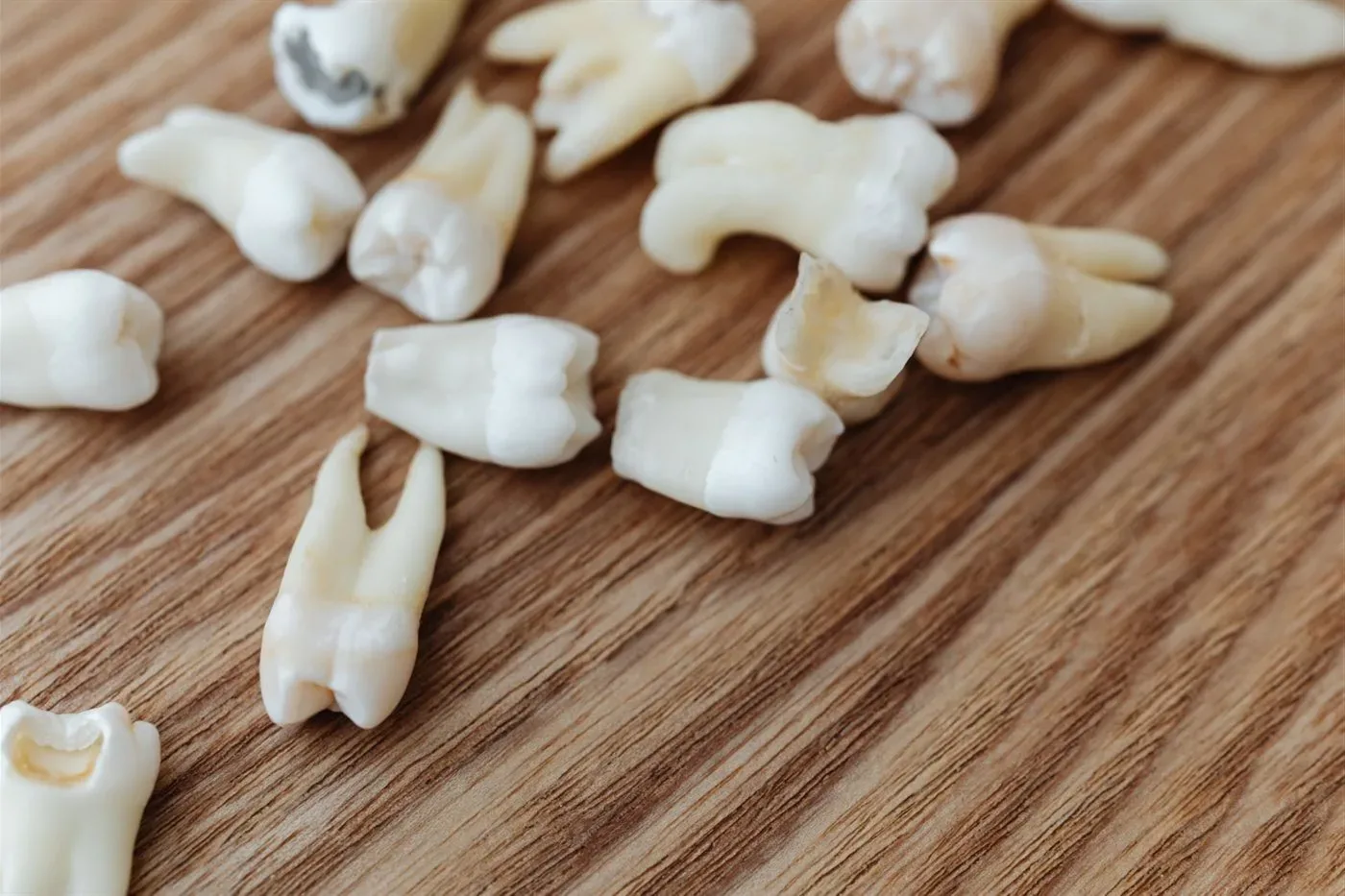
Many people notice that one tooth, often a front tooth, gradually becomes darker than the teeth beside it, grey or dark brown, with no aching at all. This may be a sign that the nerve of the tooth has died, and if it is not treated there may already be a silent infection underneath.
Why does a tooth with a dead nerve change colour?
The pulp of a tooth contains blood vessels and nerves. After a hard knock, deep decay or infection, the pulp can die. Substances from the blood and the dead pulp seep into the dentin and turn the tooth grey, dark yellow or dark brown.
Does a tooth with a dead nerve hurt?
Not always. Many such teeth no longer feel anything, so you notice nothing, while infection can still develop at the root tip and may cause:
- A swollen gum, a pimple like bump or a fistula on the gum, see what a pimple or bump on the gum means.
- Pain on biting or pain at night.
- A swollen cheek and bad breath.
Must a tooth with a dead nerve be removed?
Not always. If the body of the tooth is still strong enough, the dentist can treat the root canal to keep the tooth, see how many visits root canal treatment takes and how long. After treatment the tooth usually needs careful restoration to protect it. Only when the tooth is too broken, infection has spread widely or the root cannot be kept will the dentist advise removal.
Signs to be seen early
- One tooth clearly changed colour compared with the others.
- A pimple like bump, swollen gum or swollen cheek.
- Pain on biting, or a feeling that the tooth sits higher than normal.
You can also read how to know whether decay has reached the nerve to recognise it earlier.
When should you visit Ky Hoa Dental Clinic?
When a tooth changes colour, even without pain, come so the dentist can examine it and take an X-ray. Nha Khoa Ky Hoa is at 266A - 268, 3 Thang 2 Street, Hoa Hung Ward, Ho Chi Minh City. You can walk in during opening hours, or call the hotline 028.3868.1097 to ask about quieter times first.
Frequently asked questions
Should a grey tooth that does not hurt still be checked?
Yes. A tooth with a dead nerve often does not hurt but may have a silent infection at the root tip, so it needs examination and an X-ray.
Can a tooth with a dead nerve be saved?
Often root canal treatment can keep it if the body of the tooth is strong enough. If it is badly broken or cannot be kept, the dentist will advise removal.
Why does a tooth with a dead nerve change colour?
Substances from the blood and the dead pulp seep into the dentin and make the tooth grey, dark yellow or dark brown.