
Straight after an extraction, most people wonder what they can safely eat without causing pain or fresh bleeding. The first two days are when the blood clot forms in the socket, and eating sensibly helps the wound settle and close over.
- For the first 48 hours the blood clot in the socket acts as a protective lid, so every eating guideline exists to keep it from being dislodged early.
- Choose cool, soft, easy-to-swallow food such as congee and soup left to cool, yoghurt, mashed potato and steamed egg, and chew on the side away from the extraction.
- Avoid vigorous rinsing, straws, tobacco, alcohol and anything too hot, spicy, hard or crunchy for the first two days after the extraction.
- Contact Ky Hoa Dental if bleeding has not stopped after biting on gauze for more than an hour, if pain increases after 2 to 3 days, or if there is marked swelling, fever or difficulty opening your mouth.
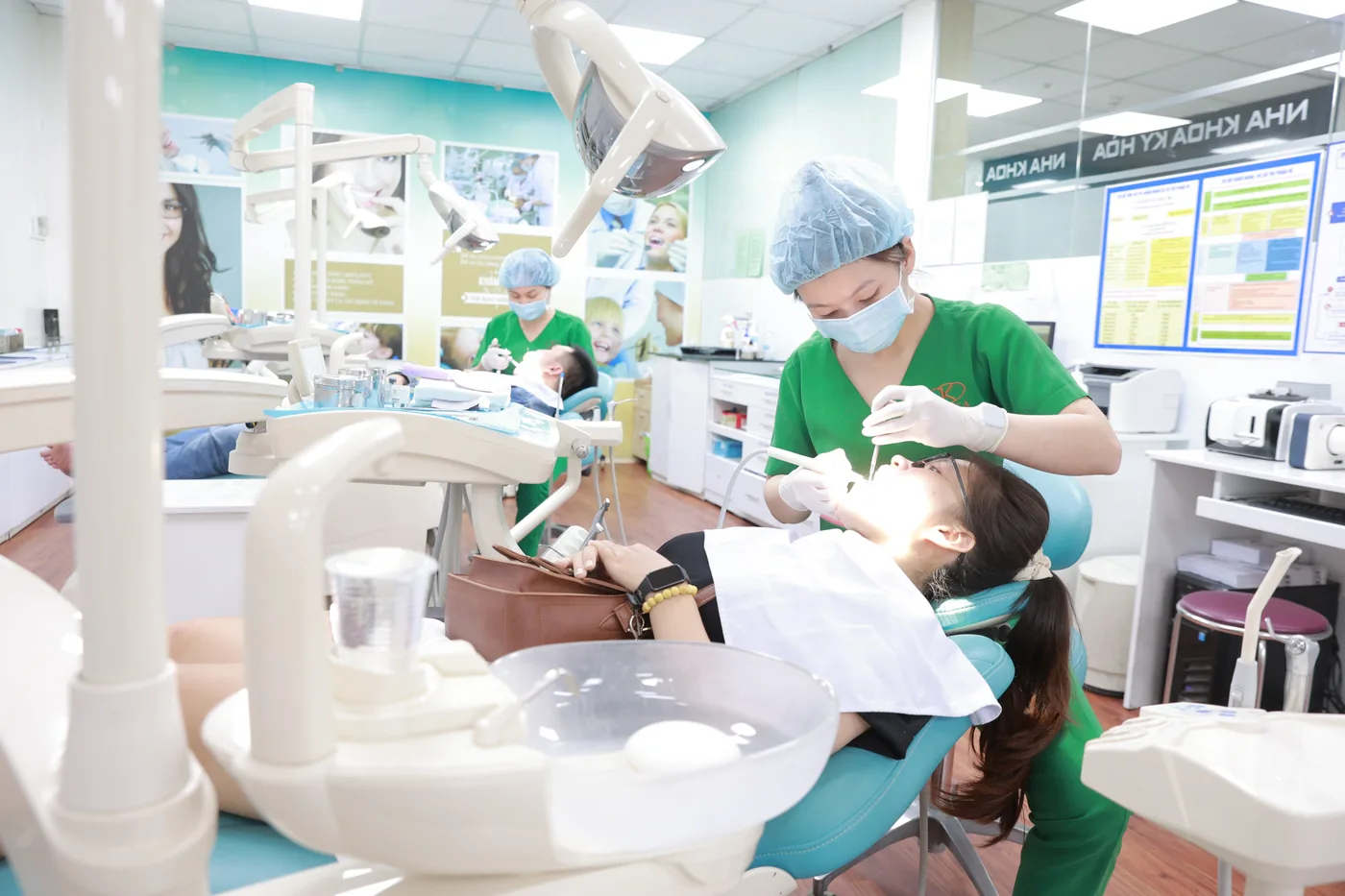
After a tooth is removed, your body forms a blood clot in the empty socket. That clot acts like a lid protecting the bone and nerve endings underneath while the wound heals. Eating gently and sensibly for the first 48 hours is really about keeping that lid in place. This article sets out how to care for the area and what to choose for those first two days.
The first few hours: biting on gauze and cold compresses
As soon as you leave the chair, a piece of cotton wool or gauze will be placed over the site. Bite down gently and hold the gauze in place for about 30 to 45 minutes so the bleeding stops. Try not to talk much or keep taking it out to look. A little pink in your saliva on the first day is normal and nothing to worry about.
During those first few hours, if your cheek swells slightly, you can apply a cold compress to the outside of the cheek for about 15 minutes at a time with breaks in between. A cold compress reduces swelling and eases discomfort. Also bear in mind that while the anaesthetic is still working, your lip and tongue remain numb, so hold off eating for a while to avoid biting your cheek or tongue without feeling it.
What to eat in the first 48 hours after an extraction
The rule for the first two days is cool, soft, easy to swallow and requiring little chewing. Chew on the side away from the extraction so the wound is left in peace. Some easy options:
- Congee, soup and broth left to cool a little - pleasantly warm rather than hot, since hot food can restart bleeding.
- Yoghurt, milk and soft cheese - cool, nourishing and needing no chewing.
- Mashed potato, steamed egg and silken tofu - soft while still providing nutrition.
- Smoothies and soft ripe fruit such as banana or avocado. Eat them with a spoon rather than through a straw.
Drink enough plain water so you do not feel run down. Several small meals are easier than forcing down one large one. When you are hungry and cooking is inconvenient, a pot of yoghurt or a glass of milk is enough to see you through.
What to avoid so the wound settles
A few habits that seem harmless can dislodge the blood clot, leaving the socket slow to heal and more painful. For the first 48 hours, avoid:
- Vigorous rinsing and spitting - the force of the water can wash the clot away. On the first day let water run out gently, and only from the next day start rinsing very gently with warm salt water.
- Drinking through a straw - the suction inside the mouth also dislodges the clot easily.
- Tobacco and alcohol - both slow healing and raise the risk of a painful socket infection.
- Food that is too hot, spicy, hard or crunchy such as nuts, crisps and fried food, because fragments easily lodge in the socket.
- Touching the site with your tongue or fingers - leaving it alone is what lets the socket close over faster.
As for hygiene, carry on brushing normally elsewhere, simply brushing gently and keeping away from the wound itself on the first day.
Taking your medication and when to call the clinic
Your dentist will usually prescribe pain relief, and sometimes an antibiotic depending on the case. Take the correct dose at the correct times as prescribed, and do not stop or increase it on your own. Mild tenderness for the first few days is to be expected and normally eases; how much you feel depends on the state of the tooth and on each person's individual response. With an impacted wisdom tooth, swelling and tenderness may be somewhat greater. Our article on what wisdom tooth extraction feels like gives you an idea of what to expect.
Please contact the clinic if you notice any of the following:
- Heavy bleeding that has not stopped after biting on gauze for more than an hour.
- Pain that increases after 2 to 3 days instead of easing, along with an unpleasant smell from the socket.
- Marked swelling, fever, or difficulty opening your mouth or swallowing.
These can be signs of a dry socket or an infection, and the dentist needs to review the area promptly.
If the tooth was removed because of disease (decay, pulp inflammation, a failed root and so on), you can use your health insurance card for an extraction at Ky Hoa to reduce the cost. At Ky Hoa Dental, the dental specialty department of Ky Hoa Medical Center, costs are stated clearly before treatment, and for anyone living with heart disease or diabetes an internal medicine doctor in the same centre is available for a joint consultation. To read more about the procedure, see our tooth extraction service, or call our hotline 028.3868.1097 (Zalo 082.299.3377) during opening hours, Monday - Saturday, 06:30 - 17:00 (closed Sunday). Caring for your mouth after an extraction is not difficult; be gentle with yourself for a few days and the wound will settle.
Frequently asked questions
How long after an extraction can I eat?
Wait until the anaesthetic has worn off, usually about 2 to 3 hours after the extraction, so you do not bite your cheek or tongue while still numb. For the first meal choose something cool and soft such as congee or soup left to cool, or yoghurt, and chew on the side away from the extraction.
Can I drink milk or coffee after an extraction?
Milk and yoghurt are excellent because they are cool and nourishing; just take them from a glass or a spoon rather than through a straw. Let coffee and tea cool down and keep them to a minimum for the first two days. Alcohol and tobacco are best avoided altogether, as they slow healing.
When should I call the clinic after an extraction?
Get in touch if heavy bleeding has not stopped after biting on gauze for more than an hour, if pain increases after 2 to 3 days along with an unpleasant smell from the socket, or if there is marked swelling, fever or difficulty opening your mouth. These can be signs of a socket infection that the dentist should review promptly.