
Many parents assume a damaged baby tooth is no great loss, since it will fall out anyway. But baby teeth that break down early can affect the permanent teeth that follow.
- Baby teeth hold space for the permanent teeth to come through in the right position, so a badly decayed baby tooth removed early can leave the permanent teeth crowded and misaligned.
- Early decay in children usually starts with sweets and sugary drinks sipped throughout the day, falling asleep with a bottle, and brushing that is not done properly.
- The early signs to watch for are chalky white spots or brown and black streaks on a tooth, sensitivity while eating, and small holes that trap food.
- Children with a health insurance card, including student health insurance, are entitled to benefits when treated for dental disease at Ky Hoa Dental, such as fillings for decay or root canal treatment.
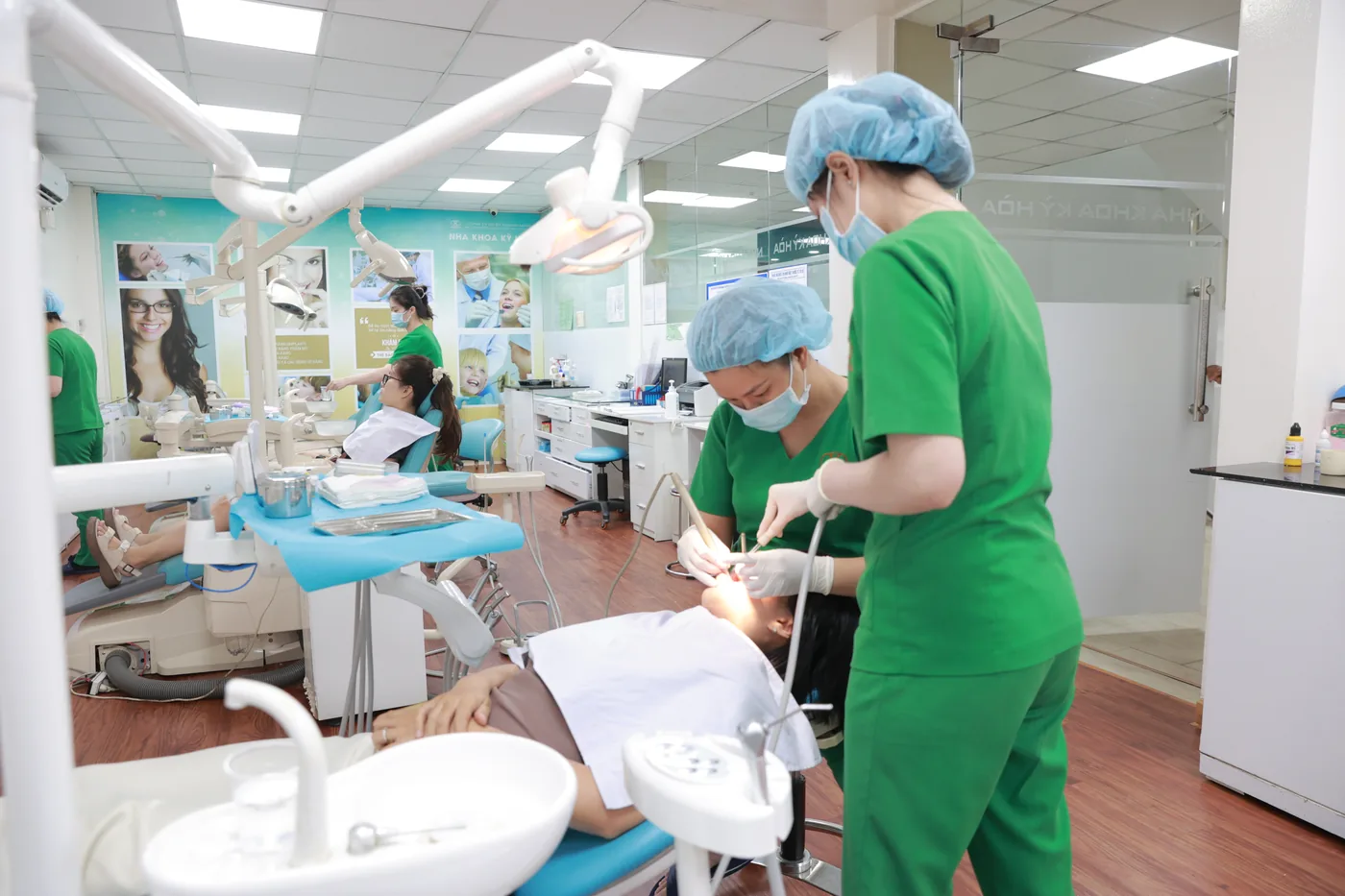
Parents often ask us the same question: "Baby teeth fall out anyway, so does a little decay really matter?" It sounds reasonable, but baby teeth carry more responsibility than most people realise. They let a child chew, they support speech development, and most importantly they hold space so the permanent teeth come through in the right position. When a badly decayed baby tooth has to be removed early, the neighbouring teeth tend to drift, and the permanent teeth that follow can come in crowded and misaligned.
Why baby teeth still matter even though they will be replaced
Baby teeth are not only for chewing. They take part in how a child forms sounds, they give a child confidence when talking and smiling, and they act as space holders for the permanent teeth. A healthy baby tooth falls out at the right time and makes way for the new one. A baby tooth with decay deep into the pulp, by contrast, hurts; the child stops eating properly, sleeps poorly and struggles at school.
On top of that, a cavity is a shelter for bacteria. Those bacteria can spread to other teeth, including permanent teeth that have only just emerged. Looking after your child's baby teeth is really laying the foundation for the adult smile to come.
What causes early decay in children
Decay in children usually starts with very ordinary habits that families do not think twice about:
- Sweets and sugary drinks: biscuits, sweets, soft drinks and sweetened milk sipped throughout the day keep the teeth soaking in sugar.
- Bottle feeding at night: letting a child fall asleep with a bottle in the mouth is one of the most common causes of early childhood decay.
- Brushing that is skipped or not done properly: young children cannot clean their own teeth thoroughly, and without a parent's help plaque builds up quickly.
- Thin enamel on baby teeth: a child's enamel is thinner than an adult's, so bacteria get through more easily.
Signs that something is wrong with your child's teeth
Early decay is quiet. The child feels nothing yet, so parents rarely notice. Keep an eye out for these signs:
- Chalky white spots or brown and black streaks appearing on the tooth surface.
- Your child complains of sensitivity to hot, cold or sweet food.
- A small hole in a tooth that food keeps getting stuck in.
- Bad breath, or your child chewing only on one side.
When a child complains of a lot of pain, or the gum or cheek swells, the decay has usually reached the pulp. At that point it is best to bring your child in early so the dentist can deal with it before it affects the permanent tooth developing underneath.
Preventing decay and caring for your child's teeth at home
Prevention is always gentler than treatment. A few things you can do every day:
- Brush twice a day with a soft-bristled brush. For children under six, brush alongside them or go over their teeth again afterwards.
- Limit sweets and sugary drinks, especially before bed, and drop the habit of falling asleep with a bottle.
- Give your child plain water after meals to rinse the mouth a little.
- Book a check-up every six months so the dentist can catch spots of decay while they are just starting.
If a cavity has already formed, the dentist may recommend a filling to stop the decay spreading, depending on what they find. You can read more about our dental filling service to get a sense of the process. Outcomes vary from child to child, so the dentist will examine your child carefully before advising on the right approach.
When to book the first dental visit, and how health insurance fits in
The general advice is to bring your child for a first dental visit around the time the first baby tooth appears, or around their first birthday, and then keep up regular check-ups. Coming in early helps a child get used to dental care and helps parents learn the right cleaning technique.
Something many families do not know: children with a health insurance (BHYT) card, including student health insurance, are entitled to benefits when they are treated for dental disease at a facility contracted with the social insurance agency. In other words, when your child has decay, pulp inflammation or gum inflammation and treatment is indicated, items such as fillings for decayed teeth, root canal treatment and extractions for disease fall within the scope of health insurance cover. At Ky Hoa Dental you can use your child's health insurance card for their dental visit, and you receive a clear quote before treatment begins. If you would like the full picture, see our article on what health insurance covers for dental visits.
To be clear on the other side: cosmetic services such as whitening, braces or crowns are not covered by health insurance. Treatment for actual disease is, and the benefit level of 80%, 95% or 100% within the covered scope depends on the category recorded on the card.
If you notice an odd spot on your child's tooth or your child mentions sensitivity, bring them in and let the dentist take a look. Problems caught early are much simpler to treat. Ky Hoa Dental is open Monday - Saturday, 06:30 - 17:00 (closed Sunday), and you can call our Hotline 028.3868.1097 or message Zalo 082.299.3377 to book a time and avoid waiting.
Frequently asked questions
My child has a decayed baby tooth. Should we treat it or wait for it to fall out?
It is better to treat it. Baby teeth hold space for the permanent teeth and help your child chew and speak. If decay goes far enough that the tooth has to come out early, the permanent tooth can come through out of position. Depending on what the dentist finds, they will advise whether a filling or another treatment suits your child.
How old should a child be for their first dental visit?
The general advice is a first visit when the first baby tooth appears or around the first birthday, then check-ups roughly every six months. Coming in early lets the dentist spot decay while it is just starting and helps parents learn how to care for their child's teeth properly.
Does student health insurance help with treating decay in children?
Yes. When a child is treated for dental disease such as decay, pulp inflammation or gum inflammation and treatment is indicated at a facility contracted for health insurance examination and treatment, the health insurance card (including student health insurance) covers costs within the entitled scope. At Ky Hoa you can use your child's card for their dental visit and you get a clear quote before treatment.