
Diluted warm salt water is a simple way to soothe the lining of the mouth and keep small wounds clean. But it cannot treat decay, an inflamed nerve or an abscess, and mixing it too strong can make soreness worse.
- Diluted warm salt water cleans and soothes the mouth after ulcers or extractions.
- Mix about half a teaspoon of salt in 200 ml of warm water and rinse two to four times a day.
- Avoid vigorous rinsing in the first 24 hours after an extraction.
- Salt water cannot treat decay or nerve inflammation and does not replace brushing.
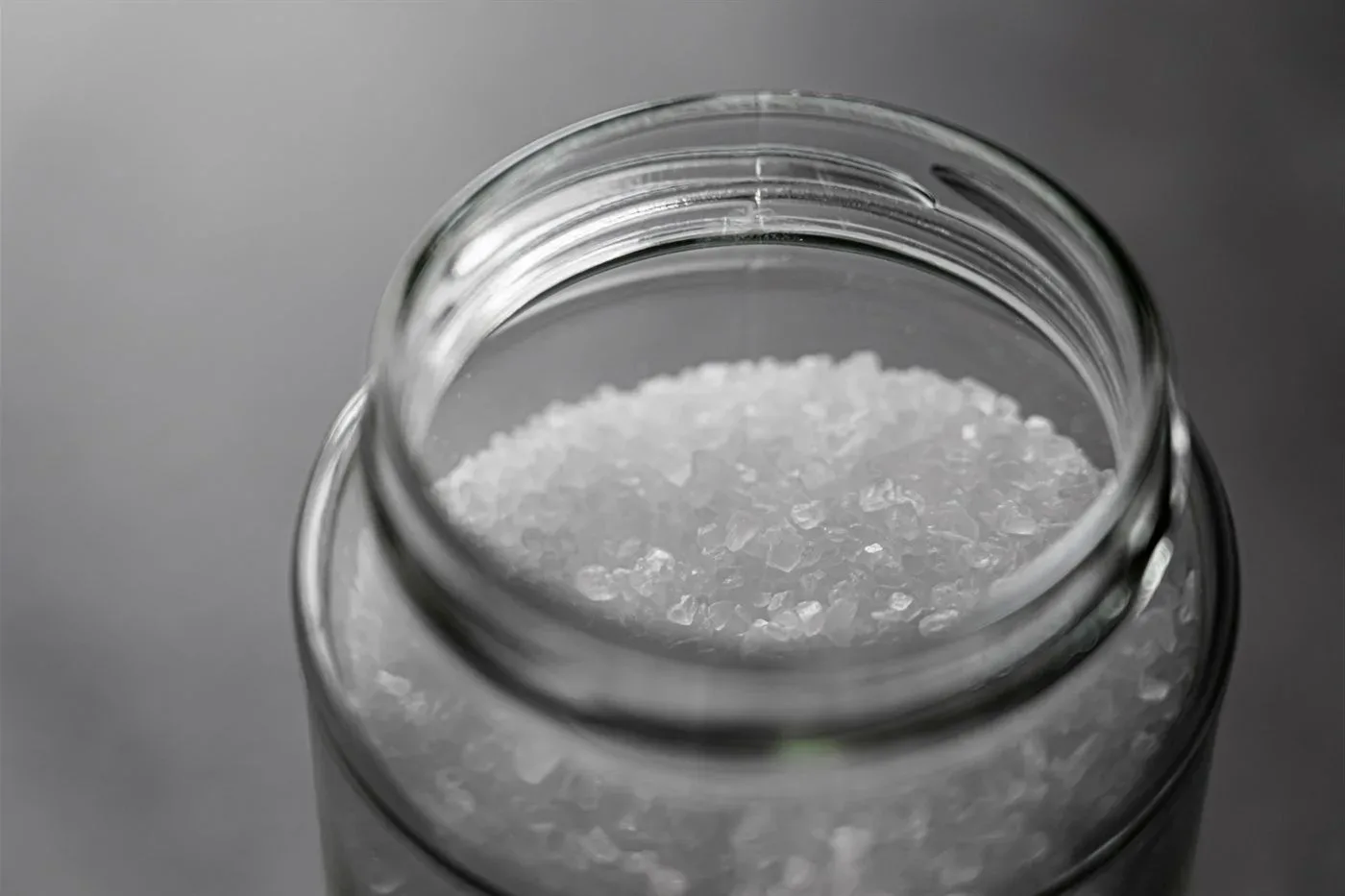
When someone has a mouth ulcer, a sore throat or has just had a tooth removed, many families reach for a glass of warm salt water. It is easy, cheap and useful in certain situations. Still, salt water has limits that are worth knowing.
What does warm salt water do?
- Mechanical cleaning: the rinse washes away food debris around wounds and ulcers.
- Soothing the lining of the mouth: warm water and mild salt can ease stinging and reduce mild gum swelling.
- A less friendly environment for bacteria for a short time, which supports healing.
Dentists often recommend salt water rinses from the second day after an extraction, for mouth ulcers, mild gum inflammation, small burns or scrapes inside the mouth and sore throats from a cold.
How to mix and rinse correctly
- Use about 200 ml of boiled water that has cooled to warm, not hot.
- Stir in about half a teaspoon of salt until dissolved. It should taste only slightly salty, like a light soup.
- Take a mouthful, swish it gently for 20 to 30 seconds and spit it out. Repeat a few times.
- Rinse two to four times a day, after meals and before bed.
- Make a fresh glass each time and do not keep it until the next day.
After an extraction, do not rinse vigorously in the first 24 hours, so the blood clot is not dislodged. From the second day, just hold the water in your mouth and tilt your head gently to let it run out. See when you can brush and rinse after an extraction.
What salt water cannot do
- It cannot fix a cavity, an inflamed nerve or an abscess. The pain may ease for a while, but the infection remains.
- It cannot replace brushing and flossing because it does not remove plaque.
- It does not dissolve tartar.
When to limit it or see a dentist
- Do not make it too salty and do not rub salt grains on your teeth; see is brushing with salt good.
- People on a low-salt diet for heart, kidney or blood pressure problems should spit it out and not swallow.
- Young children who cannot spit yet should not rinse with it.
- Cheek swelling, fever, increasing pain or an ulcer lasting over two weeks need a check-up rather than more rinsing.
To compare with ready-made mouthwashes, read do you need mouthwash.
Nha Khoa Ky Hoa is at 266A - 268, 3 Thang 2 Street, Hoa Hung Ward, Ho Chi Minh City. Hotline 028.3868.1097, Zalo 082.299.3377.
Frequently asked questions
Is rinsing with salt water every day harmful?
Diluted salt water is generally safe for short periods. There is no need to use it all the time when your mouth is healthy, because brushing and flossing are the main care.
Can I use ready-made saline to rinse my mouth?
Yes. Saline has a mild, clean concentration and is convenient for rinsing.
Will a salt water rinse stop toothache?
It may ease pain for a while if food is stuck, but pain from decay or an inflamed nerve needs treatment by a dentist.