
Coarse salt and charcoal powder are both abrasive. Rubbing them on teeth over time can wear enamel and tooth necks and cause sensitivity, and neither protects against decay the way fluoride toothpaste does.
- Coarse salt and activated charcoal are abrasive and can wear enamel and tooth necks over time.
- Thinner enamel lets yellow dentine show through and makes teeth more sensitive.
- Salt and charcoal contain no fluoride, so they do not help prevent decay.
- Fluoride toothpaste, a soft brush and regular professional cleaning are a better choice.
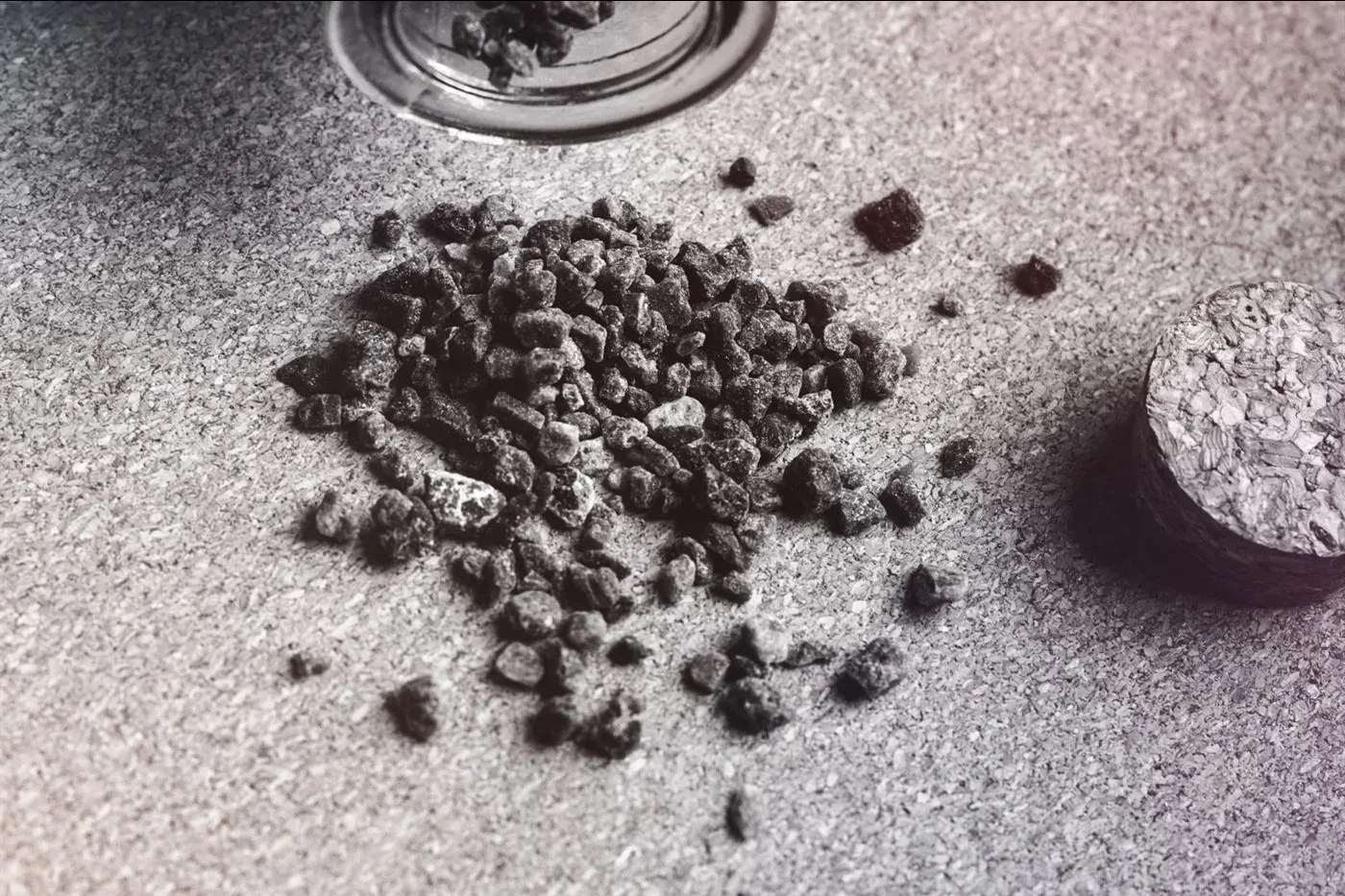
Many older people still dip their toothbrush in coarse salt to brush their teeth. More recently, activated charcoal powder and black toothpastes have been promoted as a way to get whiter teeth. Are these methods really good for your teeth?
Why do people like brushing with salt or charcoal?
Salt tastes strong and gives a clean, tight feeling to the gums. Activated charcoal can bind to some substances, so people believe it pulls stains out of teeth. After scrubbing, the tooth surface may look a little brighter because surface plaque and stains have been rubbed off. That feeling makes many people think their teeth have been deeply cleaned.
The harm of long-term use
- Enamel wear: salt and charcoal grains are hard and have sharp edges. Scrubbing every day is like using very fine sandpaper on your enamel. Once enamel is worn away, it does not grow back.
- Worn tooth necks and sensitivity: enamel is thin near the gum line and can be carved into V-shaped notches, causing sensitivity to cold drinks. See what cervical tooth wear is.
- Teeth may look more yellow: as enamel thins, the yellow dentine underneath shows through more, which is the opposite of what people want.
- Gum damage: coarse grains can scratch the gums and, over time, contribute to gum recession.
- No protection against decay: salt and charcoal contain no fluoride, so they do not strengthen enamel. Charcoal powder can also get stuck between teeth and around the edges of fillings.
Salt water still has its place
Unlike rubbing salt grains on teeth, rinsing with diluted warm salt water can soothe the lining of the mouth after a mouth ulcer or a tooth extraction, when a dentist recommends it. Once salt is dissolved, there are no grains left to scratch the teeth. Still, salt water is only a support and does not replace brushing.
What is a better way to clean your teeth?
- Brush twice a day with a fluoride toothpaste; see is fluoride toothpaste safe.
- Use a soft-bristled brush and gentle small circles instead of hard side-to-side scrubbing.
- Clean between your teeth with dental floss.
- For yellow stains from coffee, tea or smoking, have a professional scaling and polishing at a clinic. See what causes yellow teeth.
If you have used salt or charcoal for years and now notice sensitive teeth or notches near the gum line, a dental visit lets the dentist assess the wear and advise on protective fillings when needed.
Nha Khoa Ky Hoa is at 266A - 268, 3 Thang 2 Street, Hoa Hung Ward, Ho Chi Minh City. Call the hotline 028.3868.1097 or Zalo 082.299.3377 to ask about quieter times to visit.
Frequently asked questions
Is brushing with salt once a week a problem?
Even occasional use is abrasive and adds nothing over fluoride toothpaste, so there is no need to do it.
Does charcoal toothpaste whiten teeth?
It only fades surface stains and does not change the colour inside the tooth. Long-term use may wear enamel.
Can rinsing with salt water replace brushing?
No. Salt water does not remove plaque, so you still need to brush and floss.