
Many children sleep with their mouth open, wheeze or often have dry lips, and parents rarely pay attention. This article explains why mouth breathing affects the mouth and when to bring your child in.
- Mouth breathing dries the mouth and lowers saliva, so teeth decay more easily, gums inflame and breath becomes bad.
- Sleeping with an open mouth, snoring, dry cracked lips or a long lasting blocked nose are signs parents should notice.
- The cause often involves the nose and throat, so a specialist should examine the child.
- Regular oral hygiene, enough water and routine dental checkups help protect the child's teeth.
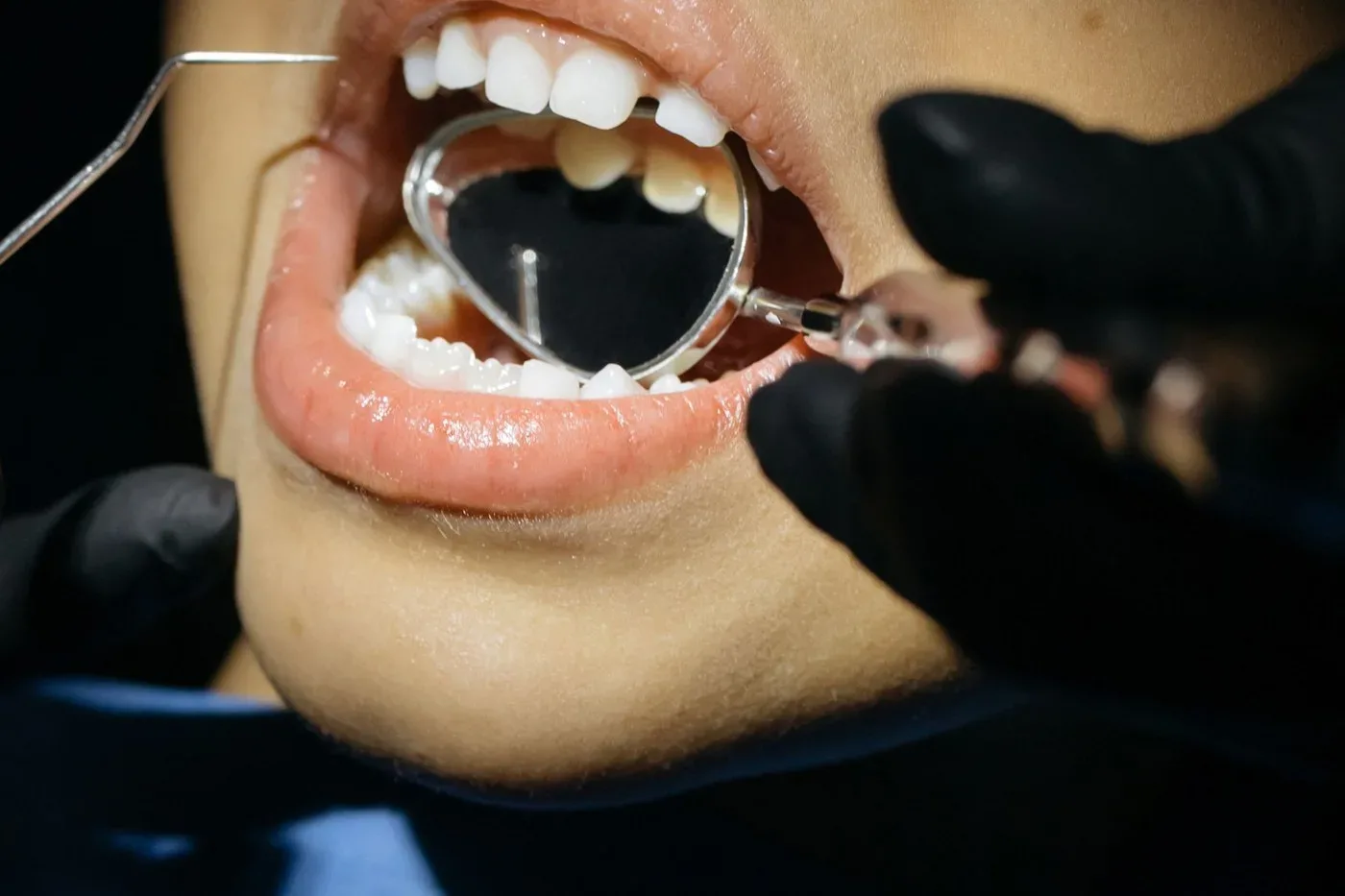
Some children keep their mouth open during the day, sleep with it open at night, snore lightly or wake up with dry, cracked lips. Parents often think it is just a habit. In fact, long term mouth breathing can affect the teeth, the gums and even the way the jaw and face develop.
Why does mouth breathing affect the teeth?
When we breathe through the nose, saliva keeps the mouth moist and helps wash away plaque. When a child breathes through the mouth a lot, the mouth dries out and saliva decreases, so bacteria can stick and grow more easily. The result can be cavities, gum inflammation, bad breath and more tartar, especially around the front teeth.
Signs parents should look out for
- The child sleeps with an open mouth, snores or wheezes.
- Dry, cracked lips and a dry mouth, or waking up thirsty at night.
- Red, swollen front gums that bleed even when the child brushes.
- Morning bad breath and teeth that decay quickly.
- A long lasting blocked or runny nose, or repeated rhinitis and tonsil infections.
Common causes
Mouth breathing in children is often caused by a long lasting blocked nose, allergic rhinitis, enlarged tonsils or adenoids, or sometimes just a habit left after an illness. Because it involves the ear, nose and throat, parents should take the child to a specialist to find the cause rather than treat it at home.
What parents can do to protect the teeth
- Keep up regular oral hygiene: brush in the morning and at night, especially before bed.
- Offer water often, especially in the morning and before sleep.
- Limit sweets and sugary drinks, because a dry mouth makes decay progress faster.
- Remind the child to close the mouth and breathe through the nose while awake.
You can read more about cavities in children and how to support a child's tooth brushing. If the child often snores, has trouble breathing or shows signs of decay, please bring them in early.
You can call the hotline 028.3868.1097 or bring your child in person during working hours at 266A - 268, 3 Thang 2 Street, Hoa Hung Ward, Ho Chi Minh City so that the dentist can check your child's mouth.
Frequently asked questions
Is it a disease when a child sleeps with an open mouth?
Occasionally opening the mouth with a blocked nose is common. But if your child often sleeps with an open mouth, snores or wheezes, parents should bring them for an exam to find the cause.
Can mouth breathing make a child's teeth grow crooked?
Long term mouth breathing may affect the growth of the jaw and face. Parents should bring the child in early for assessment, and problems found early are easier to manage.
How often should a child have a dental checkup?
Parents can bring the child for a checkup about every 6 months, or sooner if teeth change color, gums swell or the child complains of pain.