
Many parents assume that because baby teeth are replaced anyway, a dentist can wait until the child is older. In fact the right moment for a first visit comes much earlier than most families expect, and starting at the right time means less fear and less pain later on.
- Bring your child for a first dental visit around their first birthday, at the latest between 12 and 18 months, once the first baby teeth have come through.
- The first visit is very gentle: the dentist looks over the mouth in general, checks the teeth and gums, and shows parents how to clean their child's teeth at home.
- Coming in while the teeth are still healthy, and avoiding frightening words such as injection, pull out or hurt, helps a child feel less afraid of the dentist later on.
- Children with a health insurance card, including student health insurance, are entitled to benefits when treated for dental disease, and Ky Hoa Dental sees health insurance patients on Saturdays as well.
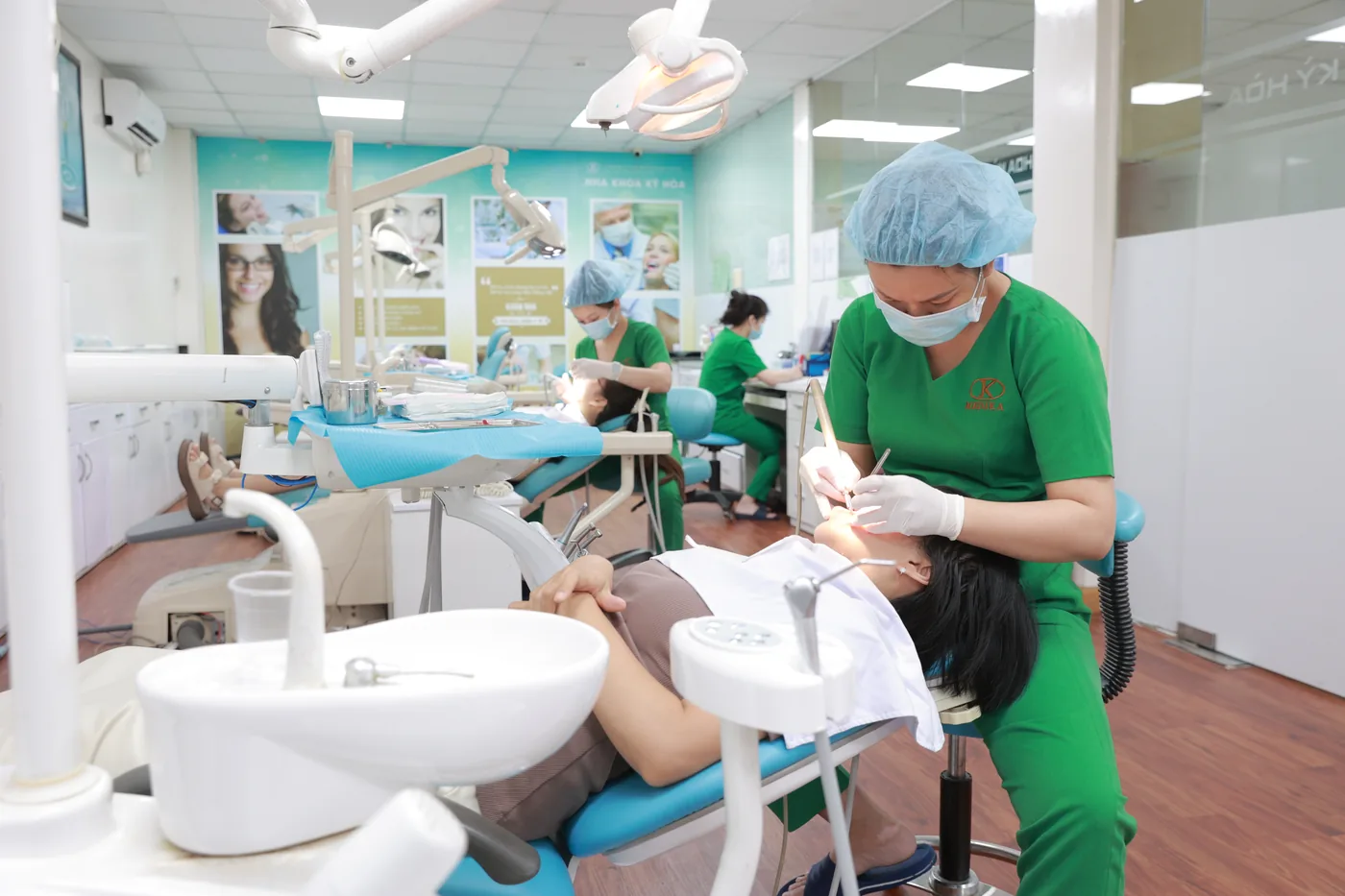
When a first baby tooth appears, parents are often delighted and a little unsure whether it is already time to see a dentist. It is a very common question, and the answer may surprise you: bring your child to get to know the dental clinic as soon as the first baby teeth come through, rather than waiting until they are older.
What age should a child first see a dentist?
General dental advice puts the right moment for a first visit around the first birthday, or at the latest between 12 and 18 months. That sounds early, but by then the baby teeth have started to appear, and the enamel on baby teeth is delicate and easily attacked by bacteria.
The first visit is a gentle affair, so there is no need to worry. The dentist mainly looks over the mouth in general, checks the teeth and gums, sees whether the teeth are coming through evenly, and shows parents how to clean their child's teeth at home. It is also a chance for your child to get used to the atmosphere of the clinic, the dental chair and the sound of the equipment, all of which are far more frightening if a child meets them for the first time with toothache.
Why does an early visit matter?
Some parents think "baby teeth fall out anyway, a new one will come", and so they hold off. But baby teeth play a bigger role than we assume: they help a child chew, form sounds and hold space so the permanent teeth come through in the right position later. A badly decayed baby tooth removed early can leave the permanent teeth coming in crooked and crowded.
Decay in young children, especially decay linked to bottle feeding and falling asleep with milk in the mouth, can progress quite quickly. Regular check-ups let the dentist spot tiny points of decay and deal with them gently while they are just starting, rather than waiting until the child is in pain and distressed. If you would like to understand this better, our article on tooth decay in children covers the early signs to look for at home.
How can you help your child feel less afraid of the dentist?
Fear of the dentist usually starts with an unhappy first encounter. These small suggestions help a child feel more at ease, though how well any child cooperates varies from one to another:
- Bring your child in while their teeth are still healthy and nothing hurts, so the first experience is a pleasant one, unconnected with discomfort.
- At home, play a "dentist" game together, have your child open wide while you count their teeth, and read picture books about visiting the dentist.
- Avoid words that frighten, such as "injection", "pull out" or "hurt", when talking about the visit. Try something gentler instead: "the dentist is going to count your teeth".
- Choose a time when your child is alert, has eaten and is not sleepy, so they cooperate more easily.
- Stay calm yourself. Children pick up on everything, and a worried parent makes for a tense child.
At Ky Hoa Dental our dentists are used to seeing young children, so they usually spend time talking and getting acquainted before starting, to make the visit as gentle as it can be.
Preventing decay in baby teeth right from the start
Alongside regular check-ups, care at home is the real foundation. A few points to keep in mind: wipe your baby's gums with a clean cloth even before any teeth appear; once teeth are present, brush with a soft-bristled brush; avoid letting your child fall asleep with a bottle of milk or a sweet drink; and build the habit of drinking water and rinsing after sweet food. A check-up every six months lets the dentist monitor the enamel and step in early when needed, depending on each child's situation.
Can a child use a health insurance card for dental visits?
This matters to many families, particularly when there are so many other costs in raising a child. The good news is that children with a health insurance (BHYT) card, including student health insurance, are entitled to benefits when examined and treated for dental disease at a facility contracted for health insurance examination and treatment. In other words, if your child has decay, pulp inflammation or gum inflammation and needs a filling, root canal treatment or an extraction for disease as indicated by the dentist, these services fall within the scope covered by the card, according to the category recorded on it.
A clear distinction is needed: cosmetic or elective services such as braces and cosmetic dental work fall outside the scope of health insurance. To understand exactly which items the card supports, see our article on what health insurance covers for dental visits. Ky Hoa Dental is the dental specialty department of a general medical centre, sees health insurance patients on Saturdays as well, and always states costs clearly before treatment so your family can plan.
In short, do not wait for your child to complain of pain. Once the baby teeth start coming through, give your child a gentle first introduction to the clinic. If you are unsure where to begin, book an examination and consultation, or call our hotline 028.3868.1097 and our dentists will advise you on your own child's situation.
Frequently asked questions
At what age should a child have their first dental visit?
Bring your child to get to know the dental clinic as soon as the first baby tooth appears, usually around the first birthday or at the latest between 12 and 18 months. This visit is mainly a general check by the dentist and guidance for parents on cleaning, and it helps your child grow used to the clinic.
Baby teeth are replaced anyway, so is an early visit really necessary?
Yes. Baby teeth help a child chew and form sounds, and they hold space so the permanent teeth come through in the right position. Decay in baby teeth can progress quickly, so regular check-ups allow it to be found early and dealt with gently, rather than waiting until the child is in pain.
Does student health insurance apply to a child's dental visit?
Children with a health insurance card, including student health insurance, are entitled to benefits when examined and treated for dental disease such as decay, pulp inflammation or gum inflammation at a contracted facility, at the benefit level for the category recorded on the card. Cosmetic services such as braces fall outside this scope.