
Many people see wider gaps between their teeth after a scaling and fear the teeth were damaged. This article explains why it happens, when it is normal and how to help the gums recover.
- Gaps that appear after scaling are usually because tartar no longer fills the space between the teeth.
- Gums that settle after inflammation also make the spaces look wider, which is a sign the gums are getting healthier.
- Scaling with proper technique does not wear down enamel or space out the teeth.
- Clean between the teeth daily and return for a check if there is bleeding, loose teeth or food that keeps getting stuck.
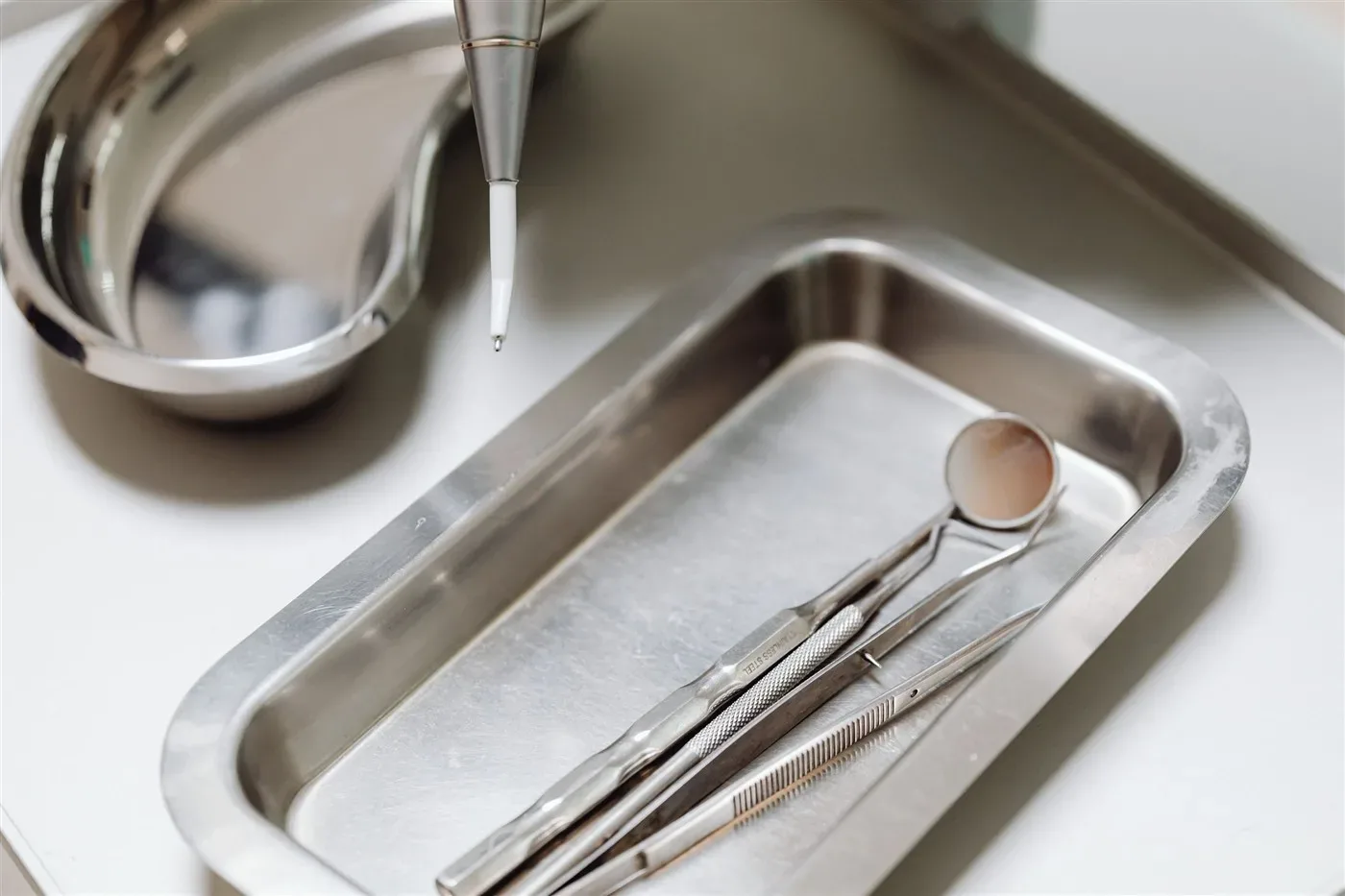
After a scaling, many people look in the mirror and find the spaces between their teeth wider than before, and food may even get stuck more easily. This feeling makes some people worry that scaling has harmed their teeth. In most cases, however, it is a normal and easy to explain effect.
Why do gaps appear after scaling?
Tartar that has built up for a long time can form hard deposits that fill the space between the teeth. Once the tartar is removed, the space is revealed and it feels as if the teeth have opened up. In truth the gaps were already there, only hidden by the tartar.
In addition, gums irritated by tartar are usually puffy. After the tartar is cleaned away, the inflammation settles and the gum shrinks and firms up, so the spaces look larger. This is a sign that the gums are becoming healthier.
Does scaling really open up the teeth?
Scaling done with the right technique does not open up the teeth or wear away the enamel. You can read more in our article on whether scaling wears down enamel. One thing to keep in mind is that if the gum had already receded because of periodontal disease, the gap becomes more obvious once the tartar is gone.
How to care for the teeth when gaps show after scaling
- Brush gently twice a day with a soft toothbrush.
- Clean between the teeth every day with floss or an interdental brush so food does not stay behind.
- Rinse with clean water after meals.
- If you feel some sensitivity in the first days, read our article on sensitivity after scaling.
When should you come back for a check?
You should return for an exam if you notice:
- Gaps together with bleeding or swollen gums that last.
- Loose teeth or strong sensitivity that does not ease.
- Food that keeps getting stuck in the same place.
These signs may mean the gums and the bone around the teeth need a closer look. To learn more about the procedure, see does scaling hurt or our scaling service page.
You can call the hotline 028.3868.1097 or visit us in person during working hours at 266A - 268, 3 Thang 2 Street, Hoa Hung Ward, Ho Chi Minh City.
Frequently asked questions
Do my teeth look more spaced out after scaling because enamel was removed?
No. The wider look is usually because tartar no longer fills the space and the gum is no longer swollen. Enamel is not lost when scaling is done properly.
Will the gaps close by themselves?
The gum can firm up and hug the teeth more closely after a few weeks when kept clean. Gaps caused by long standing gum recession usually do not close fully.
Is there anything special I should do to stop food from getting stuck?
Use floss or an interdental brush every day. If food still gets stuck in the same place, come in for an exam to find the cause.