
Teeth scaling (tartar removal) usually causes little pain, though you may feel some sensitivity if there is a lot of tartar or your gums are inflamed. Regular scaling helps keep gums healthy and lowers the risk of gum disease.
- Scaling usually causes little pain, only light vibration or sensitivity, especially when there is a lot of tartar or inflamed gums.
- Many people are advised to have scaling about every 6 months, but those who build up tartar easily or have had gum disease may need it more often.
- Brushing and flossing cannot remove hardened tartar, so it must be removed at a dental clinic.
- Bleeding gums, lasting bad breath or hard yellow-brown deposits on teeth are signs to get checked early.
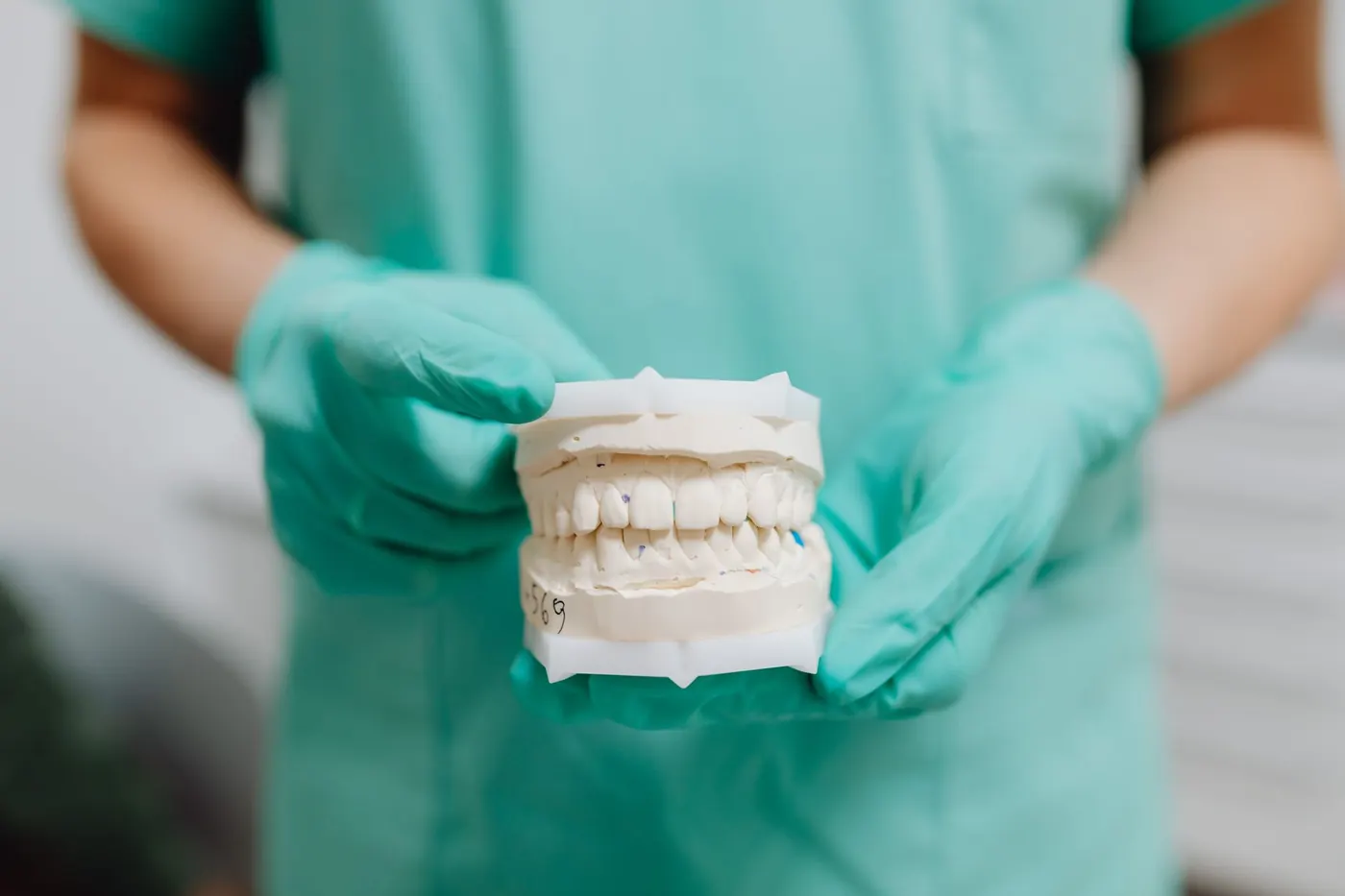
Does scaling hurt? How often should you get it done? These are the two questions people ask most about dental care. Tartar left on teeth for a long time not only makes the smile look less clean, it also gives bacteria a place to live and can lead to gingivitis and periodontal disease.
What is tartar, and why remove it?
Tartar (dental calculus) is plaque that has hardened from minerals in saliva and gum fluid, so it sticks firmly to the teeth. It usually forms near the gum line, on the inside of the lower front teeth, and in spots a toothbrush cannot reach well.
If it is not removed, tartar lets bacteria build up and may cause:
- Gingivitis: red, swollen gums that bleed easily when brushing.
- Bad breath: bacteria and plaque produce an unpleasant smell.
- Periodontal disease: long-lasting inflammation can affect the tissues that support the teeth. See Periodontal disease: what it is and what to do when you notice the signs.
- Cosmetic problems: yellow or brown tartar makes teeth look unclean.
Brushing and flossing help limit new plaque, but they cannot remove tartar that has already hardened. That is why regular scaling at a dental clinic matters.
Does teeth scaling hurt?
Scaling usually does not cause significant pain. You may feel a light vibration, mild sensitivity or slight discomfort as the instruments clean tartar from the tooth surface and along the gum line.
How much you feel depends on:
- How much tartar there is.
- Whether it sits on the tooth surface or deep below the gum line.
- Whether your gums are healthy, inflamed or bleeding.
- Your teeth's sensitivity and your own pain threshold.
If there is a lot of tartar or your gums are inflamed, the sensitivity can be stronger. Tell your dentist right away if you feel pain or discomfort so they can adjust. If you worry that scaling wears down enamel, read Does scaling wear down tooth enamel?.
How often should you have your teeth scaled?
Many people are advised to have a check-up and scaling about every 6 months. But everyone is different. The right interval depends on how fast tartar forms, your oral hygiene habits, the condition of your gums and any history of periodontal disease.
People who build up tartar easily, often get gingivitis or have had periodontal disease may be asked to come back more often. To find the right schedule, it is better to be examined in person than to follow a fixed timeline on your own.
Signs you should have your teeth checked
- Hard yellow or brown deposits stuck near the base of the teeth.
- Red, swollen gums or bleeding when brushing.
- Bad breath that lasts.
- Teeth that never feel clean even though you brush and clean between them.
- It has been a long time since your last check-up and cleaning.
Note that bleeding gums or bad breath are not always caused by tartar and may relate to other oral conditions. An in-person exam helps find the real cause. See also What causes bleeding gums?.
Oral care after scaling
To keep tartar from coming back quickly, try these habits:
- Brush at least twice a day with fluoride toothpaste.
- Clean between your teeth every day with floss or interdental tools.
- Limit sugary drinks and frequent snacking.
- Do not smoke, to lower the risk to your gums.
- Return for follow-up as your dentist advises.
After scaling, some people feel mild sensitivity or tender gums for a short time. If you have strong pain, bleeding that does not stop or any unusual sign, contact the clinic for a check.
Check-ups and care at Nha Khoa Ky Hoa
Regular dental care keeps teeth clean and helps catch gingivitis, cavities and periodontal disease early. Do not wait until you have toothache or frequent bleeding gums. For the service, see Ultrasonic scaling; for costs, read How much does scaling cost?; for insurance, read Is scaling covered by health insurance?.
Nha Khoa Ky Hoa sees patients in queue order by number. Call the hotline 028.3868.1097 to ask about quieter hours, or come in during working hours at 266A - 268 Duong 3 Thang 2, Hoa Hung Ward, Ho Chi Minh City. Zalo: 082.299.3377.
This article is for reference only and does not replace an in-person examination. Everyone's oral health is different, so please see a dentist for advice specific to you.
Frequently asked questions
Does teeth scaling hurt?
Usually not much, just light vibration, sensitivity or discomfort. With a lot of tartar or inflamed gums it can be stronger, so tell your dentist so they can adjust.
How often should I have my teeth scaled?
Many people are advised about every 6 months. If you build up tartar easily, get gingivitis often or have had periodontal disease, your dentist may ask you to come more often.
If I brush carefully, do I still need scaling?
Yes. Brushing and flossing limit new plaque but cannot remove hardened tartar. Tartar can only be removed with dental instruments.
Is mild sensitivity or bleeding after scaling normal?
Mild sensitivity or tender gums for a short time is common. If you have strong pain, bleeding that does not stop or any unusual sign, contact the clinic for a check.