
Swelling and pain right at the back, medication settles it, then it comes back once the course finishes. That pattern is distinctive and it has a clear explanation.
- An operculum is the flap of gum still covering a partly erupted wisdom tooth, creating a narrow pocket that traps food where a toothbrush cannot reach.
- Medication settles the flare-up but does not remove the pocket, which is why the swelling and pain keep returning.
- Removing the flap suits an upright wisdom tooth with adequate room; an angled or impacted tooth usually needs extraction.
- Both operculectomy for a lower wisdom tooth and surgical removal of angled wisdom teeth fall within health insurance cover when prescribed as treatment.
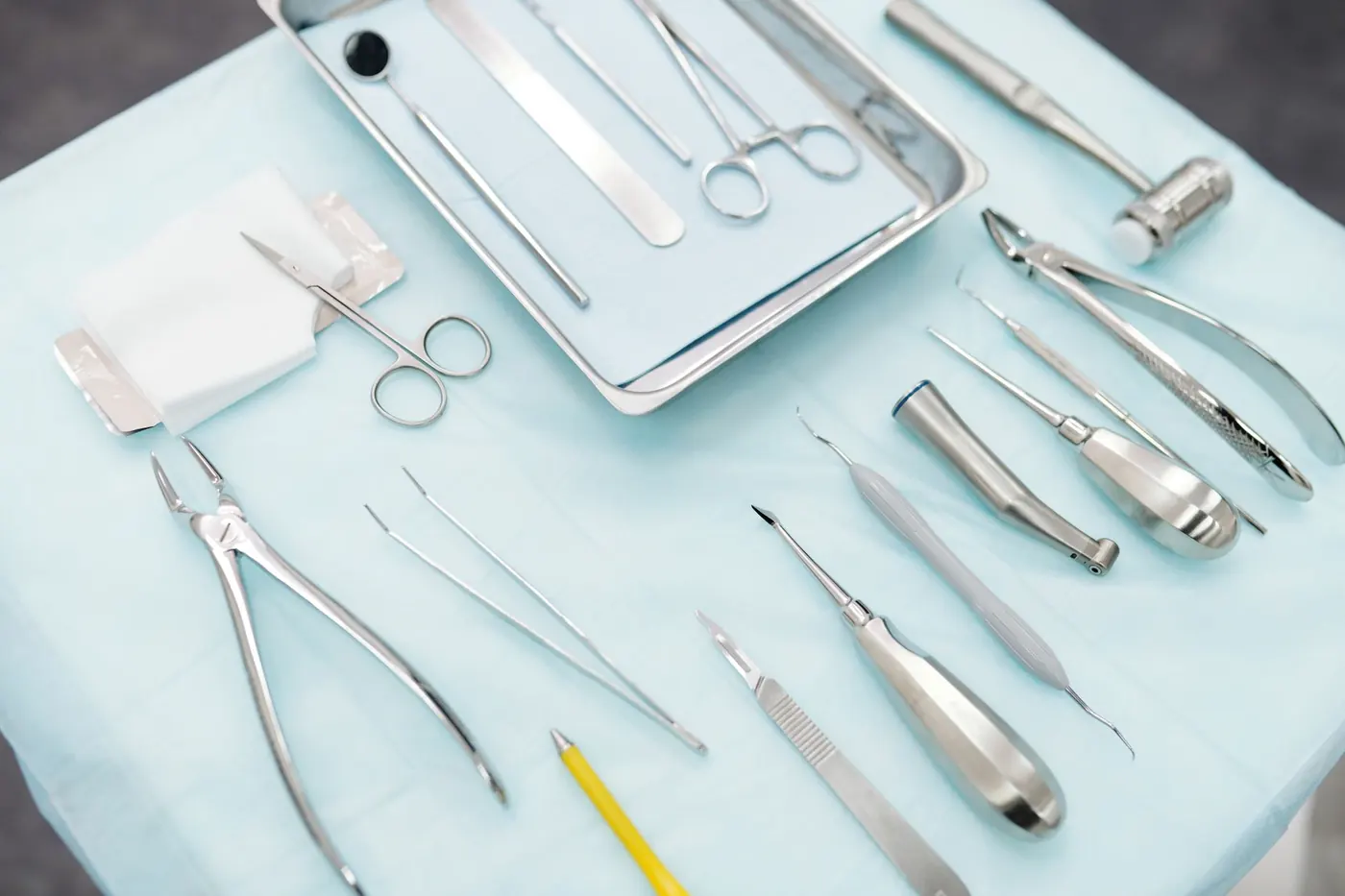
This kind of pain has one telling feature: it returns. Many people have been through several episodes, each one easing with medication and flaring again months later. Understanding why it recurs makes it clear why medication alone does not resolve it.
What an operculum is
Wisdom teeth erupt last, usually in adulthood, and often without enough room. When a wisdom tooth has come through only partly, a flap of gum still lies over part of the crown. That flap is called an operculum.
Between the flap and the tooth surface there is a narrow pocket. Food and bacteria enter it very easily, but a toothbrush cannot reach in to clean it and mouthwash struggles to flush it. The result is a focus of infection right under the flap.
It gets worse when the opposing tooth in the upper jaw bites down onto the flap with every chew, traumatising it repeatedly.
Why does it keep coming back?
This is the crux. Antibiotics and painkillers settle the acute episode, but they do not remove the pocket between the flap and the tooth. While the pocket remains, food gets in again, bacteria multiply again, and the next episode is only a matter of time.
Medication is therefore management of an acute flare-up, not a solution. Resolving it means addressing the pocket, which means treating either the gum flap or the wisdom tooth itself.
Common symptoms
- Swelling and pain in the gum behind the last molar, worse on chewing.
- Gum in that area red, soft and tender to pressure, sometimes with discharge.
- Bad breath and an unpleasant taste.
- Restricted mouth opening.
- Discomfort on swallowing, or pain radiating to the ear on the same side.
- Sometimes fever and swollen glands under the jaw.
Swelling spreading across the face or down the neck, difficulty swallowing, markedly restricted opening or a high fever all warrant prompt attention rather than watchful waiting at home.
Remove the flap or the tooth?
These two approaches address different situations, and the dentist decides based on the position and angulation of the wisdom tooth together with an x-ray.
Operculectomy removes the flap of gum lying over the tooth, eliminating the pocket that traps food. It is considered where the wisdom tooth is upright, has adequate room, and is expected to erupt fully and take part in chewing normally.
Extraction of the wisdom tooth is considered where the tooth is angled, impacted, lacks the room to erupt fully, or is damaging the adjacent tooth. In those situations, removing the flap alone is usually only a temporary measure because the underlying problem is the position of the tooth.
Since an x-ray is needed to assess the angulation and the relationship to nearby structures, arrange an examination rather than deciding on the basis of how it feels.
Health insurance cover
This is welcome news that many people are unaware of: both approaches fall within health insurance cover when prescribed as treatment for a condition.
Specifically at Ky Hoa Dental, operculectomy for a lower wisdom tooth is in the covered group. Surgical removal of angled upper and lower wisdom teeth, including cases requiring sectioning of the crown or the roots, and surgical removal of impacted teeth, are also in this group.
Bring your health insurance card, or the VssID or VNeID app, together with photo identification. The benefit level depends on the category recorded on your card under the Law on Health Insurance, so call our hotline and read out its details to confirm before visiting.
Note that some associated procedures may fall outside cover, such as an x-ray taken at the clinic or certain surgical procedures. The dentist and staff will set out clearly which parts are covered and which are self-paid before starting.
While you wait for your appointment
- Rinse with warm saline several times a day to clean the inflamed area.
- Keep brushing the area gently. Avoiding it altogether allows more bacteria to build up.
- Chew on the other side and stick to soft food.
- Apply a cold compress to the outside of the cheek if it is swollen.
- Do not buy antibiotics and take them yourself. Medication must be prescribed after an examination. Self-medicating can mask symptoms and make it harder for the dentist to judge the true severity when you attend.
- Do not poke at the inflamed gum with anything sharp.
If this is happening to you, arrange an appointment rather than waiting for the episode to pass, because another will follow. Ky Hoa Dental sees patients at 266A - 268, Duong 3 Thang 2, Hoa Hung Ward, Ho Chi Minh City, Monday to Saturday.
Frequently asked questions
Will antibiotics resolve an operculum?
Medication settles the acute episode but does not remove the pocket between the gum flap and the tooth, so the problem usually recurs. Addressing the cause means treating either the flap or the wisdom tooth, depending on the dentist's assessment. You should also not buy antibiotics and take them without a prescription following an examination.
Is operculectomy covered by health insurance?
Yes. Operculectomy for a lower wisdom tooth falls within health insurance cover when prescribed as treatment for a condition. Surgical removal of angled wisdom teeth is also in this group. Bring your health insurance card and photo identification to your appointment.
After an operculectomy, will the wisdom tooth still need removing?
That depends on the angulation of the tooth. If it is upright with enough room to erupt fully, removing the flap may be sufficient. If it is angled or impacted, the underlying problem is the tooth's position, so removing the flap alone is usually only a temporary measure. An x-ray is needed to assess this.