
Football, martial arts and other contact sports often involve blows to the face that can break or chip teeth. A mouthguard is one way to lower that risk.
- A sports mouthguard is a soft plastic device that absorbs the force of impacts to the teeth, lips and jaw.
- It is advisable for contact sports and sports with a risk of falls, especially for children.
- A snug, comfortable fit matters; people with crowns, bridges or ongoing treatment should ask the dentist first.
- Rinse and dry the mouthguard after each use and replace it when it tears or no longer fits.
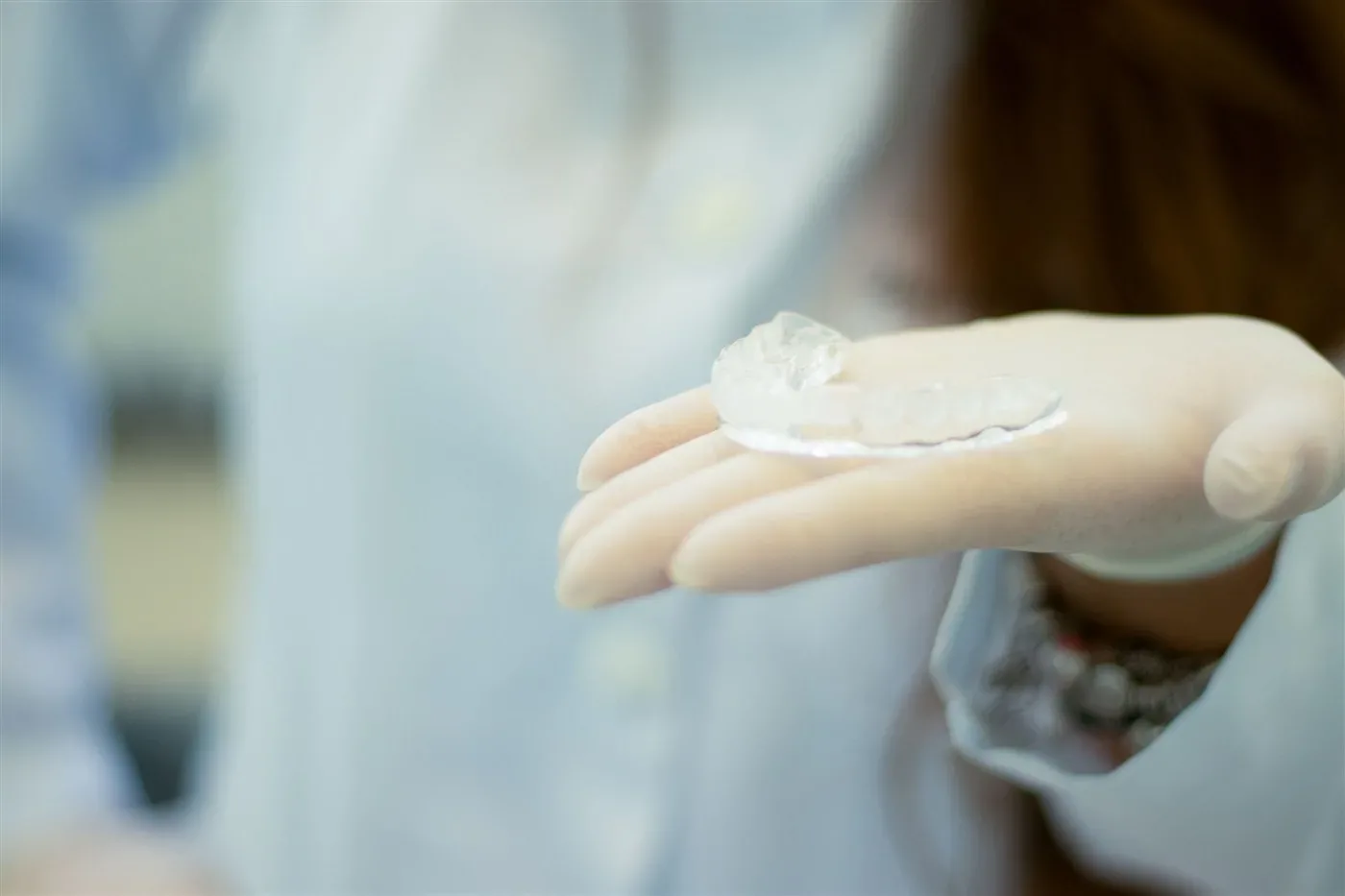
What is a mouthguard?
A sports mouthguard is a soft plastic device that fits over the teeth to absorb the force of an impact to the teeth, lips and jaw during sport. It is not the same as a night guard worn for grinding teeth in sleep, although the shape may look similar. You can read our article on what a night guard for grinding is to tell the two apart.
When should you use one?
- Contact sports such as football, basketball, rugby, martial arts, boxing and hockey.
- Sports where falls are common, such as skating, mountain biking and skateboarding.
- Children playing active sports, to lower the risk of broken teeth. See our article on what to do when a child hits their teeth, bleeds or has a loose tooth.
Common types of mouthguards
- Ready made: bought off the shelf, often a poor fit, and can make breathing or speaking harder or feel loose.
- Boil and bite: softened in hot water and shaped at home, fitting better but still less accurate than a custom one.
- Custom made: made from a mould of your teeth, fitting closely and comfortably, usually made by a dentist.
How should you choose and use one?
- Choose one that fits snugly and does not make you gag or block your breathing.
- If you have bridges, crowns or are having dental treatment, ask your dentist first.
- Children who are losing baby teeth need their mouthguard checked again as the mouth changes.
Cleaning and storage
- Rinse the mouthguard with cool water and brush it with a soft brush after each use, and do not soak it in hot water.
- Dry it and store it in a ventilated case.
- Replace it when it tears, warps or no longer fits.
If a tooth is hit, cracked or chipped even when wearing a mouthguard, please be examined early, and read what to do about a cracked, chipped or broken tooth. You are welcome to walk in during opening hours at Nha Khoa Kỳ Hòa, 266A - 268, 3 Tháng 2 Street, Hòa Hưng Ward, Ho Chi Minh City, or call the hotline 028.3868.1097 (Zalo 082.299.3377) to ask about quieter time slots.
Frequently asked questions
Is a sports mouthguard the same as a night guard?
No. A sports mouthguard absorbs impact while playing, while a night guard protects teeth from grinding during sleep.
Do children need a mouthguard for sport?
It is advisable for contact sports and sports with a risk of falls. Parents can ask the dentist which type suits a child's changing mouth.
When should I replace a mouthguard?
When it tears, warps, no longer fits snugly, or after your teeth have changed.