
A chipped corner may be minor, but sometimes it means the tooth has cracked deep toward the pulp. Handling it correctly from the start helps protect the tooth and reduces pain.
- A small cracked or chipped tooth may not hurt, but left for long it decays and gets infected more easily, so see a dentist early.
- The level, from an enamel chip to a break exposing the pulp or a root crack, decides whether it is filled, crowned or needs root canal treatment.
- At home, rinse with warm water, chew on the other side, keep the broken piece and do not glue or poke the break.
- Sharp pain on chewing, spontaneous pain, bleeding, a swollen cheek or a loose tooth are signs to be seen right away.
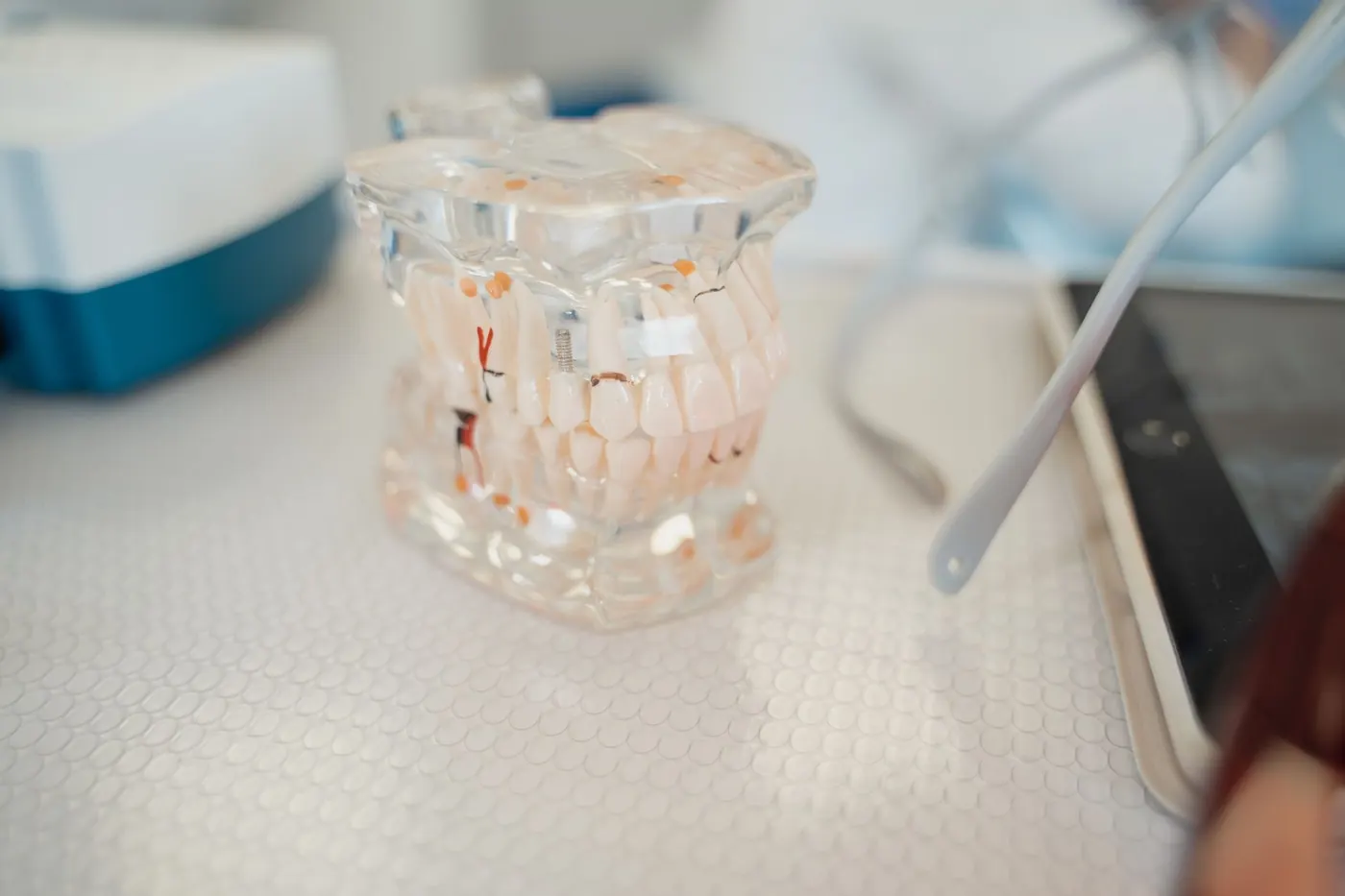
You bite on something hard, trip and fall, or simply chew a bone, and a corner of the tooth breaks off. Many people leave it alone if it does not hurt. In fact a cracked or chipped tooth left untreated is more likely to decay, become infected and hurt more. This article helps you tell how serious it is and what to do.
Why do teeth crack, chip or break?
Common causes include:
- Biting something too hard: bones, ice, hard seeds or hard candy.
- Injury: a fall, a blow to the face during sport or an accident.
- Grinding teeth in sleep: long-term grinding slowly cracks the enamel. See is grinding teeth in sleep harmful.
- A tooth with a large cavity or filling: thin walls break easily when chewing.
- A tooth with a dead nerve: it is more brittle and breaks more easily.
Common levels of cracks and chips
The level decides the treatment:
- Small enamel chip: only a corner is missing, usually painless, mainly a cosmetic issue.
- Crack in the crown: sharp pain when chewing or with hot and cold drinks, and the crack can be hard to see.
- Break exposing dentin or pulp: severe sensitivity, spontaneous pain and sometimes bleeding at the break.
- Crack running down the root: the most serious type, where the tooth may be hard to keep.
What should I do at home right away?
Until you can be seen, you can:
- Rinse with warm water to clean the broken area.
- Chew on the opposite side and avoid hard, hot or cold food.
- Keep the broken piece if it is intact, store it in milk or lightly salted water and bring it with you.
- Apply a cold pack to the outside of the cheek if it swells.
- Do not glue the tooth or poke the break with sharp objects.
When should I see a dentist right away?
Do not wait if you notice any of the following:
- Sharp pain when chewing, or pain that comes on by itself.
- Bleeding at the break or a red spot in the middle of the tooth.
- Swelling of the cheek or gum around the broken tooth.
- A loose tooth after an injury.
If the swelling spreads or you have a fever, read swollen cheek from a tooth, could it be an abscess. For severe pain, see what to do about a toothache.
How is a cracked or broken tooth treated?
The dentist examines the tooth, takes an X-ray if needed and advises according to the case:
- Small chip: it can be filled or the sharp edge smoothed.
- Much of the crown missing: a porcelain crown is often needed to protect what remains. See filling or porcelain crown.
- Break reaching the pulp: root canal treatment is needed before restoration. See is root canal treatment as scary as people say.
- Crack deep into the root: the tooth may not be savable and may need removal and replacement.
If you grind your teeth, ask about a night guard to protect them. Regular check-ups also help catch cracks early.
Seeing us at Ky Hoa
For costs, see the price page. Nha Khoa Ky Hoa is at 266A - 268, 3 Thang 2 Street, Hoa Hung Ward, Ho Chi Minh City. You can walk in during working hours, or call the hotline 028.3868.1097 (Zalo 082.299.3377) to ask about quieter hours first.
Frequently asked questions
Does a small chip that does not hurt need a check?
Yes, even without pain, because a sharp edge can scratch the tongue and cheek, and the chip can trap food and lead to decay. The dentist can often fill it or smooth it quite simply.
How should I keep a large broken piece of tooth?
Keep it in milk or lightly salted water and bring it to the visit. A broken piece cannot always be reattached, so the dentist will decide how to restore the tooth.
Can a cracked tooth heal by itself?
A tooth does not knit back together like bone. The crack can deepen if you keep chewing on it, so it needs an exam to find out the level and how to protect the tooth.
How can I prevent cracked or chipped teeth?
Avoid biting very hard things, wear protection during sport, use a night guard if you grind your teeth and have regular check-ups to treat decay or old fillings early.