
Many older adults take blood thinners for years and worry that a tooth extraction will bleed too much. This article explains how to prepare before the extraction and how to care for the wound afterward.
- People on blood thinners can often have a tooth removed in many cases if they are well prepared.
- Do not stop the medicine on your own; any change is decided by the physician who looks after the underlying condition.
- Bring your prescription and tell the dentist about your conditions and your latest clotting test result.
- Light oozing is common, but bleeding in a stream that will not stop needs contact with the clinic right away.
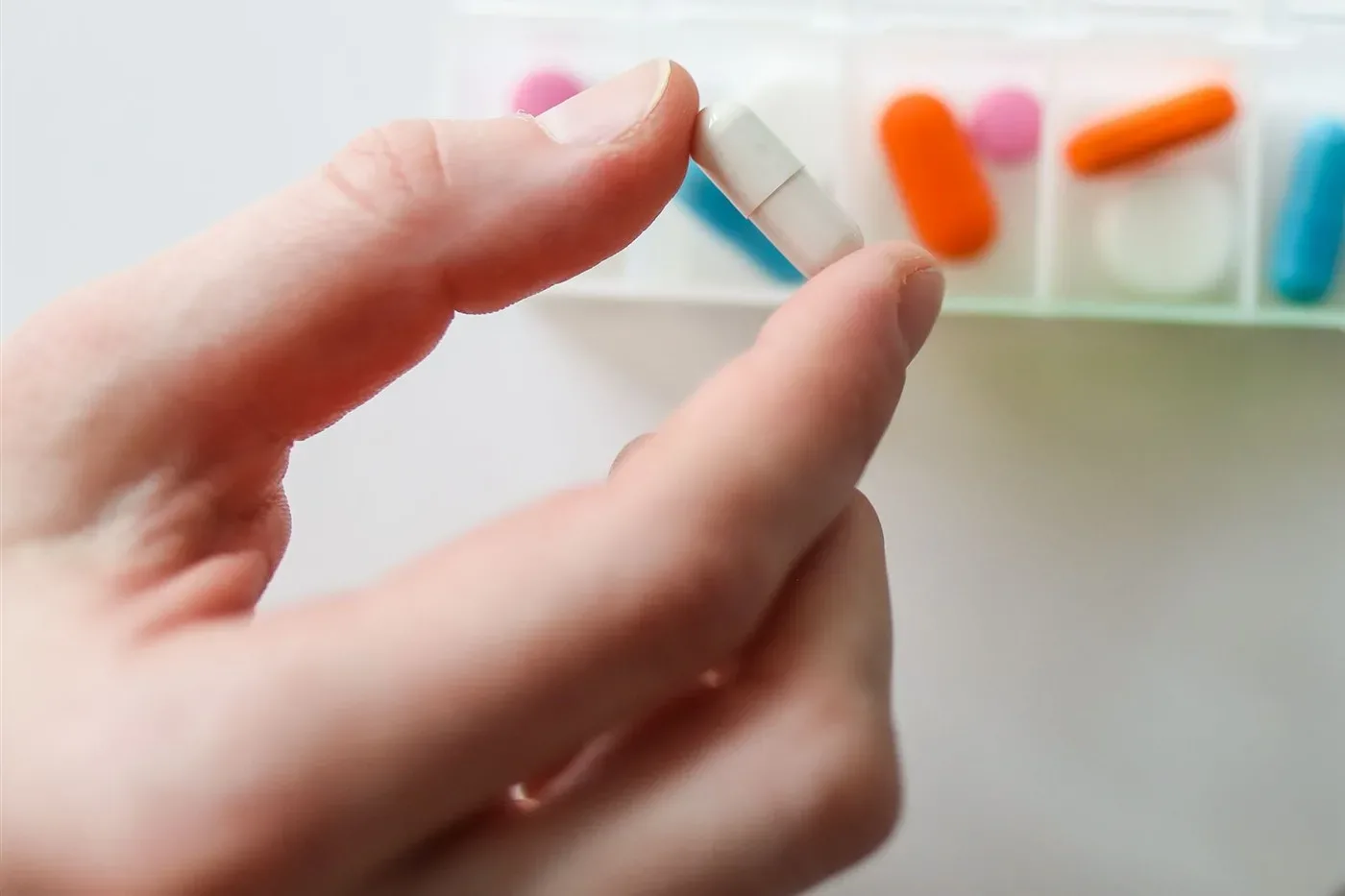
Many older adults, or people with heart and vascular disease, take blood thinners every day. When a tooth needs to come out, they often worry about bleeding that is hard to stop, and some even stop the medicine on their own, which can put their health at risk. This article helps you understand the situation so that you can prepare more safely.
Can you have a tooth removed while on blood thinners?
In many cases, yes. Blood thinners make the blood clot more slowly, so the socket may bleed longer than usual. For a simple extraction, with careful local measures to control bleeding, the dentist can often manage it without stopping the medicine. Whether the medicine needs to be adjusted is a decision for the physician or heart specialist who looks after you, not something to decide alone.
What to tell the dentist before the extraction
- The conditions you are treated for, and the blood thinner you take, its dose and the time you take it. Please bring the prescription or the medicine box.
- Your most recent blood clotting test result, if you have one.
- Other conditions such as high blood pressure, diabetes or liver disease.
- Any history of long bleeding after a tooth extraction or an operation.
Do not stop your blood thinner by yourself before an extraction. Stopping it incorrectly can raise the risk of blood clots, stroke or heart attack.
How is the extraction prepared and carried out?
The dentist will take a careful history, check your blood pressure and choose a suitable time for the extraction. During the procedure the socket is handled gently and bleeding is controlled locally with more care. You can also read about tooth extraction for people with heart disease or diabetes and for people with a heart stent.
Caring for the socket to limit bleeding
- Bite firmly on clean gauze as instructed and do not take it out again and again to check.
- Do not rinse hard, do not suck, and do not push the socket with your tongue.
- Eat soft, cool food in the first days.
- Rest and avoid heavy work for the first 24 hours.
A little oozing on the first day is common. If blood keeps flowing in a stream and does not stop after biting on gauze, contact the clinic right away. Our article on how long bleeding lasts after an extraction gives more detail.
You can call the hotline 028.3868.1097 or visit us in person during working hours at 266A - 268, 3 Thang 2 Street, Hoa Hung Ward, Ho Chi Minh City, and please bring the prescription you are using.
Frequently asked questions
Should I stop my blood thinner before a tooth extraction?
No. Only the doctor who treats your underlying condition can decide to stop or change the dose, after weighing the risk of blood clots. Please tell your dentist clearly so that they can coordinate.
Is it a problem if the socket bleeds longer than usual?
People on blood thinners may ooze a little longer. But if the blood flows in a stream and does not stop when you bite on gauze, contact the clinic right away.
What should I bring to the extraction visit?
Bring the prescription or medicine box you are using, your latest clotting test result if you have one, and your health insurance card if the treatment is covered by insurance.