
Many people chew ice cubes to cool down or simply out of habit. It seems harmless, but it can damage teeth, especially teeth that already have fillings or crowns.
- Chewing ice cubes can crack or chip teeth and damage fillings or crowns.
- Iced water does not directly harm enamel but sharpens sensitivity in teeth that are already tender.
- Let ice melt in the glass and replace the habit with soft food or sugar free gum.
- Pain when biting or lasting sensitivity after biting ice is a sign to see a dentist.
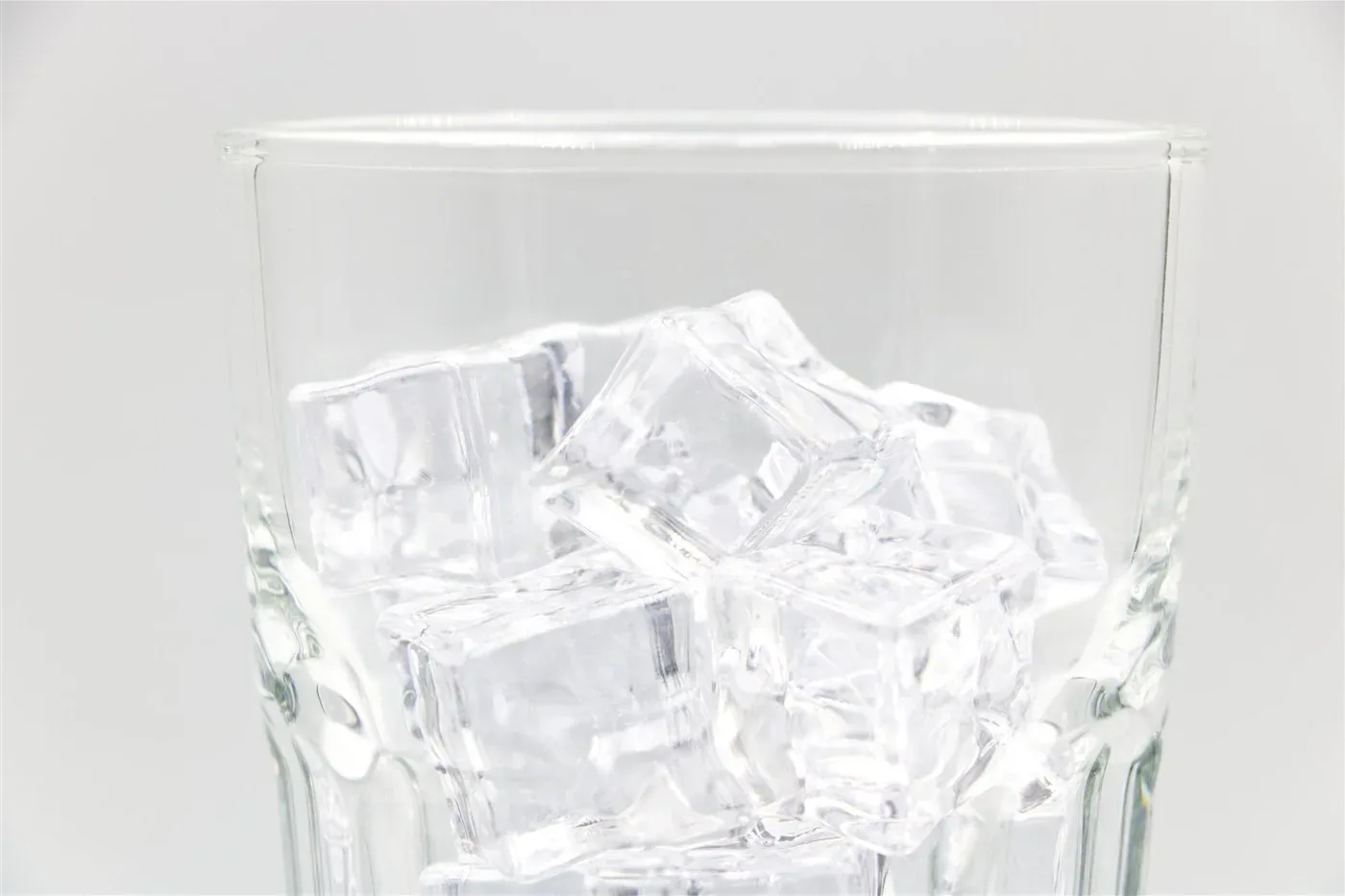
Why is chewing ice harmful?
Ice cubes are very hard. When you bite down, the force is concentrated on a small point and can crack, chip or break enamel, especially in teeth that have fillings, have had root canal treatment or are already worn. Fillings and porcelain crowns can also come loose or crack from this sudden force. You may also read our article on what to do about a cracked, chipped or broken tooth.
What about drinking iced water?
Drinking a drink with ice does not directly damage enamel, but for people who already have sensitive teeth, very cold water can make the pain sharper. If cold water makes a tooth sting, it may mean the tooth is worn at the neck, the gum has receded, or there is decay. See our article on what to do about teeth sensitive to cold.
Why do many people chew ice?
- It is a long standing habit, done out of boredom or to ease stress.
- The cold, crunchy feeling is pleasant in hot weather.
- Sometimes it is linked to a nutritional shortage, so you may ask a doctor if you crave ice often.
How can you break the habit?
- Let the ice melt in the glass and drink the water instead of biting the cubes.
- Replace it with soft food such as cut fruit, or sugar free gum.
- Drink moderately cold water rather than a glass packed with ice.
- Remember that every bite on ice is a chance of cracking a tooth or damaging a filling.
When should you see a dentist?
If after biting ice you notice pain when biting, a sharp edge, lasting sensitivity or a loose filling, please be examined early. You can also read about everyday habits that quietly harm your teeth. You are welcome to walk in during opening hours at Nha Khoa Kỳ Hòa, 266A - 268, 3 Tháng 2 Street, Hòa Hưng Ward, Ho Chi Minh City, or call the hotline 028.3868.1097 (Zalo 082.299.3377) to ask about quieter time slots.
Frequently asked questions
Can chewing ice crack a tooth?
Yes, it can. Ice is very hard, so a strong bite can crack or chip teeth, especially those with fillings, root canal treatment or crowns.
Does iced water weaken enamel?
Iced water does not directly damage enamel, but if a tooth is already sensitive, very cold water makes the pain more noticeable.
How can I stop chewing ice?
Let the ice melt and drink the water, use soft food or sugar free gum instead, and remind yourself that biting ice can crack a tooth.