
After an extraction, the blood clot in the socket acts as a protective layer. If it is lost too early, you may feel more pain than expected, a condition called dry socket.
- Dry socket happens when the blood clot in the socket comes loose or dissolves early, exposing the bone and causing pain.
- The typical sign is pain that grows between the second and fourth day after extraction, sometimes with bad breath.
- Avoid hard rinsing, straws, smoking and touching the wound to help prevent it.
- If pain increases instead of easing, come back so the dentist can check and treat it.
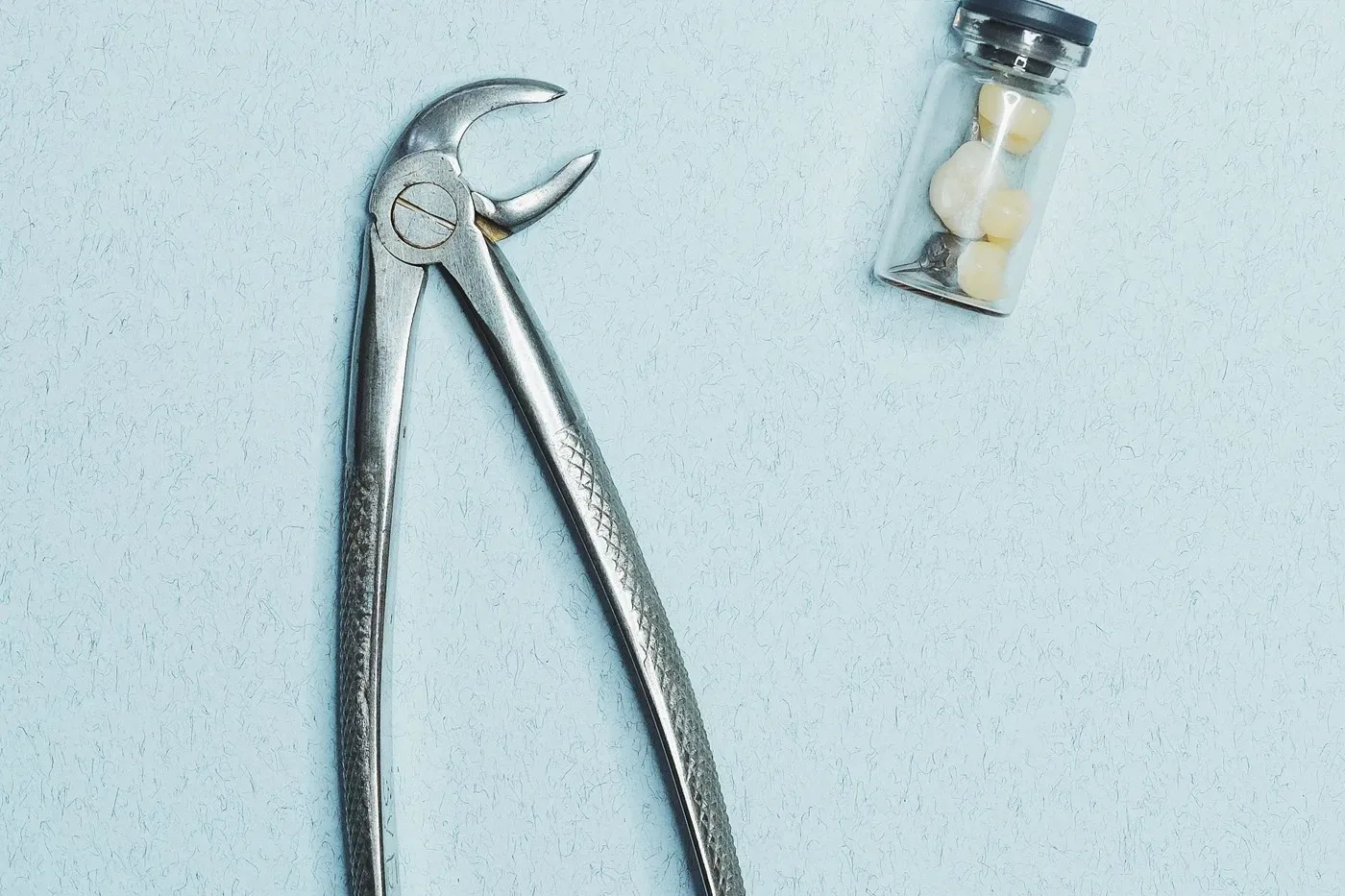
What is dry socket?
After a tooth is removed, blood collects in the socket and forms a blood clot. The clot covers the bone and nerve endings and helps the wound heal. If the clot comes loose or dissolves too early, the bone in the socket is exposed and becomes painful. This is called dry socket.
It does not always happen, but when it does it is quite uncomfortable. You may also read our article on what to eat after a tooth extraction to care for the area properly in the first 48 hours.
Signs to recognise
- Severe pain that grows around the second to fourth day after the extraction, instead of easing as expected.
- Pain that may spread to the ear, temple or along the jaw.
- A bad smell or an unpleasant taste in the mouth.
- On looking, the socket appears empty, showing pale bone instead of a dark red clot.
It helps to tell this apart from normal pain: ordinary pain eases day by day, while dry socket pain increases.
Why does it happen?
- Rinsing too hard or spitting a lot in the first days.
- Using a straw or smoking.
- Poking the socket with the tongue or a hard object.
- Chewing on the side of the extraction before it has healed.
- A difficult extraction, or a site that was already inflamed.
How to prevent it
- Follow the dentist's aftercare instructions and bite on the gauze for the full time.
- For the first two days, do not rinse hard, use a straw or smoke.
- Eat soft, cool food and chew on the opposite side.
- Keep fingers and tongue away from the wound.
When should you come back?
If the pain increases rather than eases, or the mouth has a clear bad smell, come back so the dentist can check. The dentist will clean the socket and protect the exposed area to relieve the pain. Please do not take medicine on your own or poke the socket without instruction. For bleeding after an extraction, you may read how long it takes to stop.
You are welcome to walk in during opening hours at Nha Khoa Kỳ Hòa, 266A - 268, 3 Tháng 2 Street, Hòa Hưng Ward, Ho Chi Minh City, or call the hotline 028.3868.1097 (Zalo 082.299.3377) to ask about quieter time slots.
Frequently asked questions
On which day after extraction does dry socket appear?
It usually shows around the second to fourth day, when the pain does not fade but instead gets stronger.
Does dry socket go away on its own?
It may slowly heal over time but is usually very uncomfortable. It is better to come back so the dentist can treat it, easing the pain and helping healing.
Are wisdom tooth extractions more likely to cause dry socket?
Lower back teeth, especially wisdom teeth that were hard to remove, often carry a higher risk. So keep the socket very still during the first days.