
The three common filling materials are tooth-coloured composite, silver amalgam and glass ionomer. Each has its own strengths, and the dentist chooses based on the tooth, the size of the cavity and the patient's situation.
- Composite matches tooth colour, looks natural and usually needs less tooth removed.
- Silver amalgam is strong but not natural looking and is used less and less.
- Glass ionomer releases fluoride and suits baby teeth and root-surface decay.
- The dentist chooses the material based on tooth position, cavity size and the patient's situation.
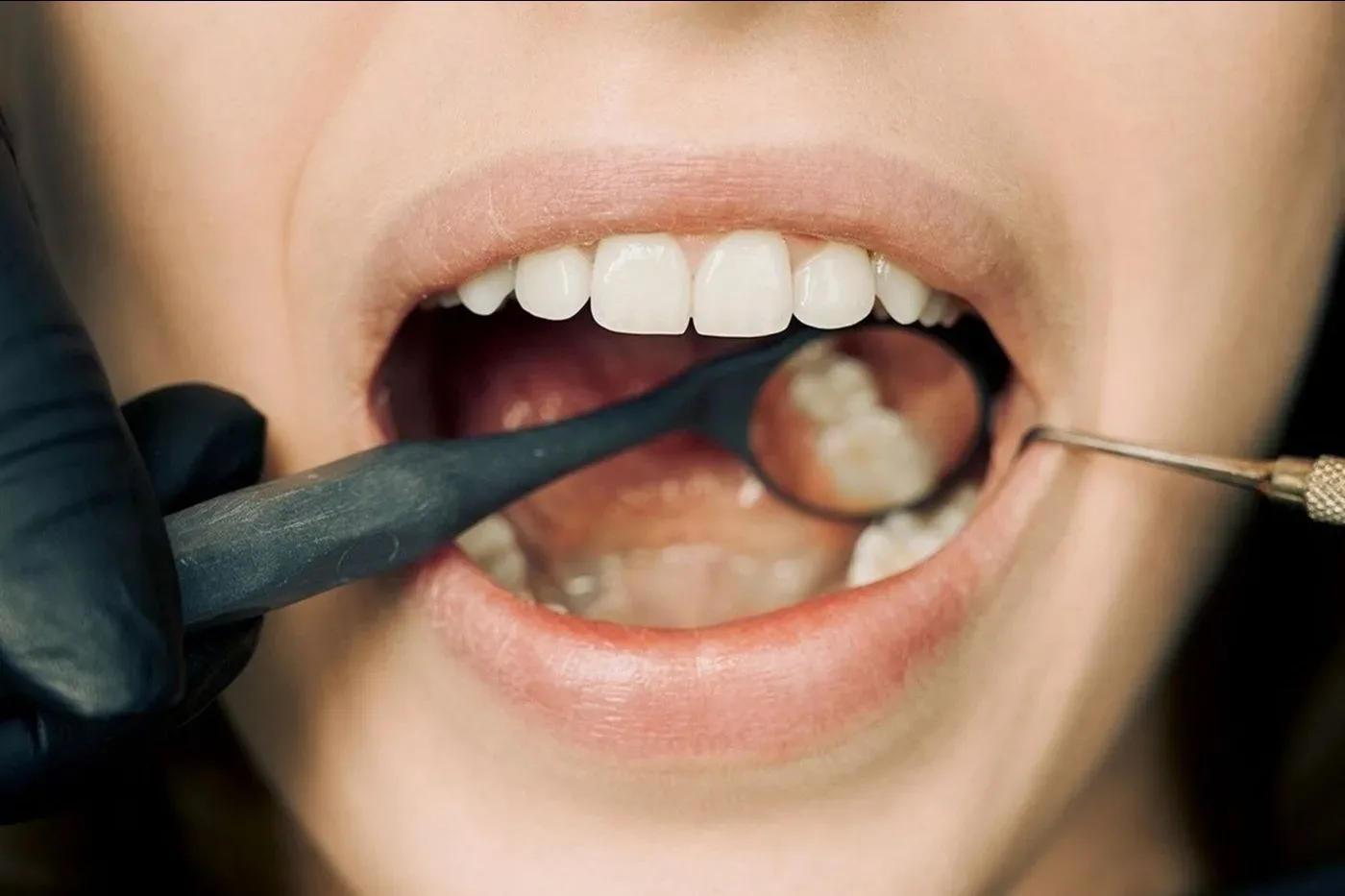
When getting a filling, many people wonder why fillings used to be silver and are now tooth-coloured, and which kind lasts longer. This article introduces the three most common filling materials so you can follow your dentist's advice more easily.
Composite: the tooth-coloured filling
Composite is a mix of resin and fine filler particles, available in many shades to match natural teeth. The dentist places it in layers into the cavity and hardens each layer with a curing light.
- Advantages: looks natural, bonds to the tooth so less healthy tooth usually needs to be removed, and can be used on both front and back teeth.
- Points to note: the tooth must be kept dry during placement, and the filling can stain over time with a lot of coffee, tea or smoking.
Amalgam: the silver filling
Amalgam is an alloy of silver, tin, copper and mercury that has been used for more than a century. Many older adults still have amalgam fillings that have lasted for decades.
- Advantages: withstands chewing forces well and is less affected by moisture during placement.
- Points to note: the silver colour is not natural looking, and more tooth must be shaped to hold the filling. Many places now limit amalgam use for environmental reasons, especially for children and pregnant women.
An old amalgam filling that is intact, with no cracks and no decay at the edges, usually does not need to be removed just out of worry. Your dentist will check it and advise when replacement makes sense.
Glass ionomer: a fluoride-releasing material
Glass ionomer (GIC) is an opaque white material that bonds chemically to the tooth and slowly releases fluoride, which helps limit new decay around the filling.
- Often used for: baby teeth, root-surface decay in older adults, lining deep cavities and temporary fillings.
- Points to note: it is less durable than composite in areas that take heavy chewing forces.
How does the dentist choose a material?
- Tooth position: front teeth need a natural look, back teeth need strength.
- Cavity size: a very large cavity may need a crown instead of a filling; see filling or crown.
- Whether the area can be kept dry, plus the patient's age and cleaning habits.
Fillings are usually a gentle procedure; see does a filling hurt. If an old filling has fallen out, see what to do when a filling falls out.
If you would like a decayed tooth or an old filling checked, visit Nha Khoa Ky Hoa at 266A - 268, 3 Thang 2 Street, Hoa Hung Ward, Ho Chi Minh City. Hotline 028.3868.1097, Zalo 082.299.3377.
Frequently asked questions
How long does a composite filling last?
Usually many years with good care, but it depends on the size of the filling, chewing forces and cleaning habits.
Should all old amalgam fillings be replaced?
Not if they are intact with no decay at the edges. Your dentist will check and advise case by case.
How soon can I eat after a filling?
Composite hardens as soon as it is light-cured. With other materials, or while you are still numb, your dentist will tell you how long to wait.