
Many people put off filling a cavity because they fear pain. In practice a filling is a gentle procedure, and it usually hurts very little when the tooth is treated early.
- Fillings usually hurt very little, the earlier the cavity is treated the gentler it is, and sensitive teeth are numbed locally.
- One filling visit takes about half an hour to an hour, and you can chew gently once the numbness has worn off, avoiding hard food for the first days.
- A filling lasts from several years to longer depending on the material, chewing habits and oral hygiene.
- If decay has reached the pulp, a simple filling is not enough and root canal treatment is needed first, so see a dentist early when a tooth turns sensitive or has a cavity.
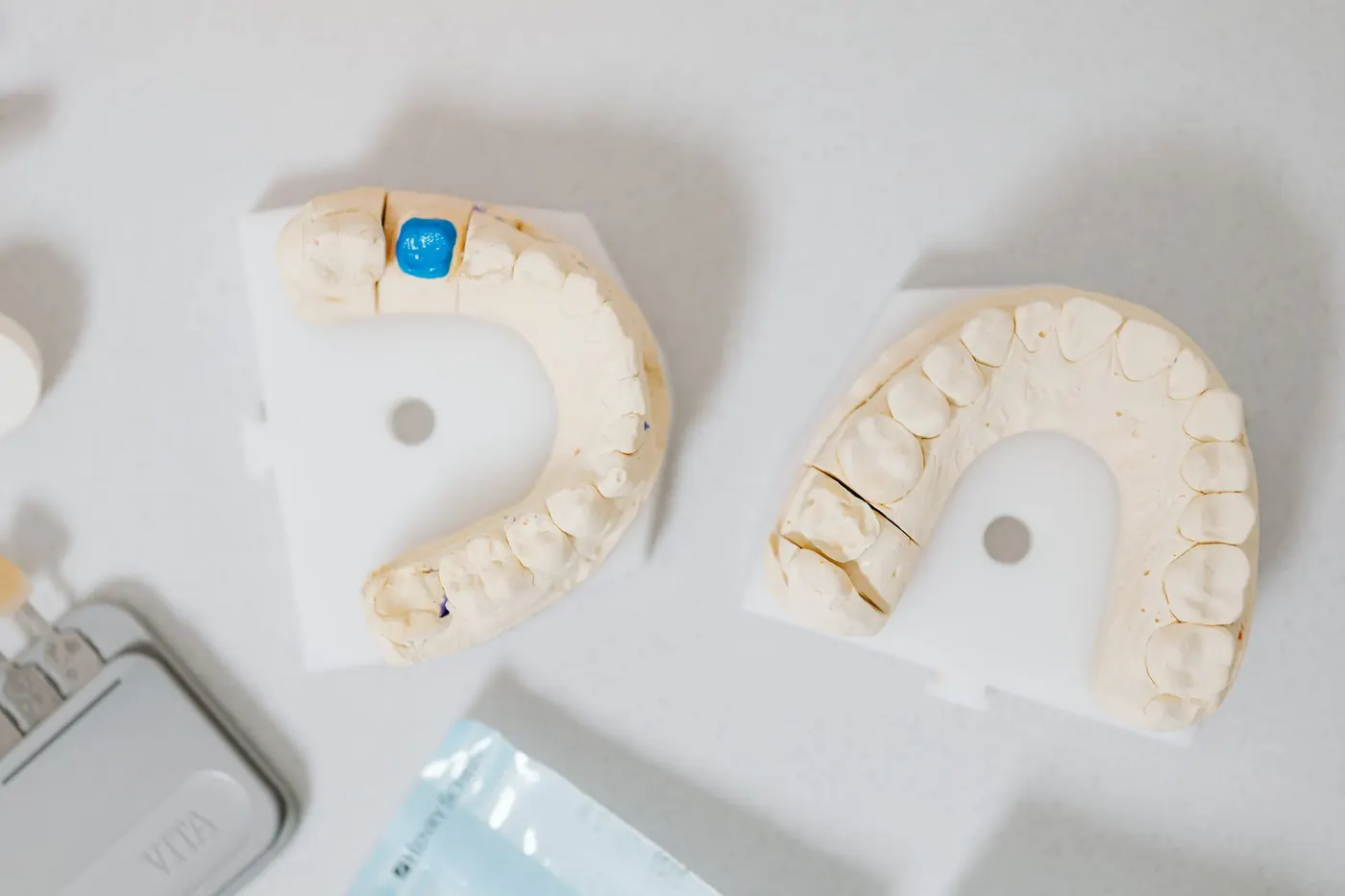
A small cavity is often left alone until the tooth starts to ache. The most common reason is fear that a filling will hurt. This article explains how the procedure goes, what it feels like, and how to care for the tooth so the filling lasts.
Does a filling hurt?
In most cases a filling does not hurt much. The usual sensation is mild sensitivity while the decayed part is cleaned out, and the noise of the drill is more unsettling than painful.
How much it hurts depends on how deep the cavity is:
- Decay in the enamel or shallow dentin: usually only slight sensitivity, and often no anesthetic is needed.
- Deep decay close to the pulp: the tooth is more sensitive, so the dentist uses a local anesthetic and you should not feel pain during the work.
- Decay that has reached the pulp: a simple filling is not enough, and root canal treatment is needed first. See how to tell if decay has reached the pulp.
The earlier a cavity is filled, the gentler the treatment. If it is left, the tooth hurts more and needs more complex work.
How does a filling visit go?
A typical filling visit includes these steps:
- Examination and an X-ray if needed to see how deep the decay is and whether the pulp is healthy.
- Local anesthetic when the tooth is sensitive.
- Removing the decayed part and shaping the cavity so the material bonds firmly.
- Placing the filling material, hardening it with a light, then shaping it to fit your bite.
- Checking the bite and polishing the surface.
One tooth usually takes about half an hour to an hour, depending on depth and the number of teeth.
When can I eat after a filling?
If the tooth was numbed, wait until the numbness wears off before eating so you do not bite your cheek or tongue without noticing. With light-hardened material you can usually chew gently soon afterwards.
For the first few days:
- Avoid very hard or very chewy food on the filled side.
- Avoid very hot or very cold food if the tooth is still sensitive.
- Brush gently and keep using floss as usual.
Mild sensitivity for a few days after a filling is common. If it gets worse, or you feel pain when biting or at night, return for a check.
How long does a filling last and when should it be redone?
There is no fixed figure for everyone. A filling lasts from several years to much longer depending on the material, its size, your chewing habits and how well you clean your teeth. People who grind their teeth, eat hard food or clean poorly often need a replacement sooner.
See a dentist if you notice:
- A chipped, cracked or loose filling.
- A gap between the filling and the tooth where food keeps getting stuck.
- Sensitivity returning, or darker discoloration around the filling.
A check-up every six months helps catch a failing filling early, before decay spreads. If the tooth is badly broken, the dentist may suggest another option; see filling or porcelain crown.
Fillings at Ky Hoa
For health insurance coverage of fillings, read whether fillings are covered by health insurance. For costs, see the price page or the article how much does a filling cost.
Nha Khoa Ky Hoa is at 266A - 268, 3 Thang 2 Street, Hoa Hung Ward, Ho Chi Minh City. You can walk in during working hours, or call the hotline 028.3868.1097 (Zalo 082.299.3377) to ask about quieter hours first.
Frequently asked questions
Do I need anesthetic for a filling?
Shallow cavities often need none, while deep or sensitive teeth are numbed locally so you feel no pain during the work. Tell the dentist right away if you feel sensitivity so it can be handled in time.
Is it normal for the tooth to be sensitive after a filling?
Mild sensitivity for a few days is common and usually fades. If it gets worse, you feel pain when biting or at night, return so the dentist can check the tooth.
Can a filled tooth decay again?
Yes, especially at the edge of the filling if cleaning is poor. Brushing well, flossing and a check-up every six months help catch problems early.
When is a filling not enough and root canal treatment needed?
When decay has reached the pulp, the tooth often aches on its own, at night or with spreading pain. The dentist will then advise root canal treatment before restoring the tooth.