
This is the most common dental service within health insurance cover, and also the one people are least aware they are entitled to.
- Fillings placed to treat a condition are covered by health insurance, where prescribed by a dentist and carried out at a facility holding a health insurance examination and treatment contract.
- Covered procedures include treatment of dentine decay restored with composite or glass ionomer cement, cervical restorations, fissure sealants, and restorations in children's baby teeth.
- Fillings for cosmetic purposes, such as composite veneers, fall outside cover.
- The benefit level depends on the category recorded on your card, so call our hotline and read out its details to confirm before visiting.
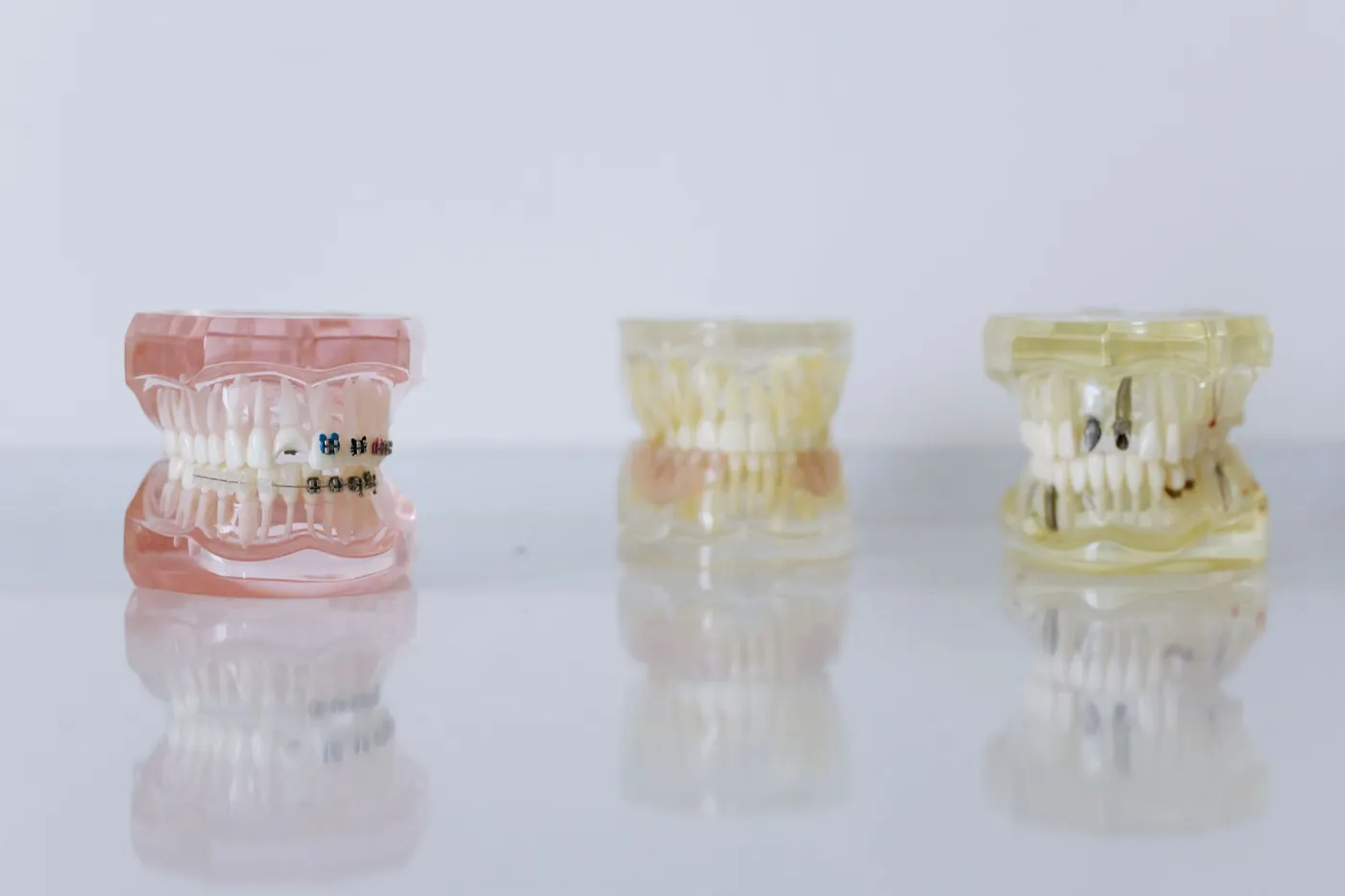
Many people assume a health insurance card is only for hospitals and serious illness, and that anything to do with teeth is paid for out of pocket. For fillings, that is not the case.
The short answer
Yes. Fillings placed to treat a condition fall within health insurance cover, provided a dentist has examined you and prescribed the treatment, and the work is done at a facility holding a health insurance examination and treatment contract.
It is one of the most practical entitlements available and one of the least used, partly because it is not well known and partly because most private dental clinics do not accept health insurance cards.
Which filling procedures are covered?
Within the technical schedule, restorative dentistry covers a number of procedures depending on the condition of the tooth and the material used. Those in the covered group at Ky Hoa Dental include:
- Treatment of dentine decay restored with composite.
- Treatment of dentine decay restored with glass ionomer cement.
- Cervical restoration with composite, for wear at the neck of the tooth near the gum line.
- Fissure sealants, generally used to prevent decay in deep grooves on biting surfaces.
- Treatment and restoration of dentine decay in baby teeth for children.
Which material is appropriate is the dentist's decision, based on the tooth position, the size of the cavity and the chewing load at that site, rather than a matter of preference. You are welcome to ask why a particular material was chosen for your tooth.
Conditions for cover
First, it must be treatment of a condition. Fillings for decay, cervical wear or damaged tooth structure fall within the treatment group. Work intended to change the shape or colour of teeth for appearance, such as composite veneers, falls outside cover.
Second, a dentist must have examined you and prescribed it. The dentist examines, identifies the damage and prescribes the treatment. This step is required, not a formality.
Third, it must be done at a facility holding a health insurance examination and treatment contract. This is why most private dental clinics cannot accept your card: they have not entered into this contract with the social insurance agency.
Ky Hoa Dental is the dental department of Ky Hoa Medical Centre, a general clinic holding such a contract, so your card applies when treating dental conditions here.
What is the benefit level?
The benefit level depends on the category recorded on your health insurance card under the Law on Health Insurance. Any remaining balance, together with services outside the covered scope, is set out for you before treatment begins.
We do not quote figures here because every card differs. The most reliable approach is to call our hotline and read out the details on your card so we can confirm your position before you visit.
What to bring
- Your health insurance card, or the VssID or VNeID app on your phone.
- Photo identification.
- Any previous x-rays or dental records, for the dentist's reference.
For a child, bring the child's health insurance card, including a student health insurance card, together with photo identification of the accompanying adult.
How it works at Ky Hoa Dental
You register at reception and present your health insurance card and identification. The dentist examines you, takes an x-ray where the depth of the lesion needs assessing, and discusses the treatment approach.
Before starting, you are told clearly which items fall within health insurance cover, which are self-paid, and the expected total. Treatment proceeds once you agree.
For a cavity that has not reached the pulp, the filling is usually completed in the same appointment. If the damage has reached the pulp, the approach differs and the dentist will explain it.
A note on timing
Health insurance applies to treatment of a condition, and the cost of treatment rises with the extent of the damage. A cavity filled early is a very different proposition from a tooth that has needed root canal treatment followed by a crown, both in time and in cost, and the crown portion is self-paid.
So if food packs into one particular spot, a tooth is sensitive to sweet or cold, or you can see a dark mark on a tooth, arrange an appointment. Ky Hoa Dental sees patients at 266A - 268, Duong 3 Thang 2, Hoa Hung Ward, Ho Chi Minh City, Monday to Saturday, and accepts health insurance on Saturdays as well.
Frequently asked questions
Are cosmetic fillings covered by health insurance?
No. Health insurance covers fillings placed to treat a condition such as decay or cervical wear. Work intended to change the shape or colour of teeth for appearance, such as composite veneers, falls outside cover.
Are fillings in children's baby teeth covered?
Yes. Treatment and restoration of dentine decay in baby teeth falls within the covered group when prescribed by the dentist. Bring the child's health insurance card, including a student health insurance card, together with photo identification of the accompanying adult.
Can I use my health insurance card at a private dental clinic?
Only if that facility holds a health insurance examination and treatment contract with the social insurance agency. Most private dental clinics do not, so patients pay the full cost. Ky Hoa Dental belongs to Ky Hoa Medical Centre, a general clinic that does hold such a contract.