It is hard to ban sweets completely for children. What matters more is when your child eats them, which kind, and how the teeth are cleaned afterwards.
- Each time sugar is eaten, teeth are under acid attack for about one to two hours, so lollipops and sticky sweets are more harmful.
- Give sweets right after a main meal, not scattered through the day and not before bed.
- Have your child rinse after sweets and brush twice a day with help.
- Agree on a time and a small amount instead of an absolute ban.
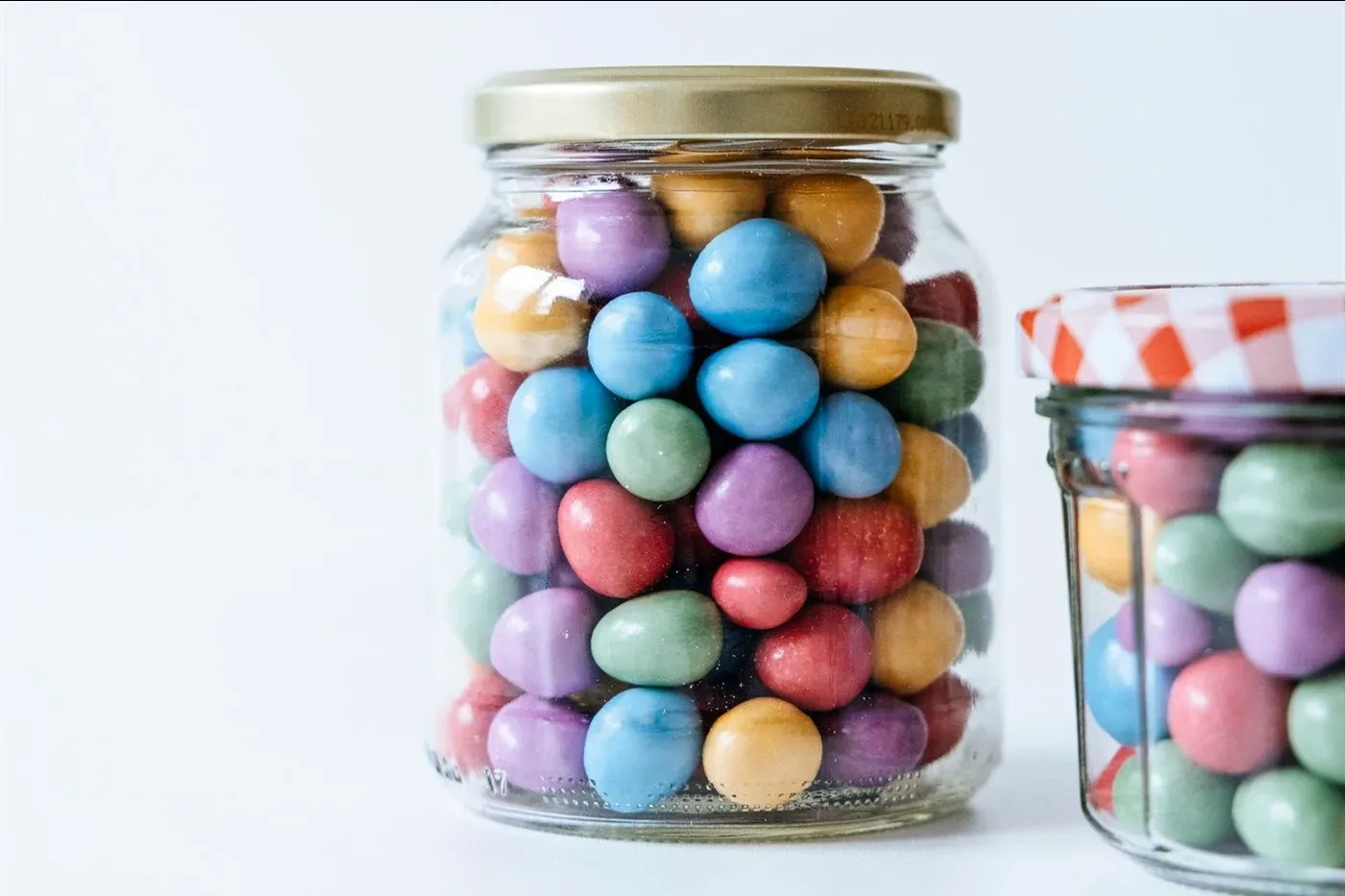
Sweets are something most children love, and few parents can ban them entirely. The problem is not only the amount of sugar but also how long sugar stays in contact with the teeth and how the teeth are cared for afterwards.
Why are sweets harmful to teeth?
Bacteria in the mouth turn sugar into acid, which makes the enamel lose minerals. Each time sugar is eaten, the teeth are under acid attack for about one to two hours. So a lollipop sucked for a long time, or a chewy sweet that sticks to the teeth, does more harm than eating a sweet quickly once and stopping.
How can you let your child eat sweets with less harm?
- Keep sweets to mealtimes: let your child have them right after a main meal instead of scattered through the day.
- Limit types that stick to the teeth, such as toffee, chewy sweets and long lasting lollipops.
- Do not give sweets before bed after the teeth have been brushed.
- Do not use sweets as a regular reward.
- Have your child drink plain water or rinse after eating sweets.
You may also read how to snack with less harm to teeth and whether milk tea and soft drinks harm teeth.
Caring for teeth after sweets
- Have your child rinse with clean water right after eating.
- Brush twice a day, with the evening brushing before bed being the most important, and help young children.
- Use the right amount of toothpaste for the child's age.
What if my child keeps asking for sweets?
You do not need an absolute ban. It is better to agree clearly that your child may have sweets at a certain time of day, in small amounts. Offer fresh fruit or low sugar yoghurt when your child asks for a snack.
When should you bring your child for a check?
If your child feels sensitivity with sweet food, or has black cavities or chalky white spots on the teeth, bring your child for a check. See tooth decay in children. Nha Khoa Ky Hoa is at 266A - 268, 3 Thang 2 Street, Hoa Hung Ward, Ho Chi Minh City. Parents can walk in during opening hours, or call the hotline 028.3868.1097 to ask about quieter times first.
Frequently asked questions
When is the least harmful time for a child to eat sweets?
Right after a main meal rather than scattered through the day, and not after the teeth have been brushed before bed.
Which sweets are more harmful to teeth?
Sticky ones such as toffee and chewy sweets, and lollipops that stay long in the mouth, are more harmful because sugar stays in contact with teeth for longer.
Should sweets be banned completely for children?
No absolute ban is needed. Agree on a time and a small amount, and follow with rinsing and proper brushing.