
A sharp twinge in a tooth as you bite a sweet cake or drink milk tea is often an early warning. It usually means the tooth has a problem rather than simply being sensitive.
- Sensitivity just to sweet food often shows that the dentin is exposed through decay, thin enamel or gum recession.
- Sensitivity in one fixed tooth when eating sweets often suggests decay or a leaking filling.
- Cutting down on sweets, rinsing after sweet food and brushing gently ease discomfort but do not replace finding the cause.
- Sensitivity returning for days or limited to one tooth is a reason to be checked early.
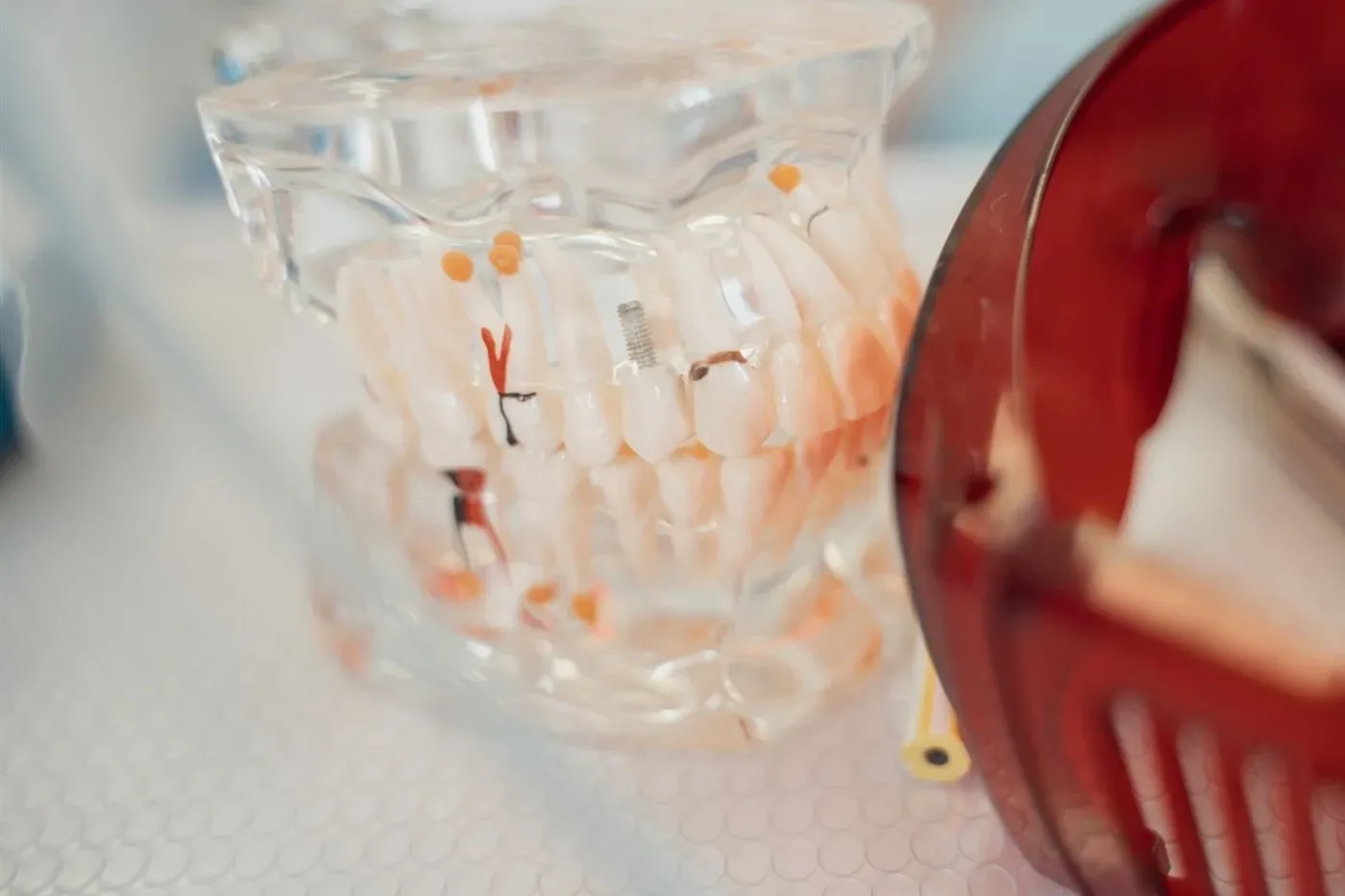
Many people feel a tooth ache and twinge as soon as they eat cake, sweets or sweet fruit or drink milk tea, while salty food is fine. Sensitivity just to sweet food is a fairly distinctive sign, and it often shows that the enamel has been damaged somewhere.
Why does sugar make a tooth sensitive?
Sugar changes the osmotic pressure outside the dentin, which moves the fluid in the dentin channels and stimulates the nerve. If the enamel is intact this does not happen. So when a tooth reacts to sweet food, it is usually a sign that the dentin is exposed.
Common causes
- Early decay: a small cavity that has passed through the enamel, see whether painless decay needs a check.
- Thinned enamel from hard brushing or acidic food.
- Cervical wear or gum recession that exposes the root, see what cervical wear is.
- An old filling with a gap at the edge, or a small crack in the tooth.
How can you tell it from ordinary sensitivity?
- Sensitivity in one fixed tooth, especially with sweet food, often suggests decay or a leaking filling.
- Sensitivity in several teeth at once, with hot, cold and wind, often suggests worn enamel or recession, see what to do about teeth that ache with cold food.
What can you do at home?
- Cut down on sweets, soft drinks and constant snacking, see whether milk tea and soft drinks harm teeth.
- Rinse with clean water after sweet food and brush gently with a soft toothbrush.
- Avoid chewing on the sore side to ease the pain.
These measures only ease discomfort. They do not fix the cause underneath.
When should you visit Ky Hoa Dental Clinic?
Come for a check if sensitivity to sweet food keeps returning for days, is only in one tooth, or there is a dark mark on the tooth. Finding decay early makes a filling far simpler. Nha Khoa Ky Hoa is at 266A - 268, 3 Thang 2 Street, Hoa Hung Ward, Ho Chi Minh City. You can walk in during opening hours, or call the hotline 028.3868.1097 to ask about quieter times first. For reference costs, see our price list.
Frequently asked questions
Is sensitivity to sweet food always decay?
It usually shows the enamel has been damaged, and early decay is a common cause. A dentist needs to check to be sure.
Is sensitivity only to sweets different from sensitivity to cold?
It can be. Sensitivity in one tooth with sweet food often suggests decay or a leaking filling, while sensitivity in several teeth to hot and cold often suggests worn enamel or gum recession.
Will cutting down on sweets stop the sensitivity?
It only eases discomfort and prevents more decay. If a cavity or enamel wear is already present, the dentist still needs to deal with the cause.