
Tooth decay does not spread like a cold, but the bacteria behind it can pass from an adult's saliva to a young child through spoons, cups and tasting food.
- Tooth decay is not contagious like a cold, but cavity bacteria can pass through saliva.
- Tasting and feeding with the same spoon, sharing cups and cleaning pacifiers by mouth are common routes.
- Separate spoons, letting food cool naturally and individual toothbrushes lower the risk.
- Caregivers should treat their own cavities to protect young children.
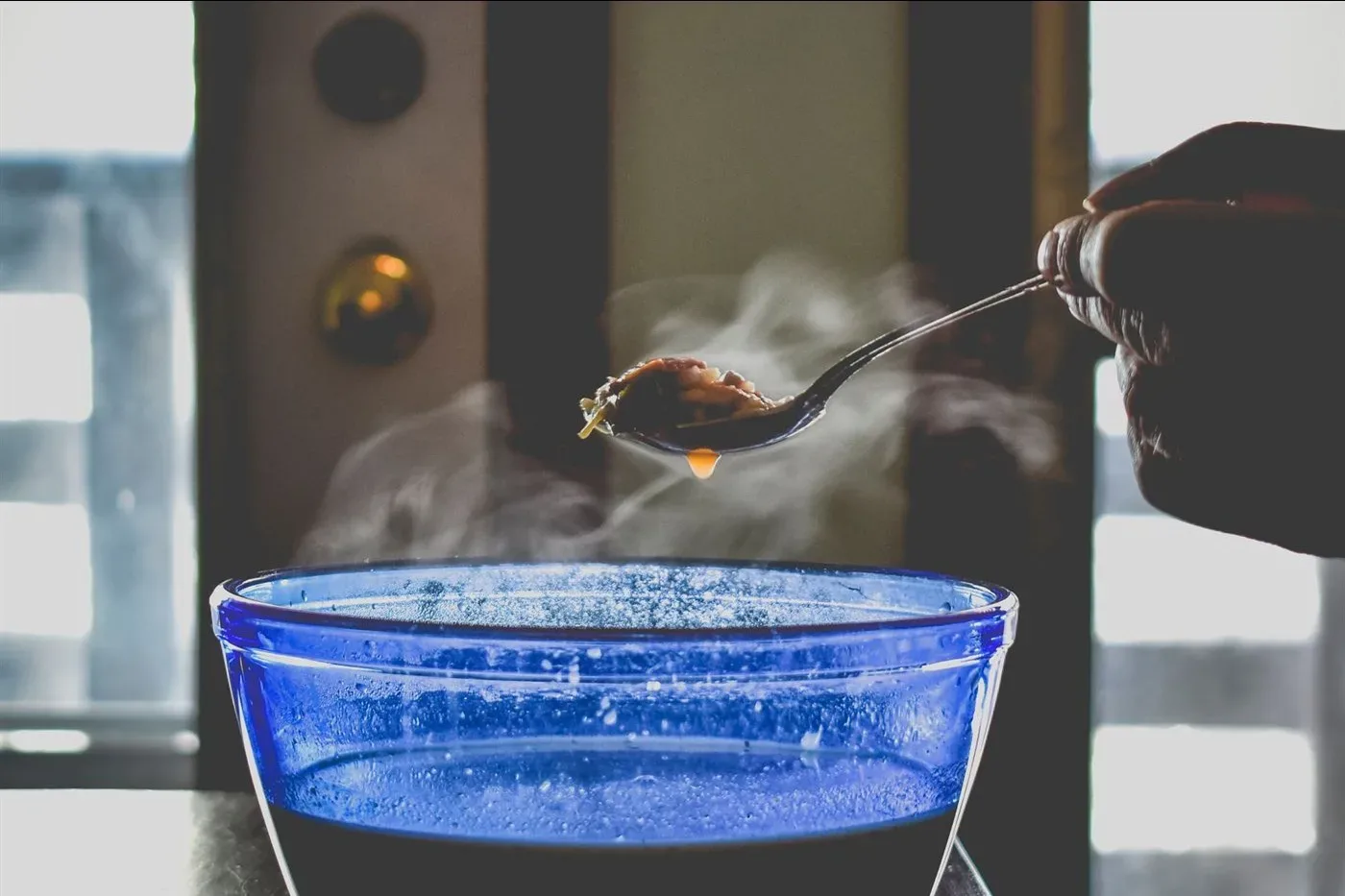
Many parents and grandparents cool a bowl of porridge by blowing on it, taste a spoonful, and then feed the child with the same spoon. It is a loving and natural habit. Still, it helps to know that tooth decay is a bacterial disease, and these bacteria can travel in saliva from an adult's mouth to a child's mouth.
Is tooth decay contagious?
Tooth decay is not contagious in the way a cold is. You do not catch it by standing close to someone. However, the main bacteria that cause cavities live in dental plaque and saliva. When a baby's first teeth come in, the mouth has very few of these bacteria. If caregivers often share spoons or cups, or taste food and then feed the child, these bacteria can settle on the child's teeth earlier.
Studies show that children whose mothers or main caregivers have many untreated cavities are more likely to develop early decay themselves. Bacteria are only one part of the picture, though. Whether a child gets cavities also depends on how often they eat sweet foods, whether they feed at night, and whether their teeth are brushed well every day.
Habits that can pass bacteria to children
- Tasting porridge or milk and feeding the child with the same spoon.
- Blowing on food very close to your mouth and feeding it straight away.
- Putting a pacifier or bottle nipple in your own mouth to clean it.
- Sharing cups, straws or toothbrushes with the child.
- Pre-chewing food before giving it to the child.
What parents can do to lower the risk
There is no need to worry too much or avoid being close to your child. A few small changes are enough:
- Use one spoon for tasting and a separate spoon for feeding.
- Let food cool naturally or stir it instead of blowing on it.
- Rinse pacifiers with clean water instead of your mouth.
- Give every family member their own toothbrush and cup.
- Adults who care for children should have their own teeth checked, treat any cavities and have plaque and tartar removed. A cleaner adult mouth means fewer bacteria to pass on.
You can also read our article on sharing toothbrushes in the family for more on household hygiene.
Caring for a child's teeth from the very first tooth
As soon as the first tooth appears, wipe or brush it twice a day, avoid letting the child fall asleep with milk in the mouth, and cut down on sweet snacks between meals. If you notice chalky white spots or brown dots on your child's teeth, bring them for a check-up early. See also tooth decay in children and when to take a child for a first dental visit.
Healthy baby teeth help children chew well and also hold space for the permanent teeth that come in later.
If you would like the whole family's teeth checked, you can visit Nha Khoa Ky Hoa at 266A - 268, 3 Thang 2 Street, Hoa Hung Ward, Ho Chi Minh City, or call the hotline 028.3868.1097 or Zalo 082.299.3377 to ask about quieter times to come in.
Frequently asked questions
Can kissing a child's cheek cause cavities?
Kissing a cheek is very unlikely to pass on decay bacteria. What matters is avoiding adult saliva getting into the child's mouth through spoons, cups or pacifiers.
Should a mother treat her own cavities while her child is small?
Yes. Treating decay and keeping your mouth clean lowers the amount of bacteria that can pass to your child.
If a child already has these bacteria, will they always get cavities?
No. Regular brushing, fewer sugary snacks and routine check-ups still help children keep healthy teeth.