
A swollen cheek after wisdom tooth removal is a common reaction. This article explains how long swelling is normal, how to care for it and which signs call for a follow-up visit.
- Cheek swelling after wisdom tooth removal is a normal reaction and usually peaks on the second or third day.
- Most cases go down gradually and mostly disappear within about 5 to 7 days.
- A cold compress in the first 24 hours, soft cool food and leaving the wound alone help the swelling settle.
- Swelling that keeps growing, fever, severe pain or trouble opening the mouth are signs to return for a check early.
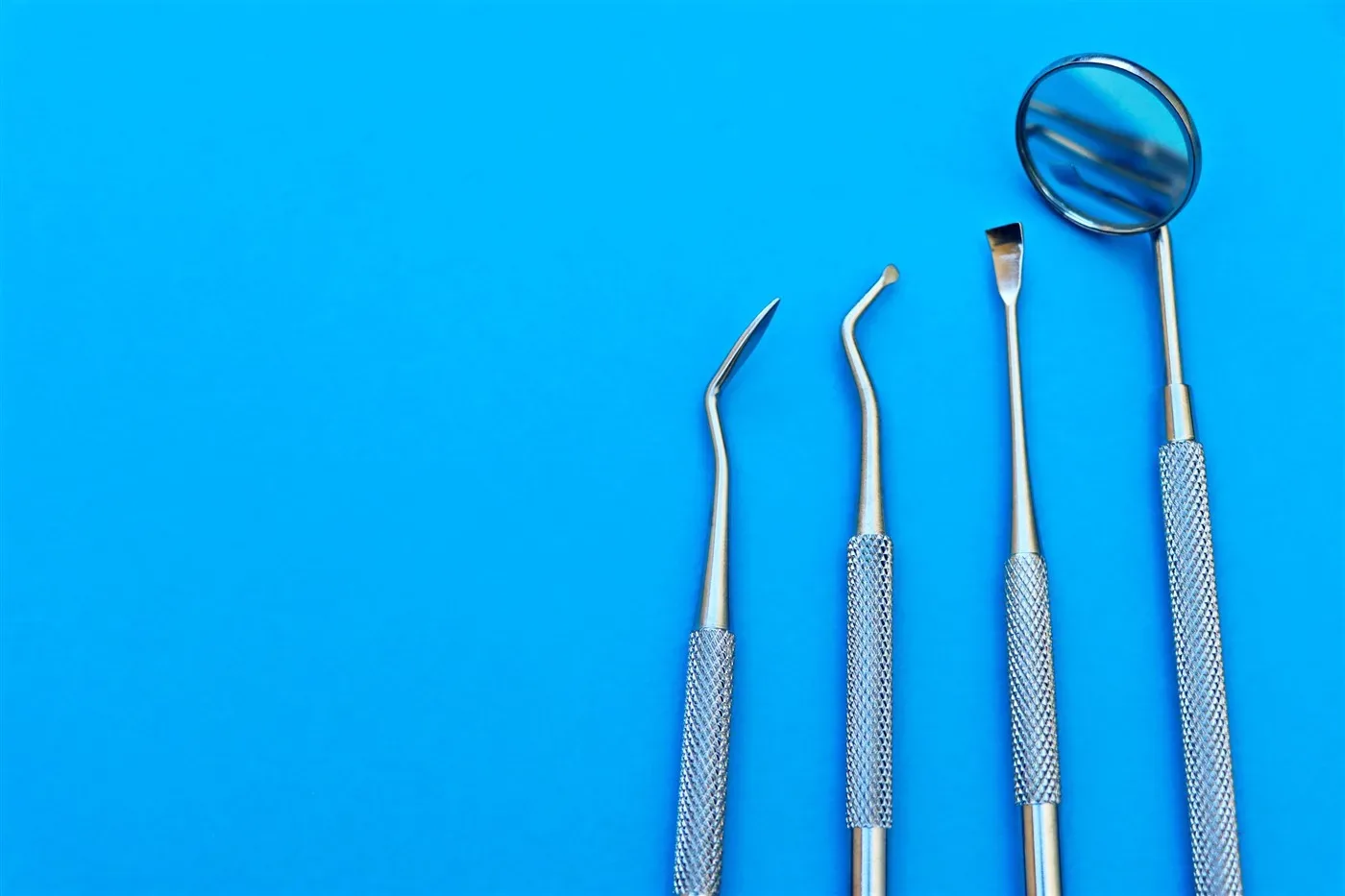
Many people are surprised when their cheek swells up after wisdom tooth removal, and the swelling can look worrying. In fact, it is a normal reaction of the body after a procedure that works on the gum and the bone around the tooth. What matters is knowing what level of swelling is expected and when to come back for a check.
How long does cheek swelling last after wisdom tooth removal?
Swelling usually starts a few hours after the procedure, peaks on the second or third day, then goes down gradually and mostly disappears within about 5 to 7 days. Teeth that grew at an angle or were impacted, and needed the gum opened or the tooth divided, tend to cause more swelling for longer than teeth that grew straight.
Why does the cheek swell?
When a tooth is removed, the gum and the nearby tissue are disturbed, so the body sends extra fluid and blood to repair the area and the tissue puffs up. This inflammatory response is helpful because it supports healing. The amount of swelling differs with the position of the tooth, the difficulty of the case and each person's body.
How to help the swelling go down
- During the first 24 hours, apply a cold pack to the outside of the cheek through a thin cloth for 10 to 15 minutes at a time, with a short break between rounds.
- After 48 hours, switch to gentle warmth only if your dentist advises it.
- Sleep with your head slightly raised.
- Eat soft, cool food and avoid chewing on the side of the extraction.
- Do not rinse hard, and do not touch the wound with your fingers or tongue.
For eating tips, see our article on what to eat after a tooth extraction.
Warning signs that need a check
Contact the clinic early if you notice any of the following:
- Swelling that keeps growing after day 3 instead of shrinking.
- Fever, chills, or a cheek that is hot, red and tight.
- Severe pain that does not ease, a bad smell, or pus.
- Difficulty opening the mouth, swallowing, or breathing.
These signs may point to infection or dry socket and should be examined by a dentist. Our article on dry socket after extraction explains this condition in more detail.
If you are unsure, call the hotline 028.3868.1097 or visit us in person during working hours at 266A - 268, 3 Thang 2 Street, Hoa Hung Ward, Ho Chi Minh City, so that the dentist can look at the wound.
Frequently asked questions
Do I need medicine for cheek swelling after wisdom tooth removal?
Mild swelling usually settles by itself with proper care. If the swelling is large or painful, the dentist will assess it and give specific advice, so please do not buy medicine on your own.
Is it a problem if only one cheek is swollen?
Wisdom teeth are often removed one side at a time, so swelling on one side is normal. Pay attention only if it keeps growing, or comes with fever or severe pain.
Should I use a warm compress right after the extraction?
No. During the first 24 hours a cold compress helps limit swelling. Heat applied too early can increase swelling and bleeding.