
This is information many older patients do not think to mention when attending for an extraction, yet it can change how the dentist plans the whole procedure.
- Not everyone taking osteoporosis medication is unable to have a tooth out. Most cases proceed with more thorough assessment and preparation.
- The risk arises when the dentist does not know you take the medication, so bring your prescriptions to your dental appointment.
- For this group, dentists often favour options that keep the tooth rather than removing it, where the condition of the tooth allows.
- Do not stop osteoporosis medication on your own in order to have a tooth out; that decision belongs to the doctor managing your treatment.
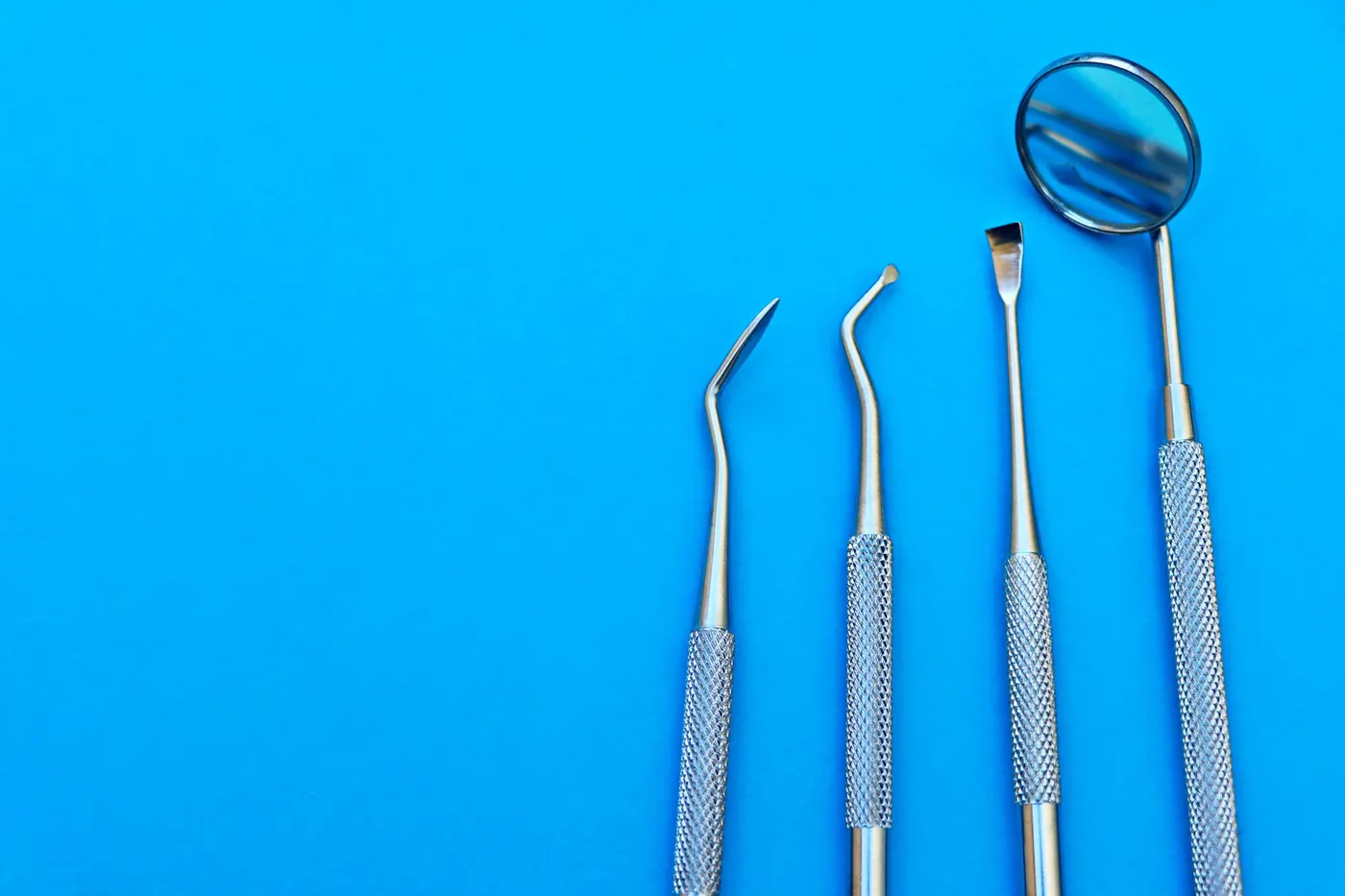
When seeing an older patient, the dentist always asks what medication you are taking. Many people mention blood pressure, diabetes and heart medication but leave out osteoporosis treatment, on the assumption that bones and teeth are separate matters. In fact it is one of the things a dentist most needs to know.
Why osteoporosis medication is relevant to dentistry
Several classes of medication used in osteoporosis work by slowing bone resorption, which helps maintain bone density. That is the intended effect and the reason they are prescribed to prevent fractures.
But the jaw is bone too. After anything that injures the jaw bone, such as an extraction, that area has to go through a remodelling process to heal. In some people who are taking, or have taken, these classes of medication, healing at the site of the procedure can be more difficult.
This is why the literature recommends careful assessment before procedures affecting the jaw bone in this group of patients. How much caution is warranted varies considerably with the specific medication, the route of administration, the dose, how long it has been taken and the reason for treatment.
The most important point
Not everyone taking osteoporosis medication is unable to have a tooth out. This needs saying clearly so that people do not become alarmed and avoid dental care altogether.
Most cases can still proceed; they simply require more thorough assessment and preparation, and sometimes a discussion with the doctor managing your osteoporosis. The risk does not come from taking the medication. It comes from the dentist not knowing that you take it.
What to tell your dentist
- The names of medication you take now and have taken previously. Bring your prescriptions or photograph the packaging.
- Whether the medication is taken by mouth or given by injection or infusion.
- How long you have been taking it, and whether there have been any breaks.
- Why it was prescribed: osteoporosis alone, or treatment related to another condition.
- The name and clinic of the doctor managing your treatment, so the dentist can make contact if needed.
- Other medical conditions and medication, particularly anticoagulants and diabetes treatment.
- Whether you have ever had radiotherapy to the head, face or neck.
The simplest approach is to bring all your current prescriptions to your dental appointment. You do not need to remember drug names; just hand the prescriptions to the dentist.
What the dentist will do
Knowing you fall into a group requiring caution, the dentist will assess more thoroughly before deciding. Approaches commonly considered:
- Favouring options that keep the tooth rather than removing it. For example root canal treatment to retain a tooth instead of extracting it, where the condition of the tooth allows. This is a significant change of approach compared with the usual course.
- Liaising with the doctor managing your osteoporosis about the plan, where appropriate.
- Clearing sources of infection in the mouth and reinforcing oral hygiene before any procedure.
- Arranging closer follow-up afterwards, with review appointments to check the healing site.
- Explaining carefully which signs should be reported straight away.
Please note: do not stop your osteoporosis medication on your own in order to have a tooth out. Whether to pause or continue is a decision for the doctor managing your treatment, not something to do yourself or for a dental clinic to decide alone.
Signs to report after an extraction
Follow-up matters more than usual in this group. Contact the clinic if you experience:
- An extraction site that has not healed within the timeframe the dentist described.
- Pain that persists or increases instead of easing.
- Swelling, discharge or an unpleasant smell at the site.
- A sensation of exposed bone, or a hard point you can feel at the site.
- Persistent numbness of the lip, chin or tongue.
These should be checked promptly rather than left to settle.
The sensible preventive approach
For anyone on, or about to start, osteoporosis treatment, the priority is to keep the mouth healthy so that extractions are less likely to be needed later. In practice:
- Attend regular check-ups so problems are found and dealt with while still minor.
- Treat decay early, before a tooth reaches the point of being unsalvageable.
- Control periodontal disease, a very common cause of tooth loss in older adults.
- If you wear removable dentures, have them checked regularly so they do not rub and ulcerate the tissue.
- If you are about to begin osteoporosis treatment, see a dentist first and deal with any outstanding problems. This advice appears often in the literature but is not widely known.
If you are on osteoporosis treatment and having trouble with a tooth, please do not avoid seeing a dentist. Difficulties arise when the dentist is not given the full picture. Ky Hoa Dental is part of Ky Hoa Medical Centre, a general clinic, at 266A - 268, Duong 3 Thang 2, Hoa Hung Ward, Ho Chi Minh City, Monday to Saturday.
This article provides general information and does not replace an in-person examination and consultation. Every case needs individual assessment by a dentist.
Frequently asked questions
I take osteoporosis medication. Can I have a tooth out?
Most cases can still proceed, but they need more thorough assessment and preparation, and sometimes a discussion with the doctor managing your osteoporosis. What matters is telling your dentist at the outset and bringing your prescriptions. The risk arises when the dentist does not have this information, not from taking the medication itself.
Should I stop my osteoporosis medication before an extraction?
Do not stop it on your own. Whether to pause or continue is a decision for the doctor managing your treatment, based on your condition and your fracture risk. The dentist will liaise with your treating doctor where appropriate.
I am about to start osteoporosis treatment. What should I do about my teeth?
See a dentist before starting and deal with any outstanding problems, such as large cavities, retained roots or periodontal disease. Addressing these before medication begins is more straightforward, and it reduces the likelihood of needing procedures later.