
Most babies get their first tooth between 6 and 12 months. A few months late is usually normal, but a child with no teeth at all by 15 to 18 months should be checked.
- Most babies get their first tooth between 6 and 12 months of age.
- Being a few months later than other children is usually normal.
- A child with no teeth by 15 to 18 months, or with slow general development, should be checked.
- A dentist may use an X-ray to see whether tooth buds are forming in the jaw.
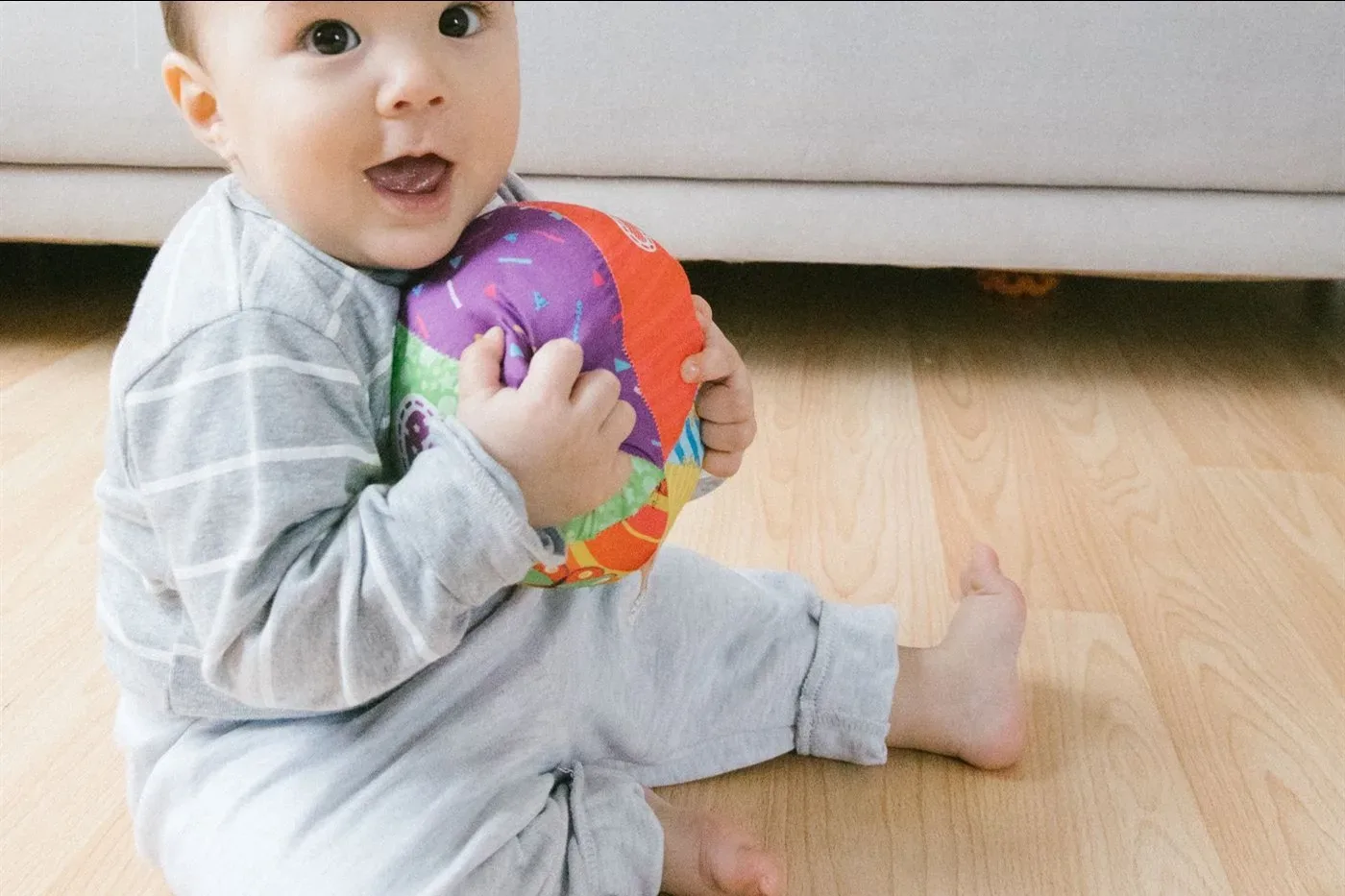
Many parents feel anxious when a neighbour's baby already has four or five teeth and their own child has none. In fact, the age when baby teeth appear varies a lot from child to child. This article explains the usual timeline, the common reasons for late teeth and when it is worth having a dentist take a look.
When do baby teeth usually come in?
The first tooth is usually a lower front tooth, appearing at around 6 to 10 months of age. Some babies get a tooth as early as 4 months, while others wait until 12 months. After that, the front teeth, baby molars and canines come in one after another, and by about 2.5 to 3 years a child has all 20 baby teeth. For a detailed timeline, see our article on the baby tooth schedule.
Being a few months behind other children of the same age does not mean something is wrong. Many children with late teeth still end up with a full, even set.
Why are some children's teeth late?
- Family pattern: if a parent got teeth late as a baby, the child often does too.
- Premature birth or low birth weight: teething is often measured by corrected age, so it can come later.
- Poor nutrition: long-term lack of calcium or vitamin D can affect teeth and bones.
- Some hormonal or general health conditions: for example congenital low thyroid function, which usually comes with other signs of slow development.
- Missing tooth buds: rare, but a few teeth may never form and so never appear.
When should parents bring their child for a check-up?
- The child is 15 to 18 months old and has no teeth at all.
- Teeth have come in on one side but the matching teeth on the other side are many months behind.
- The child is also behind in weight, height, sitting or walking.
- The gum where a tooth is coming in is hard and swollen, turns bluish purple or has a small bump.
At the visit, the dentist looks at the gums, feels where the tooth buds should be and, if needed, may suggest an X-ray to see whether the teeth are already forming inside the jaw. If a general health problem is suspected, the dentist will refer the child to a paediatrician.
What can parents do while waiting?
Keep wiping your baby's gums with a clean damp gauze every day, offer a balanced diet with solid foods, allow some gentle morning sunlight and avoid folk remedies that claim to speed up teething. When teeth do start to break through, babies may be fussy and drool a lot; see does teething cause fever and crying.
The first dental visit should happen when the first tooth appears or at around one year of age, even if no teeth have come in yet. Read more in when to take a child for a first dental visit.
If you would like your baby's mouth checked, you can visit Nha Khoa Ky Hoa at 266A - 268, 3 Thang 2 Street, Hoa Hung Ward, Ho Chi Minh City, or call 028.3868.1097 or Zalo 082.299.3377 to ask about quieter times to come in.
Frequently asked questions
Is it a problem if my one-year-old has no teeth yet?
Usually not. Many babies get their first tooth at 12 to 13 months. If there are still no teeth at 15 to 18 months, have the child checked.
Do late teeth end up weaker or less attractive?
Not necessarily. Late teeth can be healthy and well aligned with good daily care.
Should I give extra calcium to make teeth come in faster?
Do not give supplements on your own. Offer a balanced diet and ask a paediatrician if you think your child lacks nutrients.