
A porcelain crown is not harmful when the tooth is chosen correctly and the work is done properly, but part of the natural tooth is removed and cannot grow back. This article helps you understand before you decide.
- A porcelain crown is not harmful when the tooth is chosen correctly and the crown is made with proper technique.
- The natural tooth must be reduced by a layer of enamel that cannot grow back, so this is a one-way procedure.
- Problems usually come from poorly sealed margins, an uneven bite or the wrong case selection rather than from the porcelain itself.
- Cosmetic porcelain crowns are not covered by BHYT, so it is worth having an examination to learn which teeth really need one.
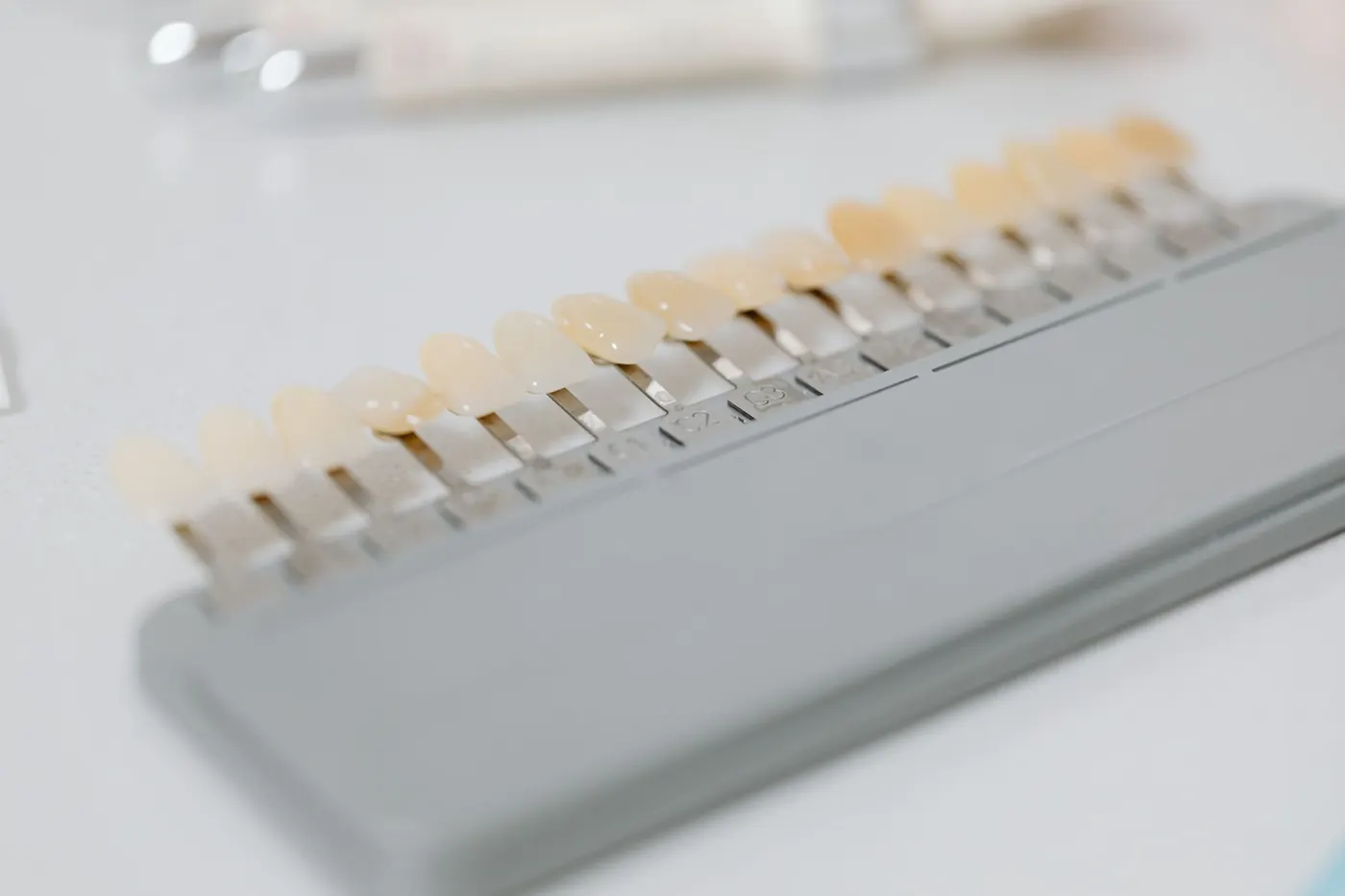
Many people hesitate because they have heard that porcelain crowns "damage teeth", while others hear "quick and beautiful" without knowing what they are trading off. This article gives you the plain facts so you can decide for yourself.
Are porcelain crowns really harmful?
The honest answer is that a porcelain crown is not harmful when the tooth is chosen correctly and the crown is made with proper technique. However, it is a one-way procedure: for the crown to fit around the tooth, the dentist must remove part of the natural tooth.
So the better question is not only "is it harmful" but also "does my tooth really need a crown".
What is removed from the natural tooth?
The dentist reduces a layer of enamel, sometimes part of the dentin as well, around the tooth to make room for the crown. Enamel that has been removed does not grow back. How much is removed depends on the condition and position of the tooth and the type of crown chosen.
- The tooth may feel sensitive for a few days to a few weeks after preparation, usually easing over time.
- The remaining natural tooth is smaller than before, so it relies on the crown for strength.
- If the tooth is damaged close to the nerve, root canal treatment may be needed first, and the dentist will explain this to you.
Common problems when the work is not done properly
Most problems come not from the porcelain itself but from case selection and technique:
- Crown not sealed at the margin: tiny gaps trap plaque and cause gum inflammation, bad breath and decay at the edge of the crown.
- Uneven bite: a crown that is too high or uneven can cause sensitivity, pain when chewing and jaw fatigue.
- Wrong case selection: placing a crown on a tooth with pulp inflammation, infection at the root tip or unstable gums often leads to pain and redoing the work.
- Poor care at the gum line: gums around a crown can become inflamed and bleed. You can read more about what bleeding gums mean.
How long does a crown last and how should you care for it?
There is no exact number that applies to everyone, because the lifespan depends on care, chewing habits, gum health and whether you grind your teeth. A few tips help a crown last longer:
- Brush carefully along the edge between the crown and the gum, and use floss or a water flosser every day.
- Avoid biting hard objects such as bones, ice or bottle caps.
- Have regular check-ups so the dentist can inspect the crown margin and gums.
- If you grind your teeth, ask your dentist about a night guard. See also is grinding your teeth at night harmful.
When to consider a crown and when to wait
A crown may be worth considering when a root-treated tooth is prone to cracking, when a tooth is badly broken, or when a large filling cannot hold for long. It is better not to rush when the tooth is healthy and you only want a nicer look, when you have gum inflammation or periodontal disease that has not been treated, or when heavy grinding is not yet under control.
In many cases a filling is also a suitable option. You can compare them in filling or porcelain crown.
About cost and insurance: cosmetic porcelain crowns are not covered by health insurance (BHYT). See which dental services health insurance does not cover and how to read a quotation in how much does a porcelain crown cost.
You are welcome to walk in during working hours at Ky Hoa Dental Clinic, 266A - 268 Duong 3 Thang 2, Hoa Hung Ward, Ho Chi Minh City, or call the hotline 028.3868.1097 to ask about quieter hours. The dentist will examine you, take an X-ray if needed and advise which teeth truly need a crown.
Frequently asked questions
Does a porcelain crown require grinding down the tooth?
In most cases the dentist has to remove a layer of enamel to make room for the crown. The amount depends on the tooth and the type of crown, and the dentist will explain after the examination.
Can a porcelain crown be removed and redone?
A crown can be replaced with a new one when needed, but the natural tooth that has been reduced cannot be restored. Each time, the dentist must check whether the supporting tooth is still strong enough.
Is tooth sensitivity normal after getting a crown?
Some people feel mild sensitivity for a few days to a few weeks after tooth preparation, and it usually fades. If it lasts or pain appears on its own, please come back for a check soon.
Does health insurance cover porcelain crowns?
Cosmetic porcelain crowns are not covered by BHYT. Health insurance applies only to treatment of dental diseases with an indication under the regulations.