
A swollen cheek together with a toothache is often a sign of infection at the root of the tooth, called a dental abscess. This article helps you recognise it early, know what to do and what to avoid, and when to seek care immediately.
- A swollen cheek together with a toothache is often a sign of a dental abscess, an infection at the root of the tooth, and needs early examination by a dentist.
- At home, only rinse with warm salt water and apply a cold pack on the outside for a short time; do not squeeze pus, apply heat or use folk remedies.
- Swelling that spreads down the neck or around the eye, trouble swallowing or breathing, difficulty opening the mouth or a high fever means you should go to a medical facility immediately.
- Depending on the situation, the dentist may perform root canal treatment to keep the tooth or extract it when it cannot be saved.
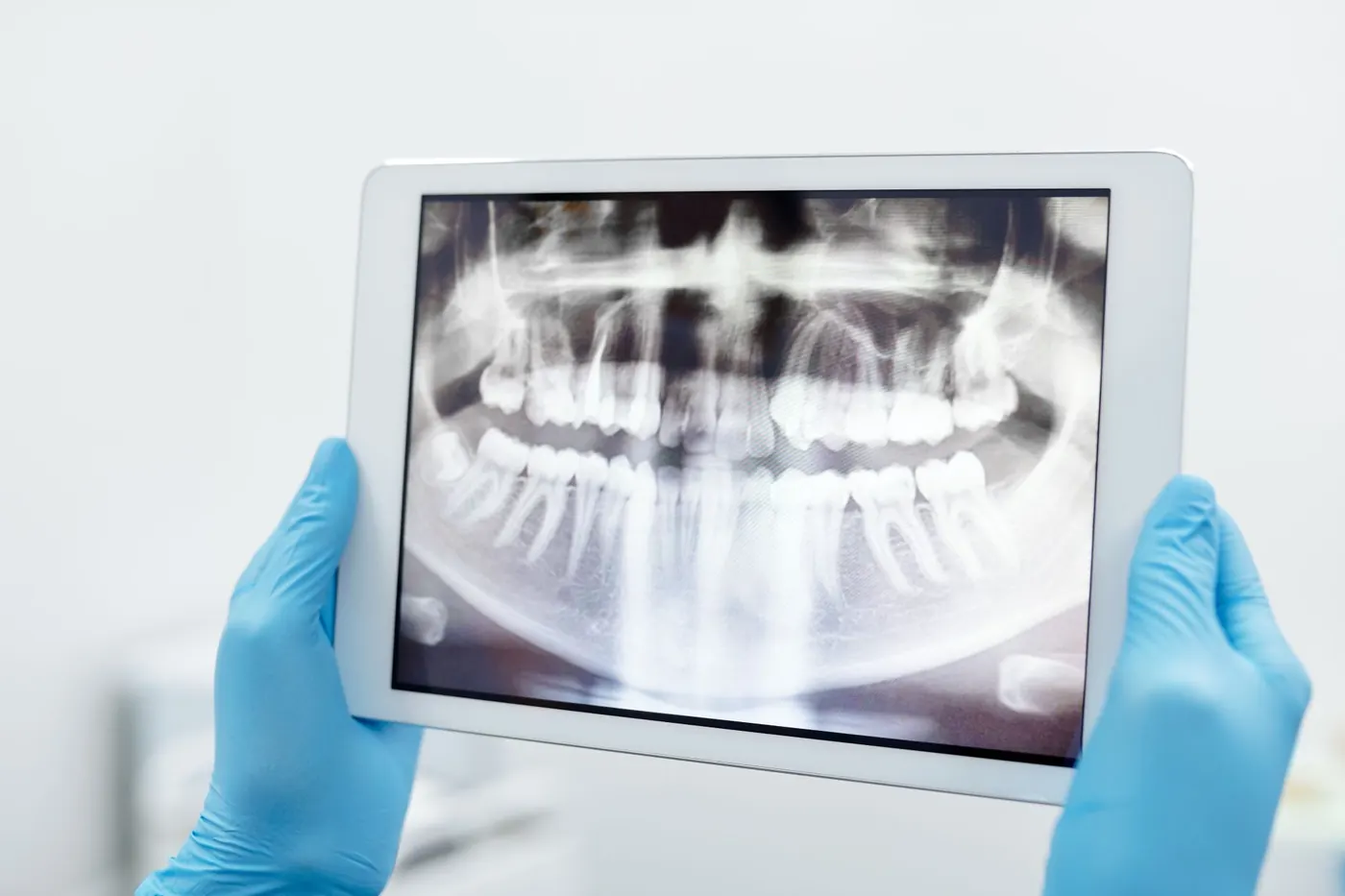
You wake up with one cheek swollen, it hurts to touch and you cannot chew. Many people first think it is just "too much heat in the body" and wait for it to pass. In fact, when a swollen cheek comes with a painful tooth, it is often a sign of a dental abscess and needs to be examined by a dentist early.
Is a swollen cheek from a tooth a dental abscess?
In most cases, yes. A dental abscess is a pocket of pus that forms around the root of a tooth or in the gum because of bacteria. As the infection grows, it pushes into the soft tissue outside and makes the cheek, lip or area under the jaw swell. The swelling can appear within a day or two.
However, only a dentist can confirm after an examination and an X-ray. Other conditions can also cause a swollen cheek without involving a tooth, so please do not decide on your own.
Common signs
- Severe throbbing tooth pain, pain that starts on its own or gets worse at night or when lying down.
- Swelling of the cheek, lip or area under the jaw that hurts when pressed, with warm and tight skin.
- Red, swollen gums around the tooth, sometimes with a small bump containing pus.
- Pain when biting, and the tooth feels slightly raised.
- A bad or salty taste in the mouth, difficulty opening the mouth, sometimes with a fever.
Why can one tooth swell the whole cheek?
The cause usually starts with a problem in the tooth that has not been treated:
- Deep decay that has reached the pulp: bacteria travel down to the root and cause infection. You can read more in how to tell if decay has reached the pulp.
- Periodontal disease: deep gum pockets easily collect pus. See also what long-term periodontal disease does.
- Tilted wisdom teeth with gum flaps: food trapped under the gum causes inflammation and sometimes an abscess. See also what to do about a gum flap over a wisdom tooth.
- A cracked, broken or injured tooth lets bacteria get inside.
What can you do at home and what should you avoid?
The steps below only give temporary comfort and do not replace seeing a dentist:
- Rinse gently with warm salt water and keep your mouth clean.
- You may apply a cold pack on the outside of the cheek for a short time to ease the tightness and pain.
- Eat soft, cool food and chew on the side without pain.
You should not lance or squeeze the pus yourself, apply heat to the swelling, put leaves or folk remedies on the cheek, take medicine on your own for a long time or simply wait for it to go away. These can spread the infection, hide the symptoms and make treatment harder.
When to seek care immediately and how Ky Hoa can help
Go to a medical facility immediately, including an emergency department, if the swelling spreads quickly down the neck or around the eye, if you have trouble swallowing or breathing, if you can barely open your mouth, or if you have a high fever or feel very weak. These are signs that the infection is spreading and you should not wait.
If your cheek is swollen and painful but none of the severe signs above are present, you should still be examined within a day or two. At Ky Hoa Dental Clinic, the dentist will examine you and take an X-ray when needed to find the tooth responsible. Depending on the situation, the dentist will advise on treating the infection, root canal treatment to keep the tooth, or extraction when the tooth cannot be saved.
On insurance, treatment of dental disease with an indication may be covered by health insurance (BHYT) under the regulations. See the BHYT page and is tooth extraction covered by BHYT.
You are welcome to walk in during working hours at Ky Hoa Dental Clinic, 266A - 268 Duong 3 Thang 2, Hoa Hung Ward, Ho Chi Minh City, or call the hotline 028.3868.1097 to ask about quieter hours. If the pain is still mild, you can also read what to do about a toothache for first steps.
Frequently asked questions
Can a swollen cheek from a tooth go away on its own?
The pain or swelling may ease for a while, but the cause at the root of the tooth is still there, so it often returns and gets worse. You should see a dentist to find and treat the tooth responsible.
Does a swollen cheek from a tooth need emergency care?
If the swelling spreads down the neck or around the eye, or you have trouble swallowing or breathing, can barely open your mouth or have a high fever, go to a medical facility immediately. If the swelling and pain are moderate, see a dentist within a day or two.
Should you apply heat to a swollen cheek from a tooth?
No. Heat can make the infection spread faster. Only apply a cold pack on the outside of the cheek for a short time to ease the tightness while waiting to see a dentist.
Does a dental abscess always mean the tooth must be pulled?
Not always. If the tooth can be saved, the dentist may perform root canal treatment and then restore it. Only a tooth that is too damaged to keep needs to be extracted, after an examination and X-ray.