
Periodontal disease is an infection and inflammation of the tissues that support your teeth, and it often starts quietly with a few episodes of bleeding gums. The earlier it is found, the simpler the treatment.
- Periodontal disease is an infection of the gums, ligament and bone around the teeth, and it often starts quietly with little pain.
- Gingivitis in the early stage can recover completely, while periodontitis that has reached the bone needs treatment and long-term follow-up.
- The main cause is plaque and tartar, and smoking and diabetes make the disease more likely and more severe.
- Gum bleeding that lasts, bad breath that does not go away or loose teeth are signs that call for an early visit.
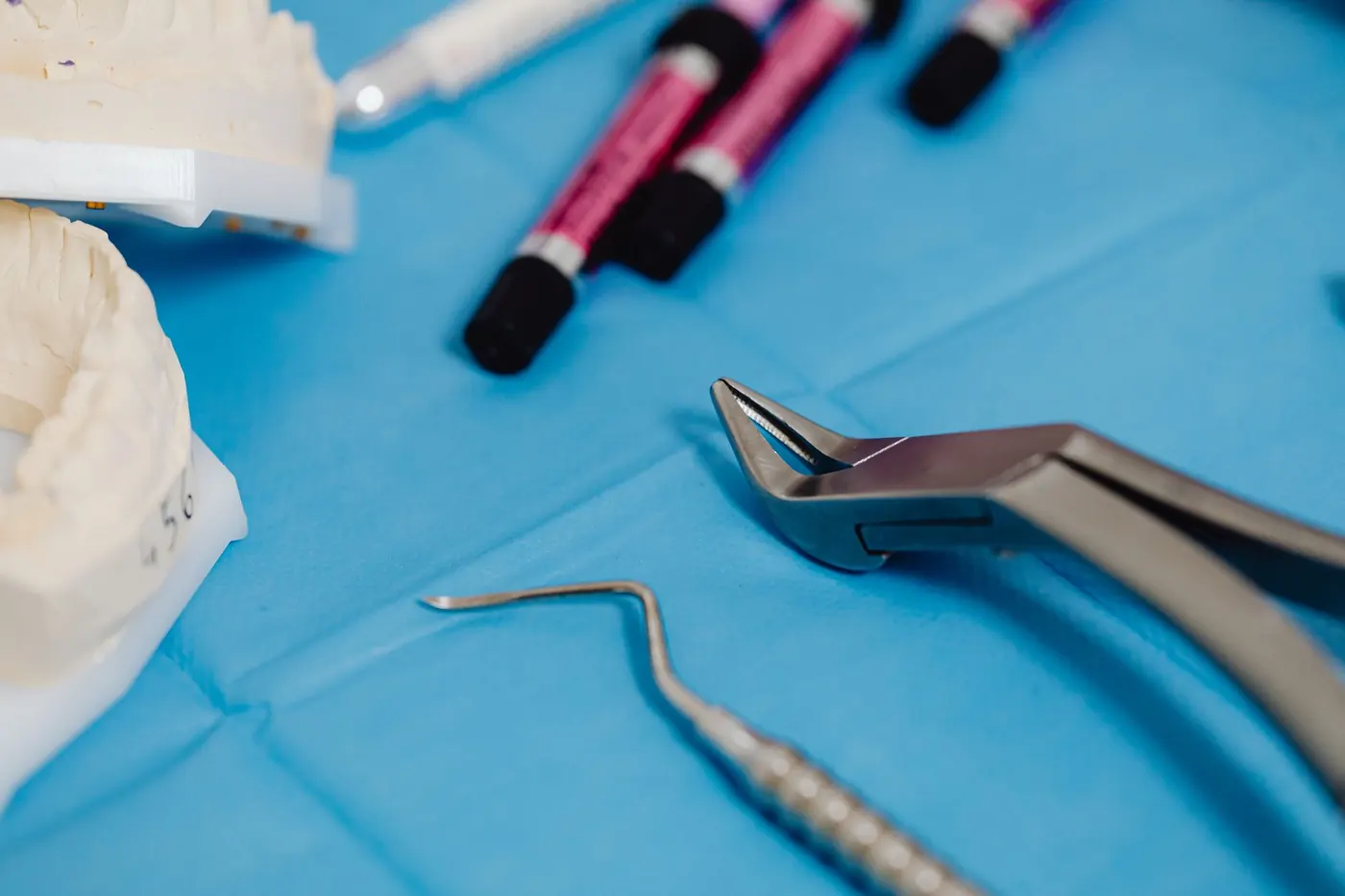
Many people notice bleeding when brushing and assume it is just "heat in the body", then leave it alone. This article helps you recognise periodontal disease early and know when to see a dentist.
What is periodontal disease?
"Periodontal" means the tissues around the tooth. A tooth cannot stand on its own. It is held firmly by the surrounding gums, the periodontal ligament and the jawbone beneath. When bacteria cause inflammation in these structures, it is called periodontal disease.
The disease has two main stages:
- Gingivitis (early stage): inflammation is limited to the gums. Gums are red, swollen and bleed easily. This stage can recover completely with proper cleaning.
- Periodontitis (advanced stage): inflammation spreads to the ligament and the bone around the tooth. The gum pulls away from the tooth root and forms a "periodontal pocket" that holds bacteria. Bone that has been lost does not grow back as before, but the disease can still be kept under control so it does not progress further.
Signs and causes of periodontal disease
You should see a dentist early if you notice any of the following:
- Gums bleed when brushing, flossing or biting into food.
- Gums are red, swollen, shiny, and sometimes sore or uncomfortable when pressed.
- Bad breath that lasts and does not go away after brushing.
- Gums recede and teeth look "longer" than before.
- Gaps between teeth widen and food often gets stuck.
- Pus at the tooth root, or an unpleasant taste in the mouth.
- Loose teeth, or a bite that no longer feels firm.
Keep in mind that early periodontal disease is usually painless, so no pain does not mean no disease. The article What does bleeding gums mean? looks at this symptom in more detail.
The main cause is bacterial plaque. After each meal, a sticky film containing bacteria builds up on the teeth. If it is not cleaned off, this film hardens into tartar (calculus). Tartar sticks firmly, cannot be removed by brushing, and keeps irritating the gums. Several factors make the disease more likely or more severe:
- Poor oral hygiene: brushing in a hurry and not cleaning between the teeth.
- Smoking: gums heal more slowly and the disease is harder to treat.
- Diabetes: high blood sugar makes it harder for the body to fight infection. The two conditions affect each other, see Diabetes and periodontitis.
- Older age and dry mouth: some blood pressure medicines cause dry mouth, so plaque builds up more easily, see Dry mouth from blood pressure medicine.
- Hormonal changes such as pregnancy, and individual susceptibility: some people get gum inflammation more easily than others even with the same care.
- Teeth grinding, crooked teeth, and fillings or dentures that do not fit well: they trap food and put extra load on the teeth.
How serious is periodontal disease and how is it diagnosed?
Without treatment, the disease progresses slowly but steadily:
- The bone around the tooth is gradually lost, and the tooth loses its hold and becomes loose.
- A periodontal abscess (a pocket of pus in the gum) may appear, causing swelling and pain.
- In the end the tooth may fall out or need to be removed. Long-term tooth loss also leads to jawbone loss, see Long-term tooth loss and jawbone loss.
Studies also note a link between severe periodontitis and some general conditions such as diabetes and heart disease. This is an association, not a conclusion that one directly causes the other. Even so, keeping the gums healthy is worthwhile, especially for people with underlying conditions. You can read more in How does long-standing gum disease affect your teeth?.
To diagnose it, the dentist examines the gums and teeth and asks about underlying conditions, current medicines and habits such as smoking. Common steps include measuring periodontal pocket depth with a small probe (the deeper the pocket, the more severe the disease usually is), taking an X-ray to see how much bone has been lost (see Are dental X-rays harmful?) and checking tooth mobility and the bite. From there the dentist decides what stage the disease is at and chooses a suitable treatment.
How is periodontal disease treated?
The goal of treatment is to remove the source of bacteria, calm the inflammation and stop the disease from progressing. Depending on severity, the dentist may choose:
- Gingivitis and mild periodontitis: removing tartar, thorough cleaning and guidance on home care. If you worry that scaling wears down enamel, see Does scaling wear down tooth enamel?. The clinic's service is on the Scaling page.
- Moderate to severe periodontitis: besides removing tartar, the dentist cleans deeper below the gum line and on the root surface, and may prescribe medicine as indicated. Some cases need a minor procedure on the gum.
- Very loose teeth that cannot be saved: the dentist will advise on extraction and replacement. The article Loose tooth: keep or extract? explains how dentists weigh this.
Periodontal disease does not go away on its own and mouthwash alone does not cure it. To learn whether it can be treated, see Can periodontitis be treated?. After treatment, you need regular check-ups and scaling as scheduled by your dentist to prevent relapse. For costs, see the price list or read Is scaling covered by health insurance? so you know in advance.
How to prevent it, and when to see a dentist
Most periodontal disease can be prevented with simple habits:
- Brush at least twice a day, about 2 minutes each time, with a soft-bristled toothbrush.
- Clean between your teeth every day with floss or interdental brushes, because a toothbrush usually cannot reach all the gaps.
- Have tartar removed regularly, about every 6 months, or as scheduled by your dentist if you have had periodontal disease before.
- Quit smoking or cut down as much as possible.
- Keep underlying conditions under control, especially blood sugar if you have diabetes.
- See a dentist early when your gums bleed, rather than waiting until teeth become loose.
You should come in if gum bleeding lasts more than 1 to 2 weeks, bad breath does not go away, gums are swollen, sore or receding, or teeth begin to loosen. The earlier you come, the simpler the treatment and the better the chance of keeping your natural teeth.
Ky Hoa Dental Clinic (266A - 268, 3 Thang 2 Street, Hoa Hung Ward, Ho Chi Minh City) provides dental examination and advice, including visits with health insurance for conditions that have an indication covered by the insurance. See the conditions on the Dental care with health insurance page, call the hotline 028.3868.1097 to ask about quieter hours first, or come in directly during working hours.
The information in this article is for reference only and does not replace an in-person examination. Everyone's oral condition is different, so please have a dentist examine you and advise you specifically.
Frequently asked questions
Do bleeding gums mean periodontal disease?
Not always, but bleeding is the most common sign of gingivitis and periodontitis. If it keeps coming back, you should see a dentist.
Does periodontitis go away on its own?
No. Tartar does not disappear by itself, so the inflammation continues unless the teeth are cleaned and treated.
What is the difference between gingivitis and periodontitis?
Gingivitis affects only the gums and can recover completely. Periodontitis has spread to the bone and ligament, so it needs treatment and long-term follow-up.
Can a loose tooth still be saved?
It depends on how loose the tooth is and how much bone remains. A dentist needs to examine you and take an X-ray to answer accurately.